Singapore Cools 8,000 Homes with Underground Water Pipes
Singapore is fighting rising heat without air conditioners by pumping chilled water through underground pipes to cool entire neighborhoods. The 140-year-old technology uses less electricity and could double across the city in the next decade.
Deep beneath Singapore's streets, a quiet revolution is happening that could change how tropical cities stay cool.
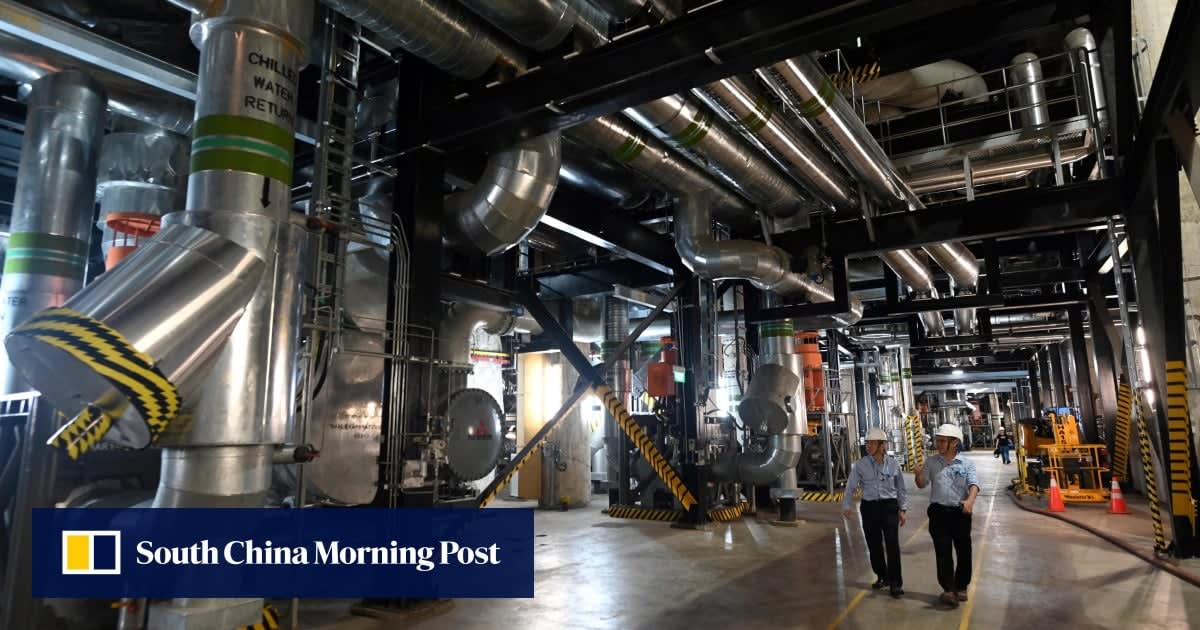
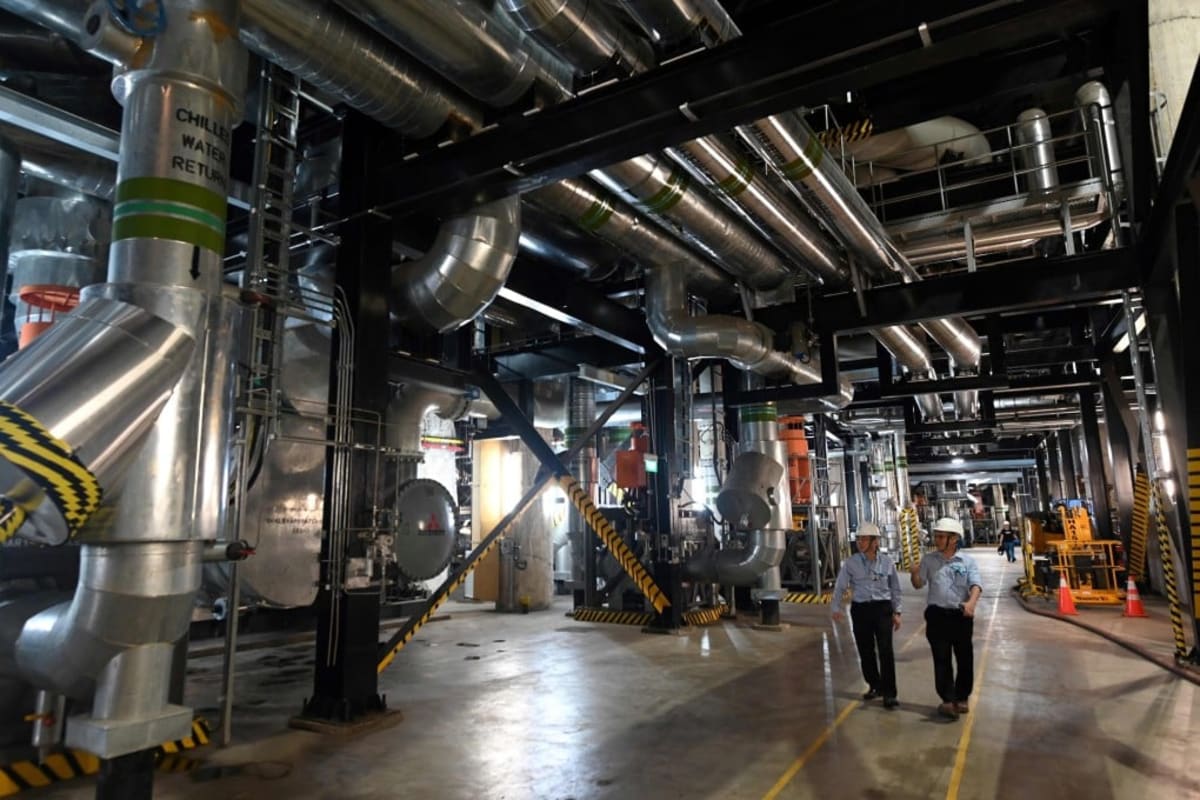
A 5km network of pipes is pumping chilled water through the Punggol district, cooling 8,000 homes, offices, and classrooms without a single traditional air conditioner. The system, called district cooling, uses far less electricity than conventional AC units while keeping buildings just as comfortable.
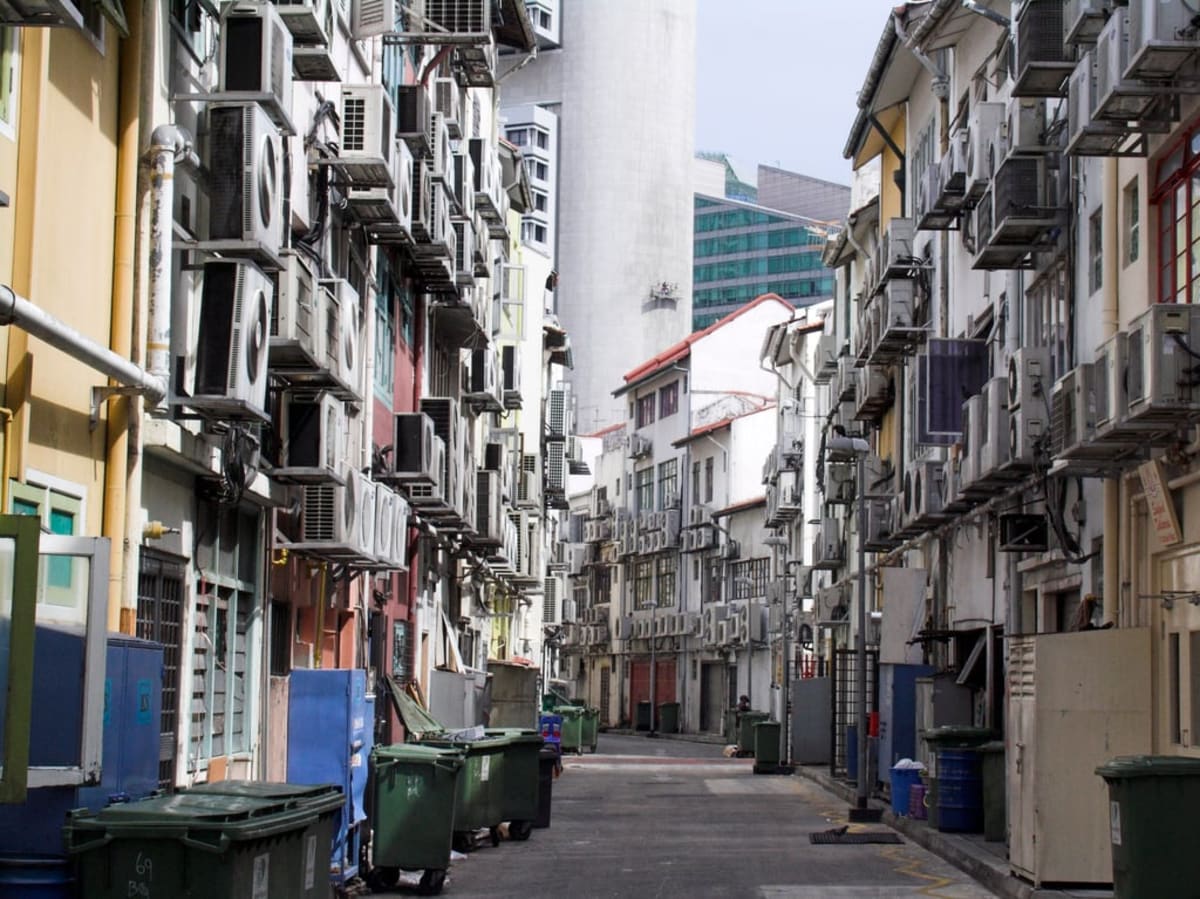
For Singapore, this matters more than most places. Temperatures in the island nation are rising twice as fast as the global average. The country imports nearly all its energy and has one of the highest rates of air conditioner use per person in Asia-Pacific.
The technology itself isn't new. District cooling has been around for 140 years. But Singapore is showing the world how to make it work in hot, humid conditions at scale.
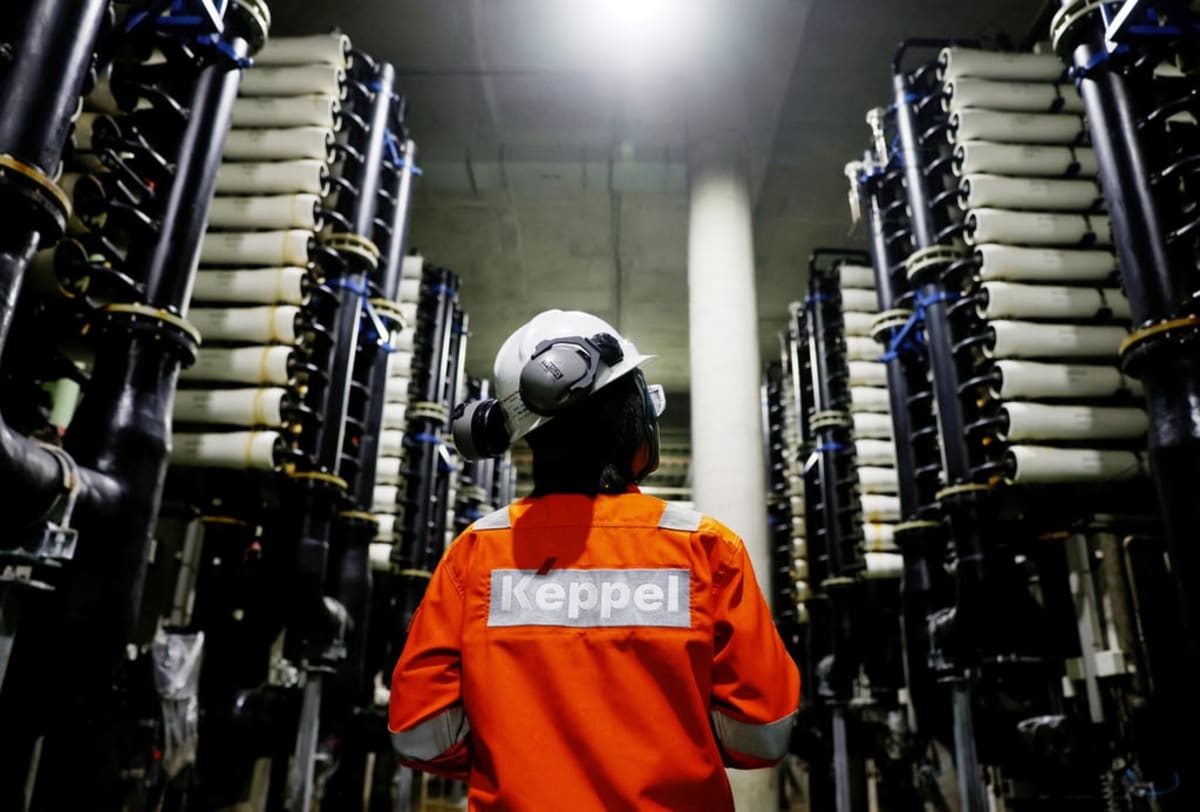
Marina Bay already operates the world's largest underground cooling system, launched in 2006. Now at least eight neighborhoods have their own networks, with companies like Keppel EaaS and Engie rolling out more across the city.
The timing couldn't be better. Energy costs are soaring due to global conflicts, and scientists predict an exceptionally hot summer ahead. District cooling offers a practical answer to both challenges at once.
The Ripple Effect
Singapore's success is inspiring other tropical cities to rethink cooling. The technology is taking off worldwide, especially in the Middle East, and experts project the global market will grow to $60 billion by 2034.
"Cooling demand is rising with urbanization, income growth, heat stress and commercial floor-area expansion across Southeast Asia," said Lee Poh Seng, professor at the National University of Singapore. The city state can show others how district cooling systems "credibly deliver energy, water, carbon, comfort, reliability and economic performance under hot and humid conditions."
The local market could double over the next decade from 323,000 refrigeration tons today, according to Engie, one of the world's largest operators of district cooling facilities.
What started as one neighborhood's experiment is becoming a blueprint for keeping tropical cities livable as the planet warms.
More Images
Based on reporting by South China Morning Post
This story was written by BrightWire based on verified news reports.
Spread the positivity!
Share this good news with someone who needs it