Singapore Creates Ultra-Thin Solar Cell at 19.7% Efficiency
Researchers at the National University of Singapore built a paper-thin solar cell that's flexible enough to bend and efficient enough to power everything from wearable devices to drones. The breakthrough could bring clean energy to places traditional panels can't reach.
Scientists just made solar panels thin enough to wear on your sleeve without sacrificing serious power output.
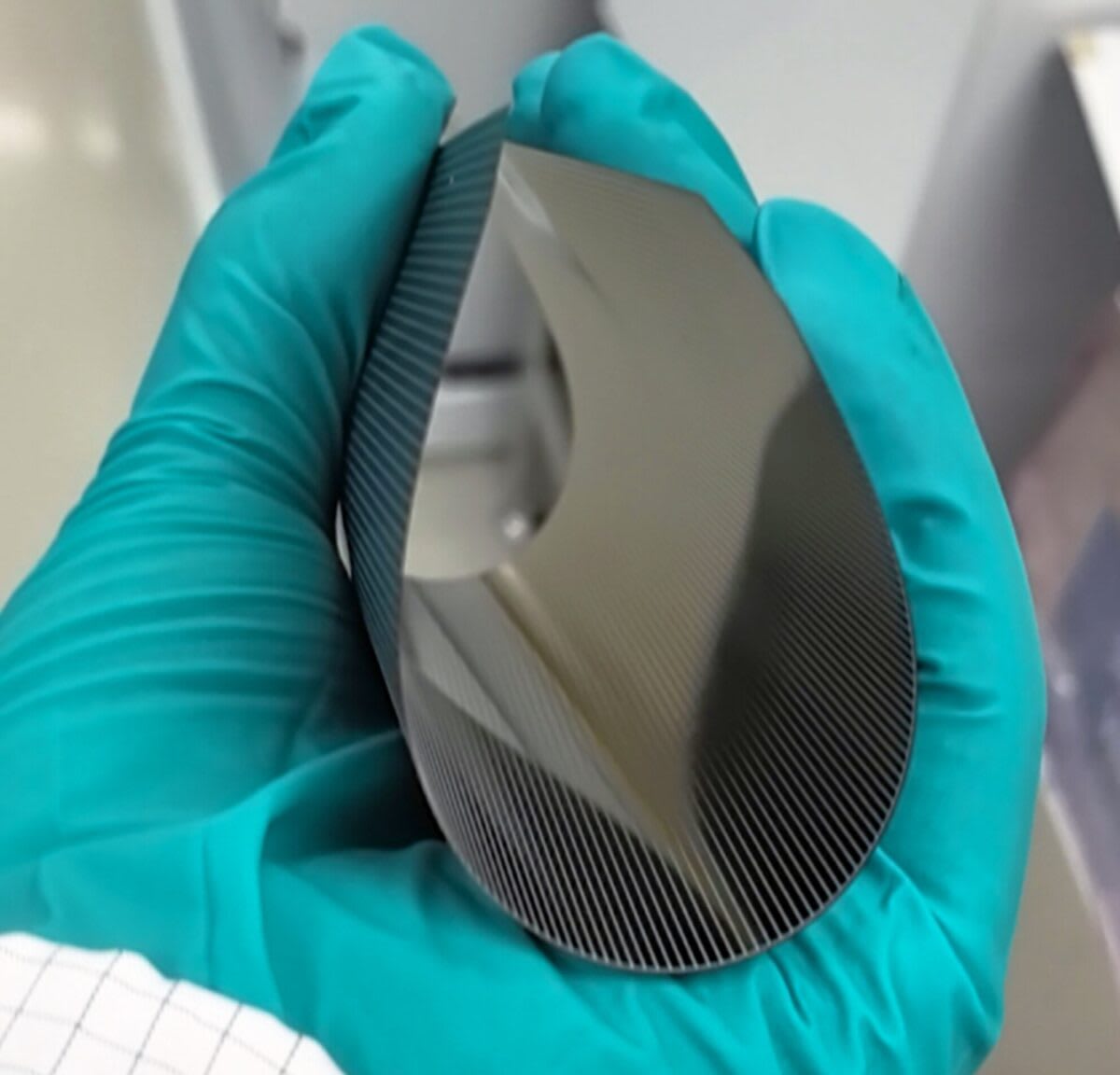
A team at the National University of Singapore developed an ultra-thin solar cell measuring just 80 micrometers thick—about the width of a human hair—while achieving 19.7% efficiency. That's impressive for a device so delicate it can flex and curve around surfaces.
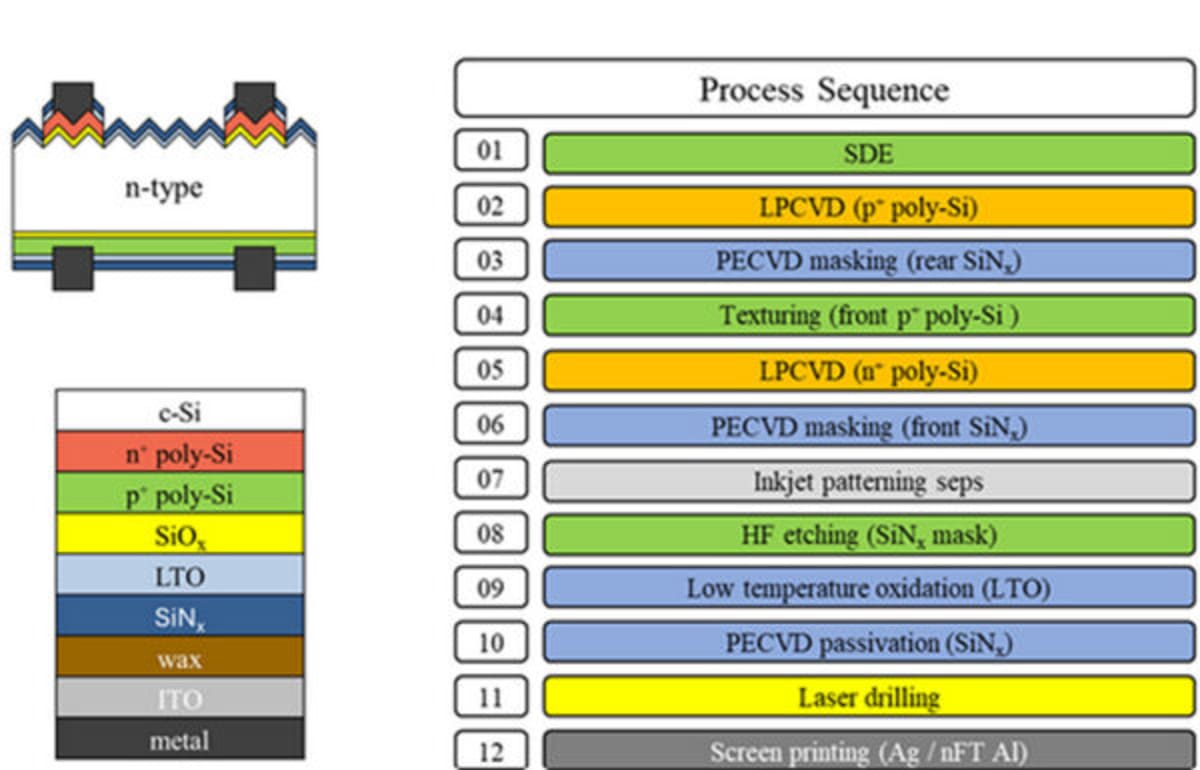
The breakthrough centers on what researchers call a "biPoly" design, which uses special silicon layers on both sides of the cell to capture more sunlight and reduce energy loss. Lead researcher Aaron Danner explains the cells work especially well in low-light conditions, opening up applications beyond rooftop panels.
"Due to its simple structure and good low-light performance, the cell is suitable for building-integrated photovoltaics, indoor energy harvesting, wearable electronics, portable power supplies and solar quadcopters," Danner told PV Magazine.
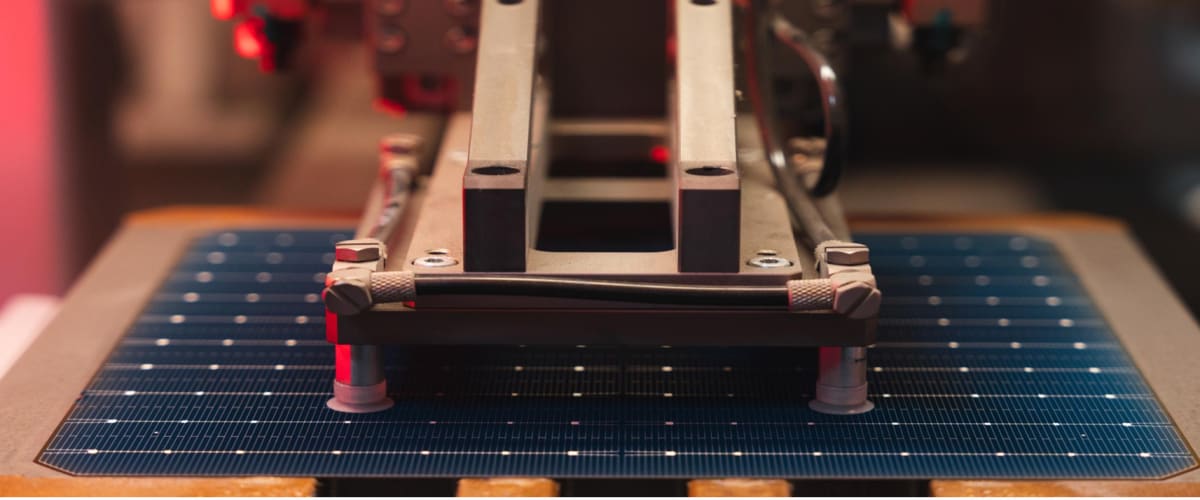
The team started with standard silicon wafers and thinned them down using a stress-driven etching process. They then carefully layered silicon coatings and added light-trapping structures that help the cells absorb more photons despite their minimal thickness.
The resulting champion device achieved an open-circuit voltage of 719 millivolts and maintained over 83% fill factor. More importantly, the cells showed noticeable mechanical flexibility, meaning they could wrap around curved surfaces in spacecraft, clothing, or other non-flat applications.
The Ripple Effect
This technology could transform where and how we generate solar power. Buildings could integrate these flexible cells into windows, facades, and curved architectural features without adding weight or bulk. Wearable tech could charge itself throughout the day, eliminating battery anxiety for fitness trackers and medical devices.
Danner emphasizes the manufacturing approach uses fully silicon-compatible processes with no exotic materials or complex procedures. That means production costs should remain comparable to conventional solar cells, making mass production economically feasible.
The cells performed particularly well in indoor and low-light environments, potentially powering Internet of Things sensors and devices that currently rely on disposable batteries. Imagine office buildings where every surface generates power, or hiking gear that charges your phone as you walk.
The technology remains in the lab-scale research stage, and the team acknowledges more work is needed on large-area fabrication, long-term stability testing, and flexible packaging before commercial production. They're also refining contact resistivity and thermal stability to ensure the cells can withstand repeated bending and environmental stress.
Still, the research demonstrates that ultra-thin solar cells can deliver serious efficiency without sacrificing flexibility or requiring expensive materials. The team's quantitative evaluation of surface quality, optical engineering, and mechanical stability provides a roadmap for future improvements.
Clean energy just got lighter, thinner, and ready to go places traditional panels never could.
More Images
Based on reporting by PV Magazine
This story was written by BrightWire based on verified news reports.
Spread the positivity!
Share this good news with someone who needs it