Singapore Deploys Underwater Drones to Protect Vital Trade Route
The Singapore Navy just launched autonomous underwater drones that can detect hidden mines in one of the world's busiest shipping lanes. This cutting-edge technology protects 150,000 ships each year while keeping human crews safer than ever before.
The Singapore Navy is now using smart underwater robots to protect one of the planet's most critical shipping routes, keeping global trade flowing safely and reducing risk for sailors.
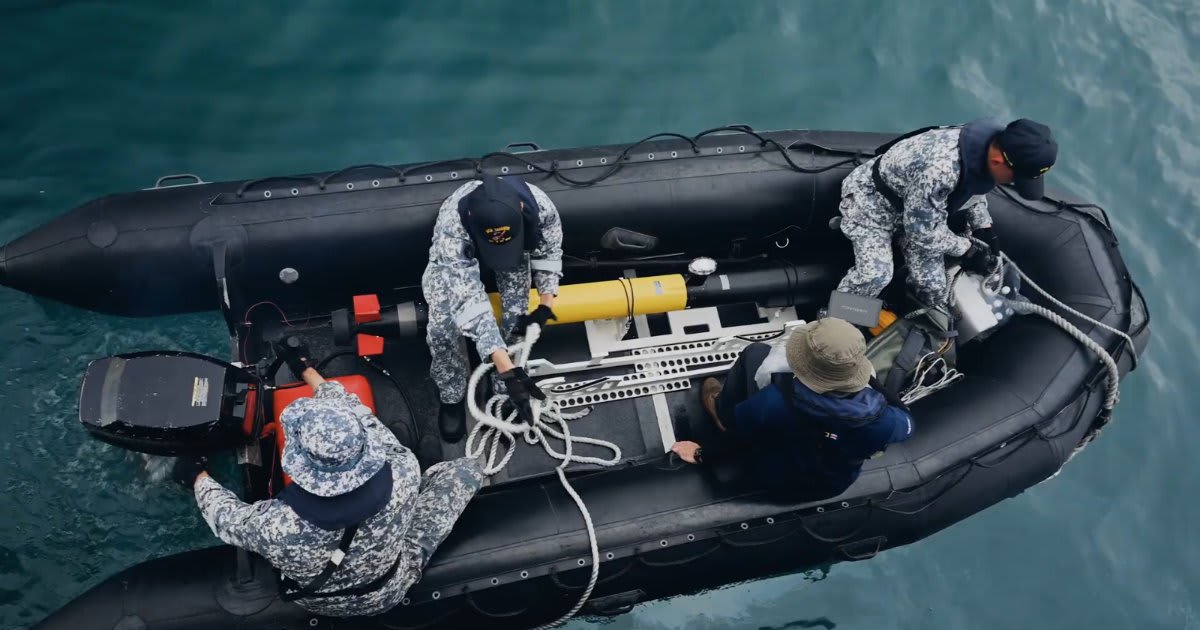
The Republic of Singapore Navy deployed several COMET-MCM autonomous underwater vehicles in the Singapore Strait, where nearly 150,000 ships pass through annually. That's three times more traffic than the Strait of Hormuz, making this waterway absolutely essential to international commerce.
These sophisticated drones hunt for underwater mines with remarkable precision. Equipped with high-resolution sonar, each vehicle operates independently for over 12 hours, mapping vast seafloor areas and identifying suspicious objects that could threaten ships or crews.
The technology transforms how mine detection works. Previously, sailors had to enter dangerous zones to search for threats manually. Now, operators program the drones before launch, and the vehicles handle the risky reconnaissance work themselves while transmitting real-time data back to the surface.
French company RTsys Underwater Technologies developed the system in partnership with Singapore's Defence Science and Technology Agency. When the COMET-MCM detects something unusual, teams can confirm findings using remotely operated systems or specialized handheld sonar, keeping divers at a safe distance until absolutely necessary.
The drones integrate seamlessly into Singapore's broader mine countermeasures strategy. Data from the autonomous vehicles combines with information from ship-mounted sonar, creating a comprehensive picture that guides every phase of operations: detection, classification, identification, and neutralization.
The Ripple Effect
Protecting the Singapore Strait means protecting global trade itself. Any disruption from underwater threats could ripple across the entire Asia-Pacific economy, affecting millions of people who depend on goods that travel this route.
The technology represents more than a decade of collaboration between navies worldwide and underwater robotics experts. Manufacturing happens at RTsys's factory in Brittany, France, where extensive testing confirmed the system's ability to perform under real operational conditions.
This deployment showcases how innovation makes dangerous jobs safer while improving results. Crews can now identify threats faster and more accurately without putting themselves in harm's way, proving that technological progress and human safety can advance together.
The Singapore Navy emphasized what this means for everyone who depends on safe seas: greater precision, better efficiency, and protected crews watching over a vital artery of global commerce.
Based on reporting by Google News - Singapore Technology
This story was written by BrightWire based on verified news reports.
Spread the positivity!
Share this good news with someone who needs it