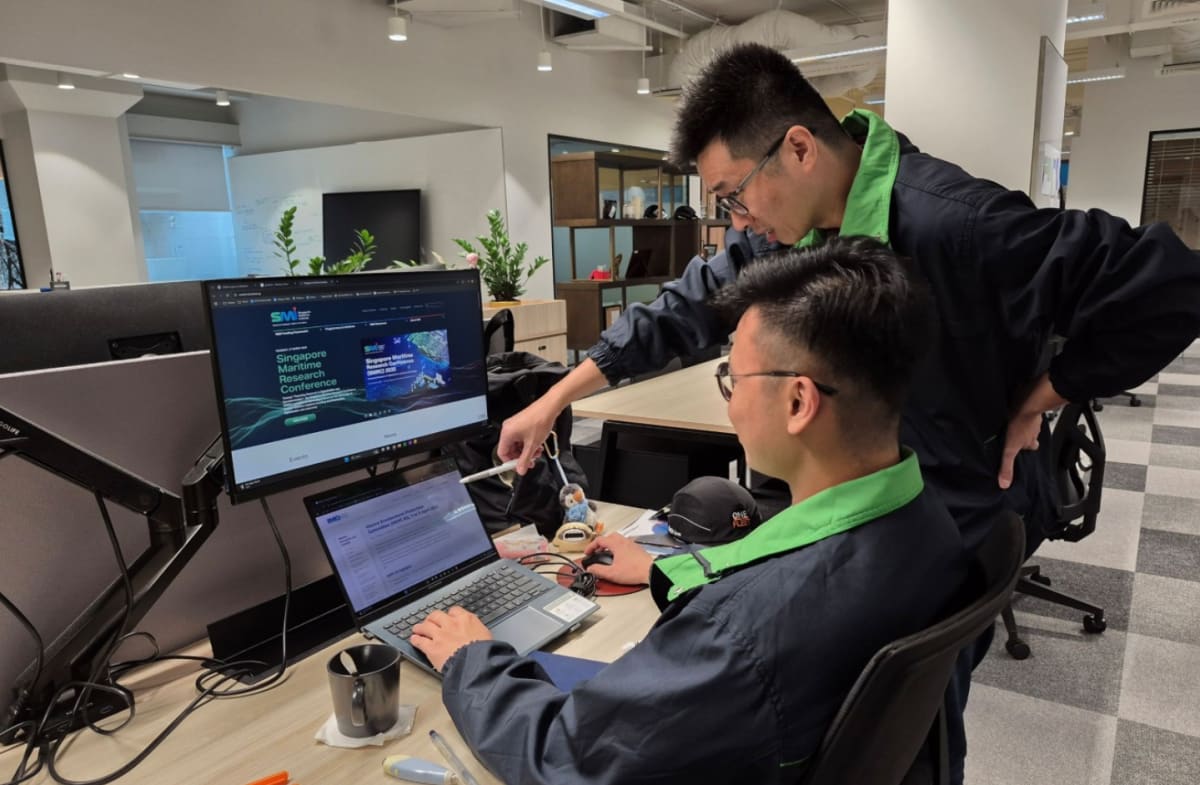
Singapore Invests $100M in Green Maritime Technology
Singapore is putting $100 million into turning maritime research into real world solutions that can reduce emissions and increase port efficiency. The five year plan focuses on getting innovative technologies out of labs and into daily operations at one of the world's busiest ports.
Singapore is betting big that the next generation of shipping technology can be both cleaner and more efficient, and it's putting $100 million behind that vision.
The island nation announced a five year investment to accelerate maritime innovation, focusing on four key areas: autonomous port operations, alternative energy delivery, smart ships, and integrated digital port services. Unlike previous research programs, this one emphasizes deployment over theory.
The shift matters because maritime research has historically struggled with a common problem. Universities develop promising technologies that never make it past controlled trials, while port operators need solutions they can implement safely around active cargo operations and tight vessel schedules.
Yee Wei Loh, Assistant Director at the Singapore Maritime Institute, says his team works to bridge that gap by connecting researchers with shipping companies from day one. Project partners now define the operational problem, expected outcome, and commercial application before any development begins.
"Successful collaboration requires more than just funding," Loh explained. "It demands a shared vision and a commitment to co creating solutions that are both academically rigorous and commercially viable."
The approach addresses real constraints Singapore faces: limited space, manpower shortages, and the urgent need to decarbonize shipping operations. Industry partners contribute operational knowledge and participate in trials, helping ensure technologies work in real world conditions before full scale adoption.
Singapore has already invested over $500 million in maritime research over the past two decades. This latest program sharpens that focus, prioritizing projects with clear paths to commercial use.
The Ripple Effect
The initiative comes at a critical time for global shipping, which accounts for nearly 3% of worldwide carbon emissions. Technologies developed in Singapore's port, one of the world's busiest, could scale to shipping operations globally.
In March 2025, over 200 participants gathered for Singapore's first Maritime Research Conference to discuss cybersecurity, autonomous vessels, and decarbonization pathways. The winning poster project examined fire resistant battery design for electric harbor craft, tackling safety challenges that come with maritime electrification.
The program also supports workforce development, preparing engineers, seafarers, and terminal personnel to operate increasingly automated and interconnected systems. As alternative fuels like hydrogen and ammonia move from concept to reality, Singapore aims to lead in both the technology and the talent needed to deploy it safely.
For cargo owners and shipping companies watching from afar, Singapore's model offers a potential blueprint: marry academic research with industry needs early, test in real operational conditions, and measure success by commercial adoption rather than publications. The global maritime industry is watching to see if research dollars can finally translate into measurable progress on efficiency and emissions.
More Images


Based on reporting by Google News - Singapore Technology
This story was written by BrightWire based on verified news reports.
Spread the positivity!
Share this good news with someone who needs it