Singapore Launches 150 Robotaxis With Chinese Tech Leaders
Singapore is bringing driverless taxis to its streets, partnering with Chinese autonomous vehicle companies to deploy up to 150 robotaxis by year's end. The city state is joining Beijing, San Francisco, and other cities already embracing the future of transportation.
In a quiet northern Singapore neighborhood, cars cruise the streets without drivers touching the wheel or pedals, offering a glimpse of transportation's future arriving right now.
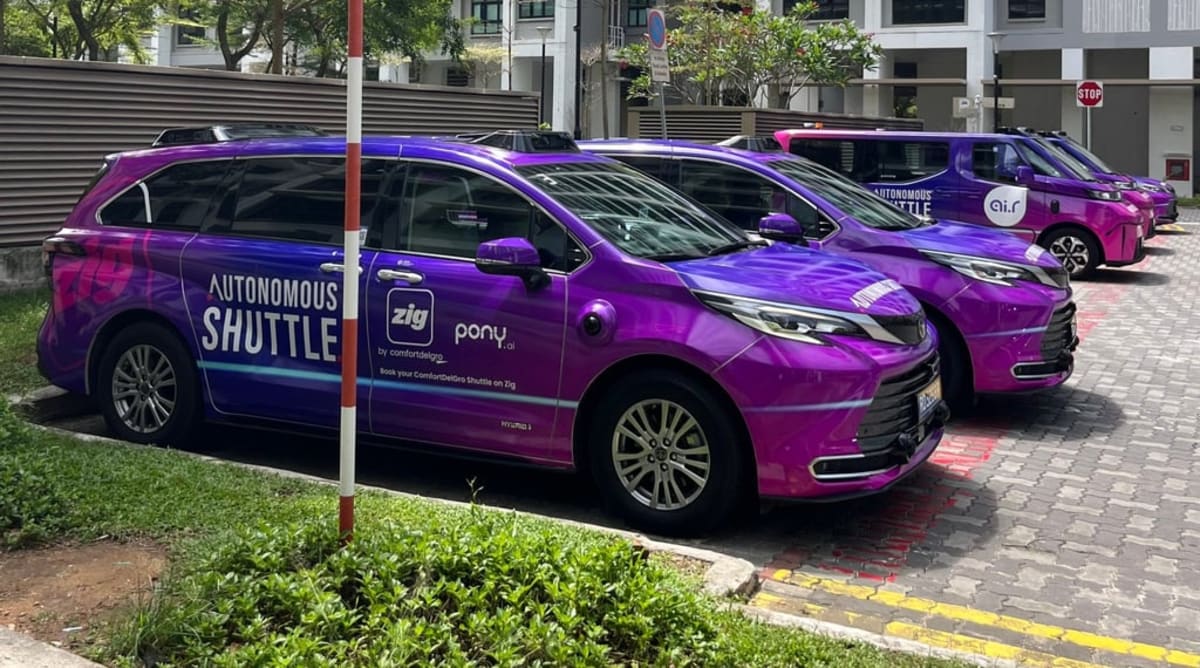
Singapore is rolling out robotaxis to the public, aiming to have 100 to 150 autonomous vehicles on its roads by the end of 2026. The city state is partnering with Chinese industry leaders WeRide and Pony.ai, who are working with major ride-hailing companies Grab and ComfortDelGro to launch shuttle taxi services in Punggol.
Right now, safety officers sit in the driver's seat ready to take over if needed. But soon, these vehicles will operate completely driverless, just like the autonomous taxis already serving passengers in Beijing, Shenzhen, San Francisco, and Los Angeles.
The technology represents a major step forward for Singapore's transport system. Acting transport minister Jeffrey Siow announced the initiative last September, signaling the country's commitment to joining the autonomous vehicle revolution.
Chinese companies are leading the global race in autonomous vehicle technology, and they're eager to prove their systems work reliably in international markets. While most of these companies are still in startup phase and rely on investment funding, their technology is already advanced enough to navigate real streets with real passengers.
The Ripple Effect
Singapore's embrace of robotaxis could accelerate autonomous vehicle adoption across Southeast Asia and beyond. When a major global city successfully deploys driverless technology, it builds public confidence and shows other governments that the future of transportation is both safe and practical.
The partnership also demonstrates how international collaboration can speed up innovation. By combining Singapore's world-class infrastructure and regulatory framework with Chinese technological expertise, both sides are creating a model that other countries can follow.
For everyday people, this means transportation could soon become more accessible and affordable. Robotaxis can operate around the clock without breaks, potentially reducing wait times and costs while providing mobility options for those who can't drive themselves.
The streets of Punggol are becoming a real-world testing ground for technology that seemed like science fiction just years ago, proving that the future arrives faster than we think.
More Images

Based on reporting by South China Morning Post
This story was written by BrightWire based on verified news reports.
Spread the positivity!
Share this good news with someone who needs it