Singapore Launches First Nursing-Informatics Dual Degree
The National University of Singapore is preparing nurses to lead in the AI era with the nation's first combined Bachelor's and Master's degree in nursing and digital health. The accelerated program gets graduates into the workforce faster, equipped to design and manage the healthcare technology of tomorrow.
Nurses in Singapore will soon be able to combine clinical care with cutting-edge technology expertise, thanks to a groundbreaking new degree program launching this August.
The National University of Singapore's Yong Loo Lin School of Medicine has introduced the country's first integrated nursing and informatics degree. Students can now earn both a Bachelor's in Nursing and a Master's in Biomedical Informatics in just 4.5 years instead of the typical six or more years required to pursue these degrees separately.
The timing couldn't be better. As artificial intelligence and digital health records transform hospitals across Singapore, nurses need more than bedside skills. They're increasingly called on to help design clinical software, interpret real-time patient data, and ensure that new technologies actually improve care rather than complicate it.
The first cohort of 20 students will dive into a curriculum that blends traditional nursing with data analytics, AI ethics, and health information system design. They'll study alongside classmates from medicine, engineering, and computing, mirroring the interdisciplinary teams that power modern healthcare.
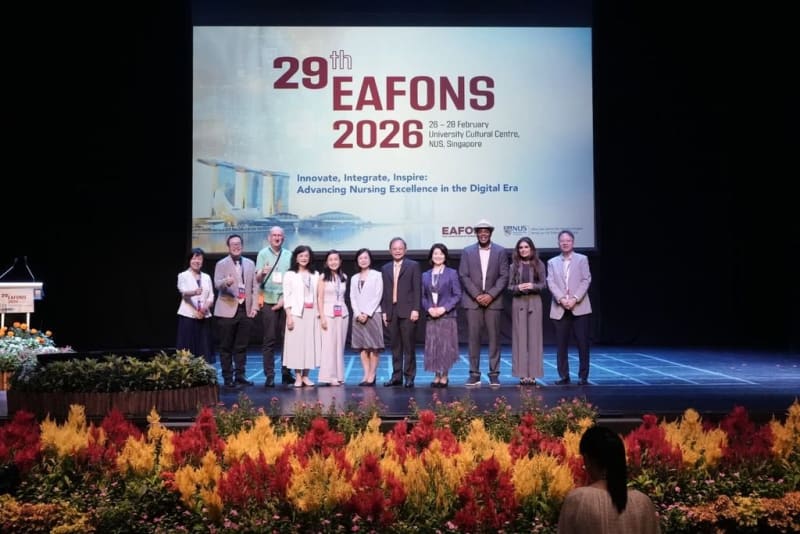
The program launched at an international nursing conference in Singapore that drew over 1,700 healthcare leaders from more than 40 countries. With the theme "Advancing Nursing Excellence in the Digital Age," the gathering highlighted how urgently the profession needs tech-savvy practitioners.
Graduates won't just be limited to traditional nursing roles. Their dual expertise opens doors to careers as clinical informatics specialists, digital health project managers, electronic health records consultants, and healthcare data analysts. They'll be able to practice nursing while simultaneously shaping how hospitals use technology.
Why This Inspires
Singapore's National Electronic Health Record already connects patient data across public and private healthcare institutions nationwide. But technology only improves care when the people using it understand both the clinical needs and the digital tools. These nursing graduates will bridge that gap.
"Nurses must be equipped to not only use technology, but also shape how it is designed, implemented and governed," explained Associate Professor Lydia Lau, who oversees undergraduate education at NUS Nursing. The program shifts from simply training nurses to operate digital tools to preparing them to lead entire digital systems in real-world practice.
The approach saves students both time and money while addressing a critical workforce need. As AI tools increasingly support clinical decisions, risk prediction, and workflow optimization, having nurses who can evaluate these technologies ethically and effectively becomes essential to patient safety.
A new generation of healthcare professionals will soon enter Singapore's hospitals ready to ensure that every technological advancement truly serves the people it's meant to heal.
Based on reporting by Google News - Singapore Technology
This story was written by BrightWire based on verified news reports.
Spread the positivity!
Share this good news with someone who needs it