Singapore Manufacturing Gets Modern: $135B Sector Hires
When Xavier Loh troubleshoots ship software from China, he's not doing what most people picture as "factory work." Singapore's advanced manufacturing sector is rewriting what it means to work in industry, attracting thousands of tech-savvy professionals to roles that look nothing like assembly lines.
When Xavier Loh troubleshoots ship software from China, he's not doing what most people picture as "factory work." The 26-year-old software engineer develops monitoring systems for Nordic Flow Control that keep vessels balanced and safe at sea.
His job represents a quiet revolution happening across Singapore's manufacturing sector. As the industry generated over $135 billion in value in 2024, companies are racing to fill thousands of positions that look more like tech careers than traditional factory roles.
The catch? They need to convince job seekers that manufacturing has changed.
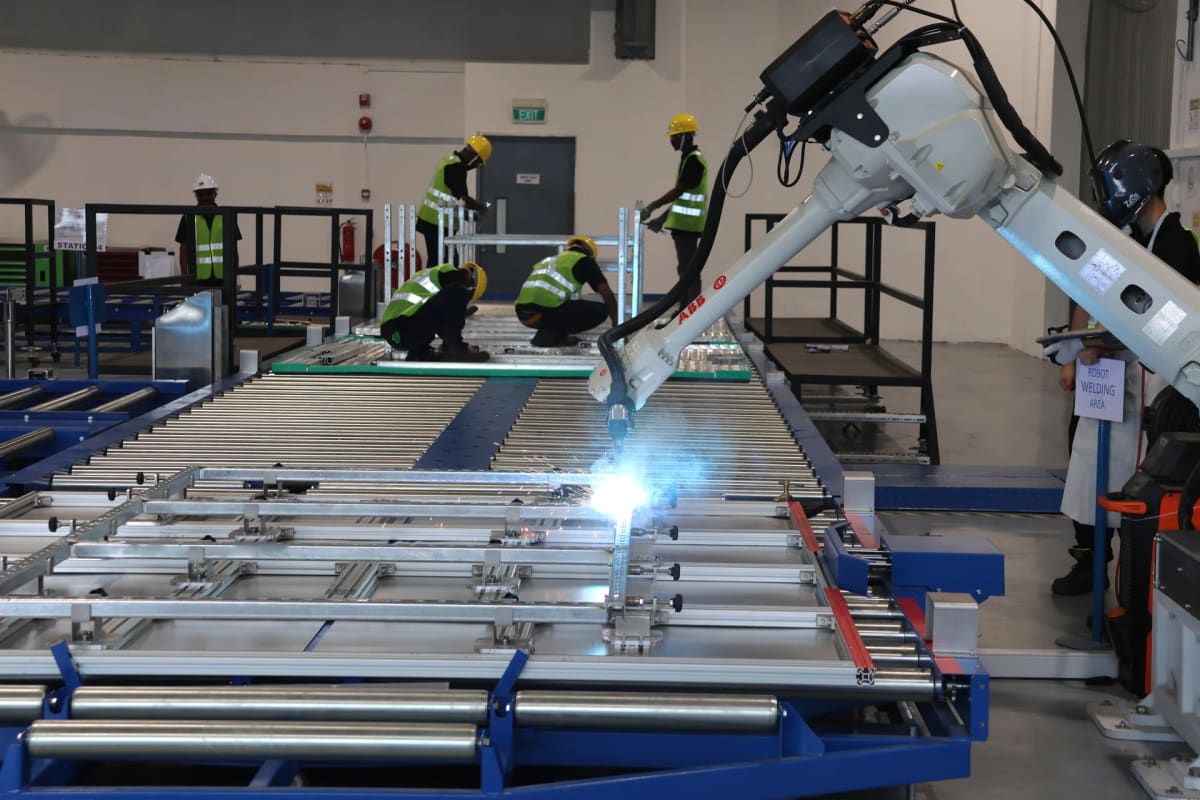
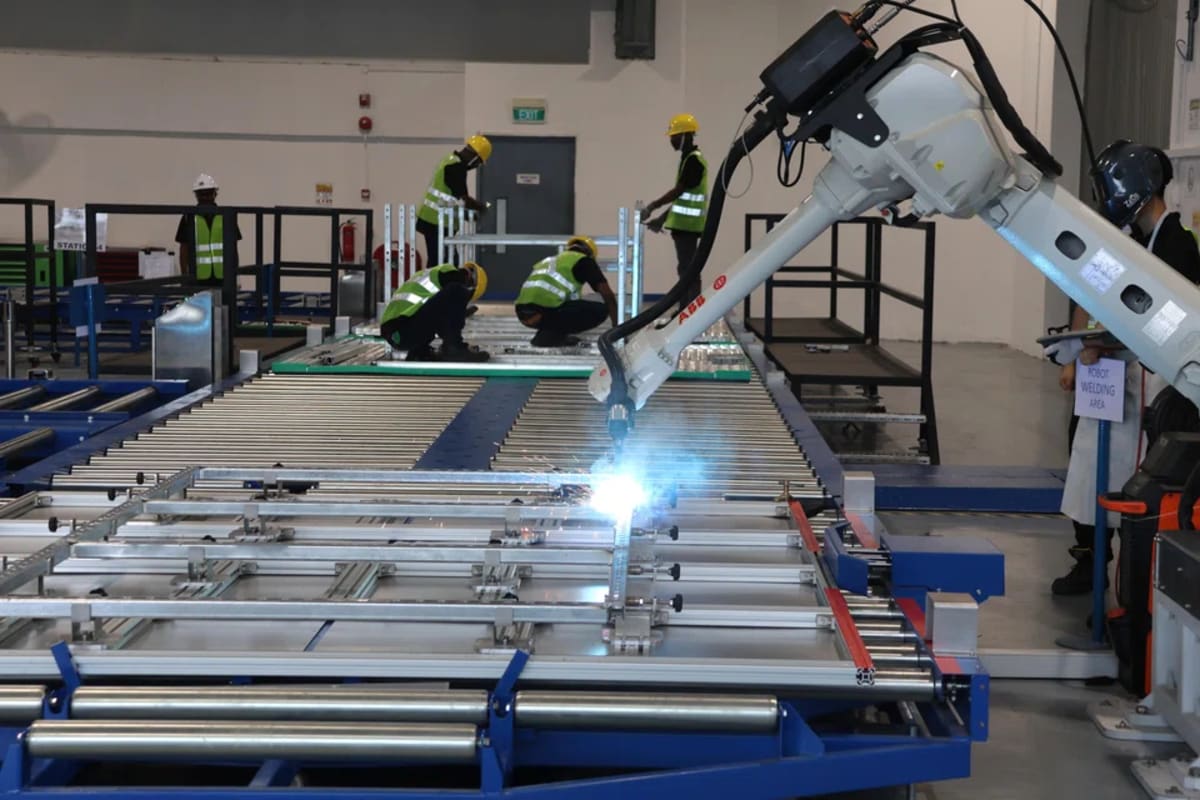
Singapore is doubling down on advanced manufacturing, setting aside $800 million for semiconductor research alone. These aren't your grandfather's factories. Modern manufacturing facilities combine robotics, artificial intelligence, and software engineering to create products ranging from medical devices to aerospace components.
For Loh, a recent naval architecture and marine engineering graduate, the appeal was clear. His role involves negotiating between multiple stakeholders, solving complex technical problems, and writing code that prevents maritime disasters. It requires creativity, collaboration, and cutting-edge technical skills.
Companies across Singapore face similar challenges in attracting talent. The word "manufacturing" still conjures images of repetitive assembly line work in hot, noisy environments. The reality involves climate-controlled facilities where engineers program robots, data analysts optimize production, and researchers develop breakthrough materials.
The Ripple Effect
This transformation matters beyond individual careers. As Singapore positions itself as a global hub for advanced manufacturing, these jobs offer stable, well-paying opportunities in emerging technologies. The semiconductor investment alone promises to generate roles in chip design, cleanroom operations, and specialized equipment maintenance.
Young professionals entering the field now are building expertise in industries critical to Singapore's economic future. They're working on problems that matter, from sustainable manufacturing processes to medical technology that saves lives.
The shift also creates pathways for career changers and fresh graduates who might have overlooked manufacturing entirely. Software engineers, data scientists, and designers are discovering that factories need their skills just as much as tech startups do.
Singapore's manufacturing sector isn't just filling positions. It's building the workforce for an industry that looks nothing like what came before, one software engineer at a time.
More Images



Based on reporting by Google News - Singapore Technology
This story was written by BrightWire based on verified news reports.
Spread the positivity!
Share this good news with someone who needs it