Singapore School Opens Observatory for Student Space Research
Students at Singapore's School of Science and Technology can now track satellites and explore distant planets from their own campus observatory. The new Space Technology Centre puts cutting-edge astronomy tools in the hands of teenagers eager to explore the cosmos.
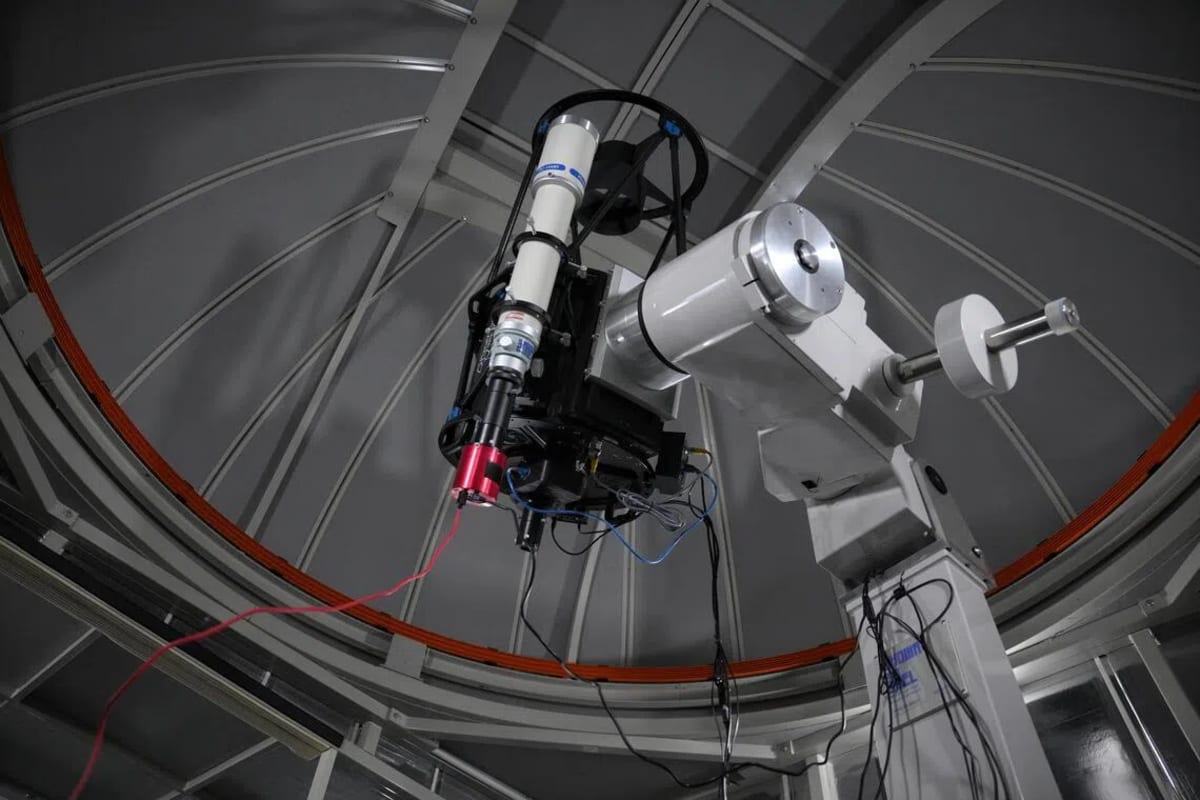
Students at Singapore's School of Science and Technology just gained access to something most professional astronomers dream about: their own on-campus observatory with a 17-inch telescope powerful enough to see Saturn's rings and the Moon's craters in stunning detail.
The Space Technology Centre officially opened on April 20, making SST only the second secondary school in Singapore with an observatory. What makes this facility even more special is its Bell Radio Room, where students can track satellites zooming overhead and communicate with radio operators around the world.
The telescope represents a massive upgrade from the handheld binoculars students currently use. Its large aperture gathers dramatically more light, revealing distant galaxies and nebulae that would otherwise remain invisible to young explorers.
Inside the Bell Radio Room, transceivers allow students to send their own messages into space and listen for signals bouncing back to Earth. SST is now the only secondary school in Singapore with a dedicated amateur radio station, opening doors to real-time satellite tracking and global communication.
Four specialized labs support the centre's mission. The Alpha Lab focuses on cybersecurity and artificial intelligence, while the Beta Lab serves as a maker space for building prototypes. The Gamma Lab handles applied research, and the RAE Lab tackles robotics and engineering challenges.
Senior Minister of State for Education David Neo emphasized how the centre connects classroom theory with hands-on application. Singapore has launched over 30 satellites and recently established the National Space Agency to expand its space economy, making this investment in young talent perfectly timed.
The Ripple Effect
The timing couldn't be better for Singapore's space ambitions. Launch costs have plummeted in recent years, making space exploration accessible to smaller nations and private companies. By training teenagers on professional-grade equipment today, Singapore is building the workforce that will design tomorrow's satellites and space missions.
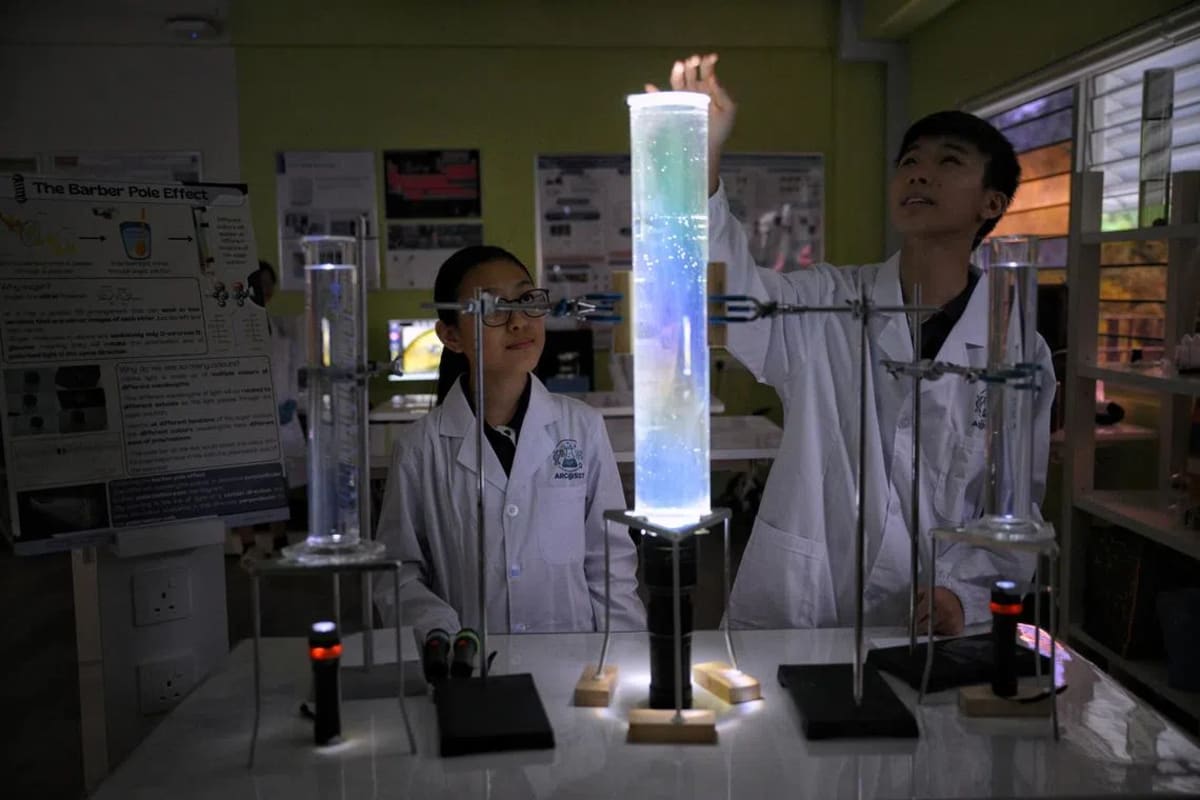
Students visit the facilities during regular science classes to learn about radio transmission, refraction, and reflection through hands-on experiments. Astronomy club members can book observatory time for their own research projects, though they need staff supervision.
Alumnus Gavriel Chia, who earned his radio licenses in 2023 and 2024, remembers teachers discussing the possibility of an observatory when he was in Secondary 1. Now 17, he's thrilled to finally move beyond theory and start experimenting with real equipment.
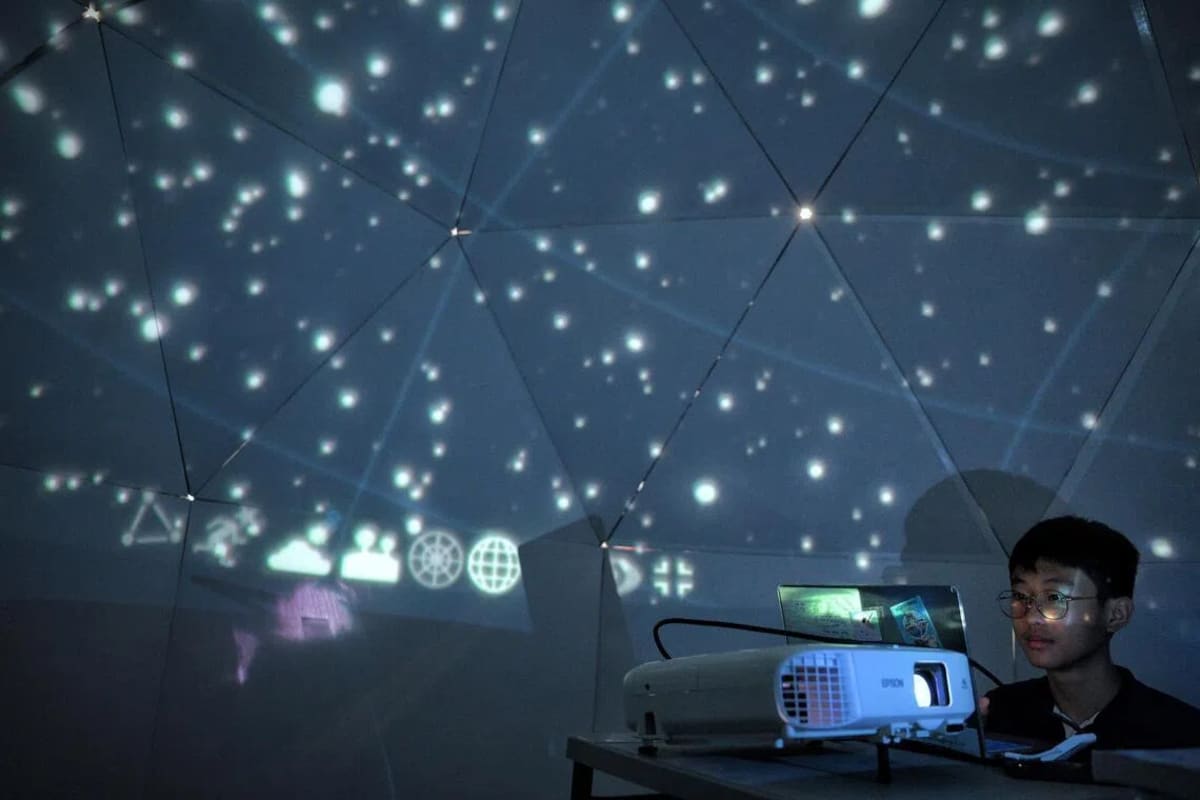
The centre opens for special events like eclipses and other astronomical phenomena, turning rare cosmic moments into shared learning experiences. Singapore's investment in STEM education is literally reaching for the stars, one student observer at a time.
More Images

Based on reporting by Google News - Singapore Technology
This story was written by BrightWire based on verified news reports.
Spread the positivity!
Share this good news with someone who needs it