Singapore Team Creates Vaccine for Deadliest Cancer
A Singapore surgeon and research team have developed a groundbreaking vaccine that trains the immune system to fight pancreatic cancer, one of medicine's most deadly diseases. Human trials begin within 18 months.
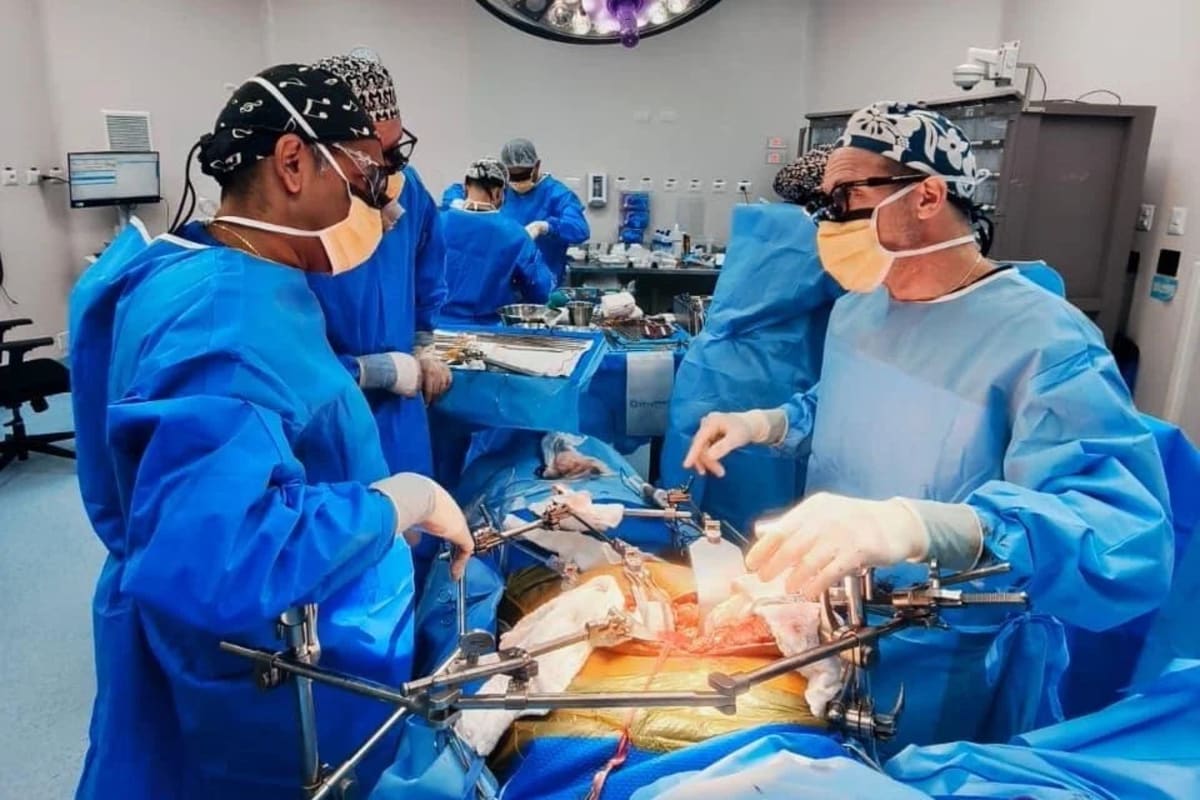
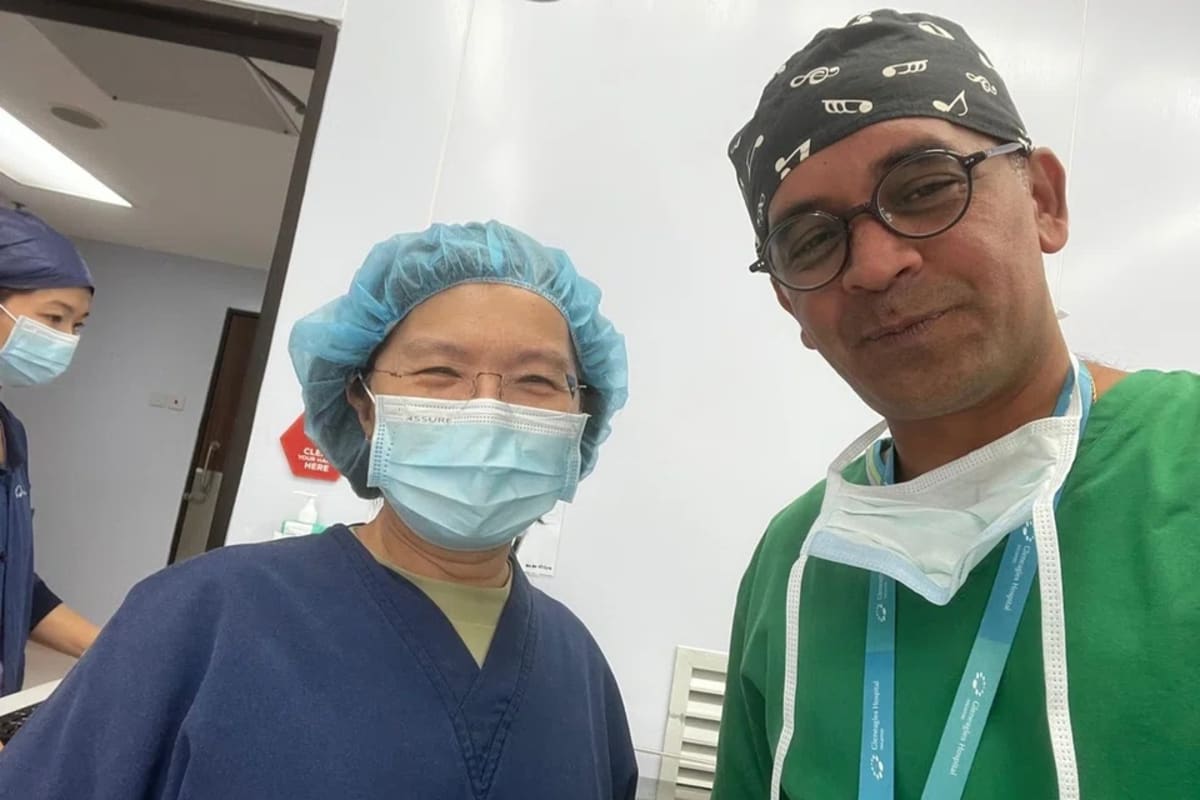
For two decades, Dr. Glenn Bonney has performed some of the world's most complex pancreatic surgeries, knowing that even after surgery, more than half his patients would face the cancer's return within three years. Instead of accepting those grim odds, the Singapore surgeon spent the past decade searching for a better answer.
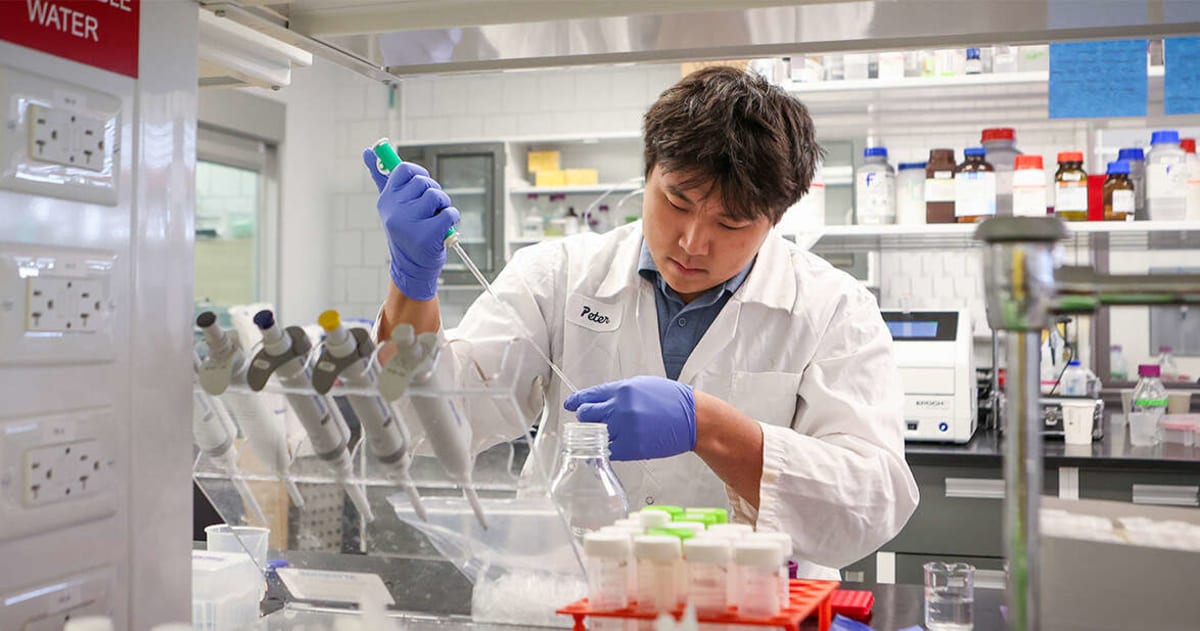
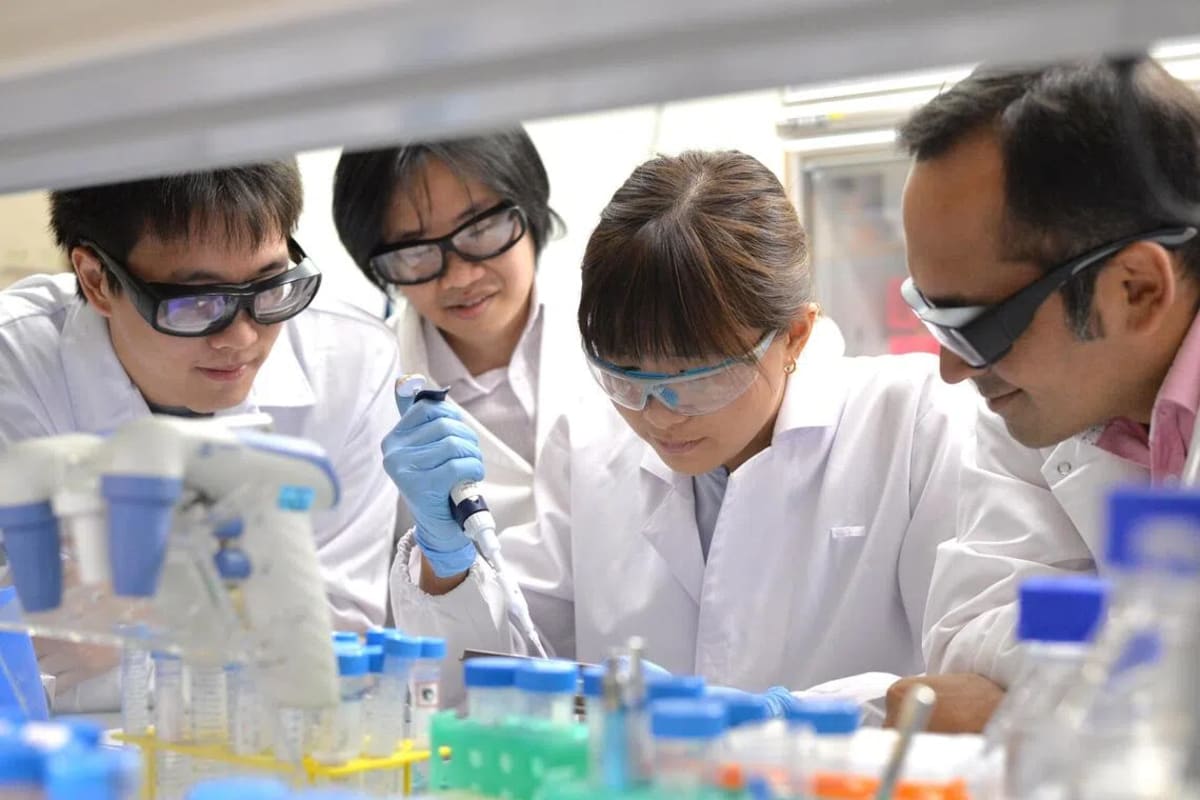
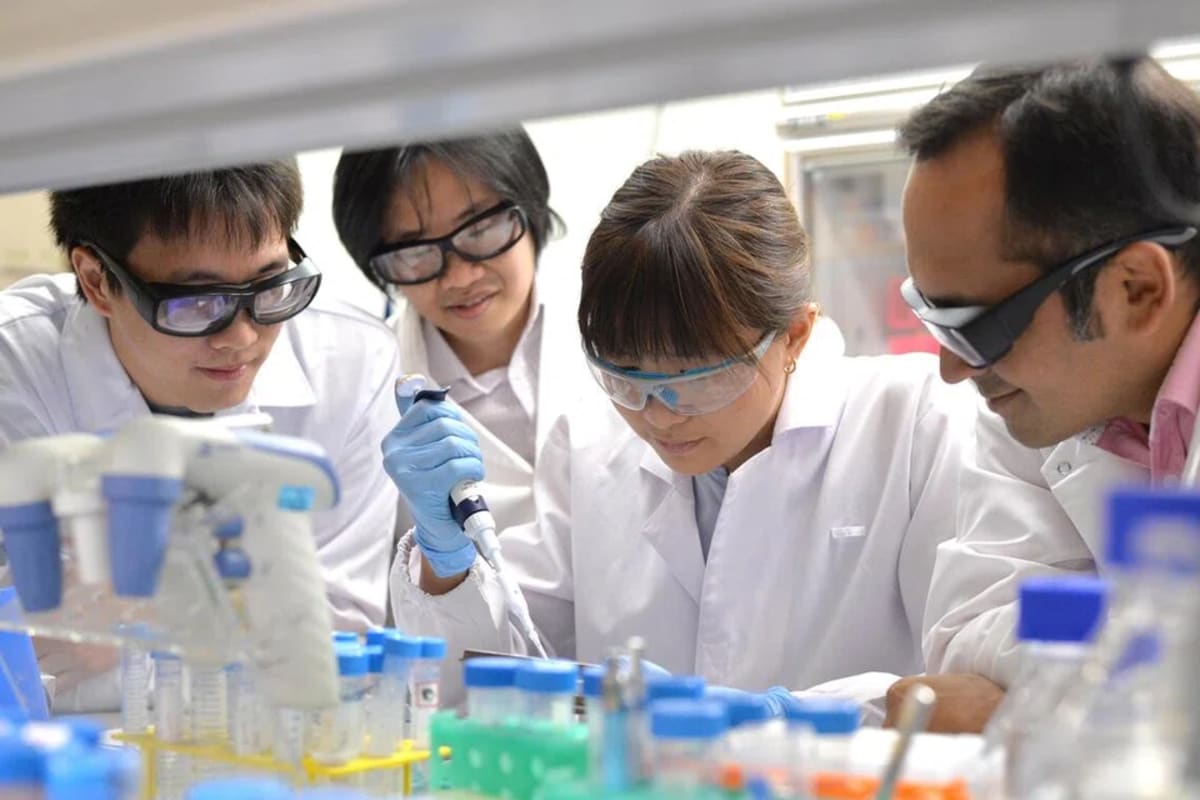
Today, that search has produced one of Singapore's most promising cancer breakthroughs. Working with Associate Professor Le Thi Nguyet Minh at the National University of Singapore, Dr. Bonney's team has developed a therapeutic vaccine that helps the body's immune system recognize and destroy pancreatic cancer cells.
The timing couldn't be more critical. Singapore now has one of the world's fastest-rising rates of pancreatic cancer, affecting both men and women across all age groups.
Pancreatic cancer is especially brutal because it hides deep in the abdomen, often showing no symptoms until it has already spread. Only 20 percent of a tumor consists of actual cancer cells, while the rest is dense protective tissue that blocks most drugs and immune cells from reaching their target.
The new vaccine works like a molecular Trojan horse. It uses microscopic packages naturally released from a patient's own red blood cells, engineered to either deliver anti-cancer agents directly into cancer cells or guide immune cells to attack the tumor.
Laboratory studies have already shown the vaccine can significantly reduce tumor growth. More importantly, tests in non-human primates showed an excellent safety profile, clearing the path toward human trials.
"These aren't vaccines to prevent it," Dr. Bonney explained. "These are vaccines to treat it when present by harnessing the patient's own immune system to attack the cancer."
The first human trials are expected to begin within 12 to 18 months. The project has received strong support from institutional and government funding, reflecting confidence in the approach.
The Ripple Effect
While Dr. Bonney remains cautiously optimistic, the vaccine represents a fundamental shift in how doctors might fight pancreatic cancer. Current treatments rely on surgery and chemotherapy, but hospital stays have already dropped from three weeks to just seven days thanks to robotic surgery advances.
If successful, the vaccine could offer patients with advanced disease a safer, more effective treatment option. More importantly, it could work alongside existing treatments to prevent the recurrence that haunts more than half of all patients.
Dr. Bonney's journey from operating room to research lab reflects a broader truth about medical progress: sometimes the biggest breakthroughs come from refusing to accept what seems inevitable.
The vaccine won't just represent hope for pancreatic cancer patients in Singapore, but could become a model for treating other hard-to-reach cancers worldwide.
More Images

Based on reporting by Regional: singapore breakthrough (SG)
This story was written by BrightWire based on verified news reports.
Spread the positivity!
Share this good news with someone who needs it