Singapore Tests Carbon Capture at Waste Plants
Singapore is launching a groundbreaking pilot project to capture carbon emissions from waste-burning power plants in one of the world's densest cities. This could show other urban areas how to generate clean energy from trash without adding to climate change. #
Singapore is turning waste into electricity and now wants to make sure the smoke doesn't harm the planet.
The island nation announced in June 2026 that it will test carbon capture technology at one of its waste-to-energy plants. For a country with almost no space for landfills, this could solve two problems at once: getting rid of trash and keeping the air clean.
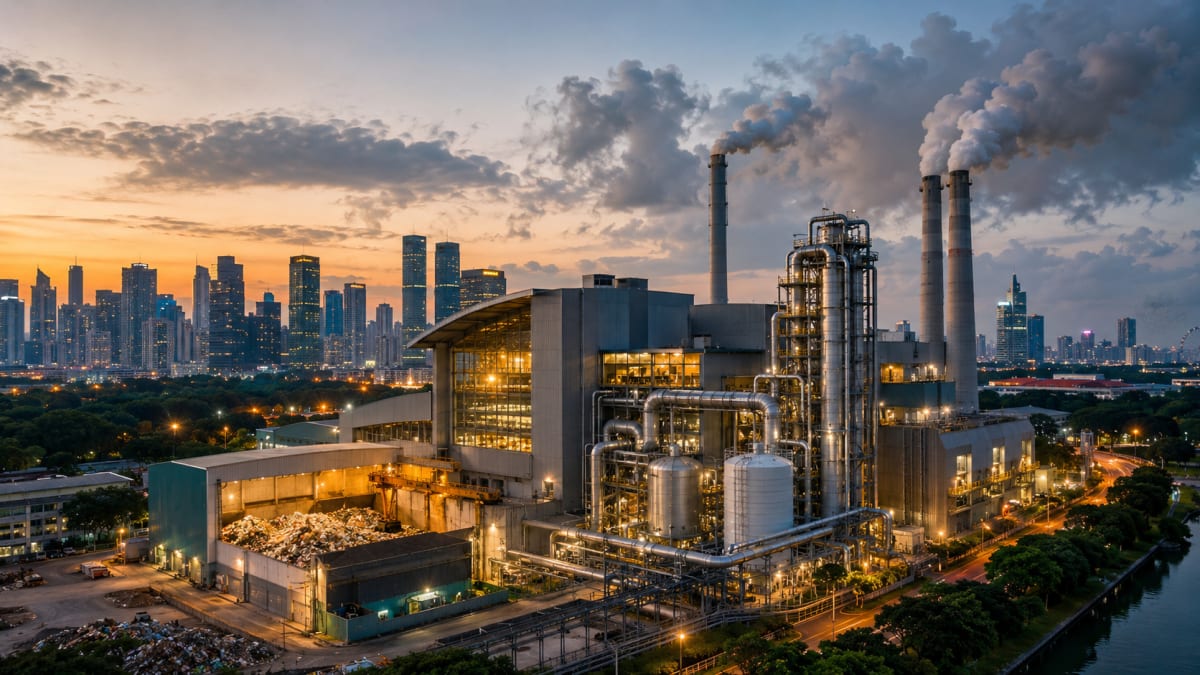
Singapore burns most of its garbage to generate power, reducing waste volume by 90% and lighting up homes across the city. But burning still releases carbon dioxide, the main greenhouse gas driving climate change.
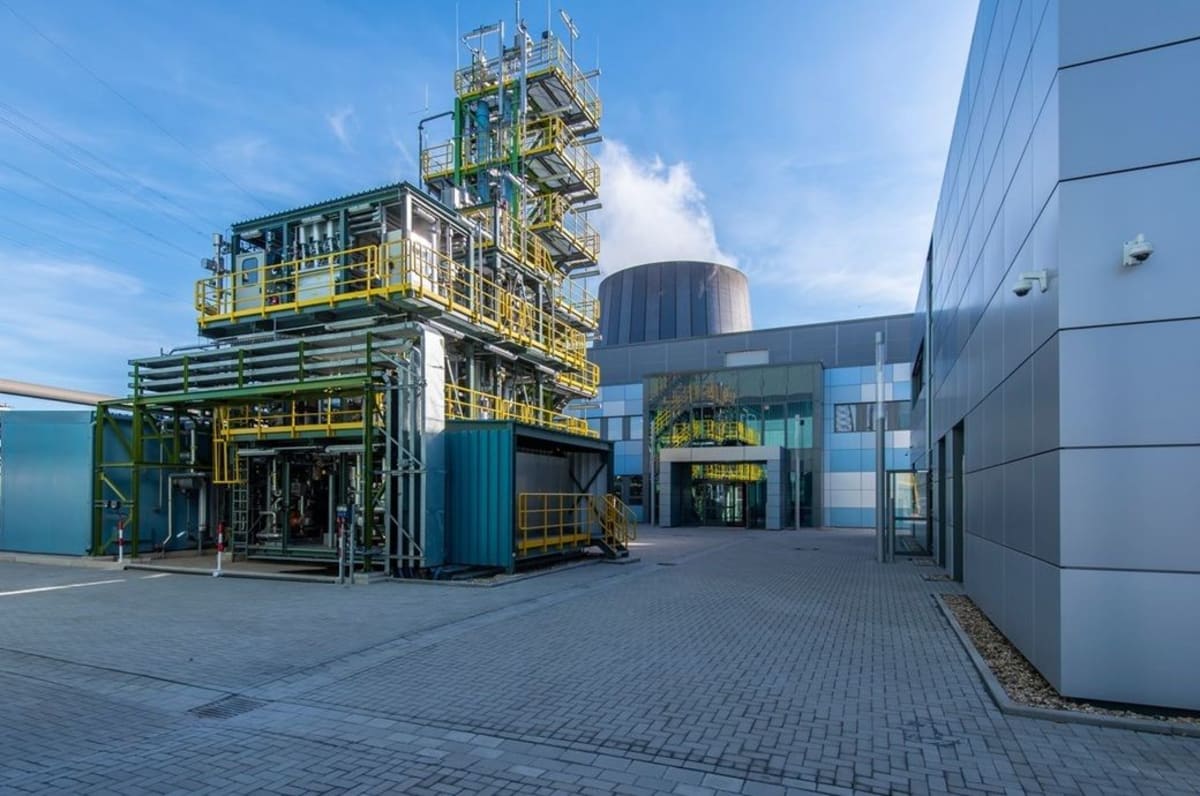
That's where carbon capture comes in. The new pilot project will test equipment that pulls CO2 from the smoke before it reaches the atmosphere.
The Ministry of Sustainability and the Environment is leading the effort to prove the technology can work in a busy urban setting. Most carbon capture projects happen at industrial sites far from cities, but Singapore doesn't have that luxury.
The test will help answer practical questions. How much energy does the capture equipment need? Can it run continuously without disrupting power generation? And crucially, what happens to the captured carbon after it's separated?
The Ripple Effect
If Singapore succeeds, it could write the playbook for other crowded cities facing the same challenge. Tokyo, Hong Kong, and Mumbai all rely on waste-to-energy plants but struggle with emissions.
The project shows how dense urban areas can take climate action without sacrificing the services their residents need. Waste isn't going away, but its impact on the planet might shrink dramatically.
Carbon capture technology is still proving itself worldwide, and urban applications face unique hurdles. But Singapore has a track record of turning space constraints into innovation opportunities.
The pilot results will tell us whether cities can truly turn their trash into clean power.
#
More Images




Based on reporting by Google News - Singapore Technology
This story was written by BrightWire based on verified news reports.
Spread the positivity!
Share this good news with someone who needs it