Singapore Tests Tech to Protect Abused Kids Returning Home
Singapore is developing an early warning system using sound and health monitoring to help keep abused children safe when they reunite with their families. The innovative approach could help kids return home sooner while giving social workers better tools to spot trouble before it escalates.
Singapore is pioneering a compassionate use of technology that could transform how child protection workers keep vulnerable children safe after they return home from foster care.
The Ministry of Social and Family Development is seeking tech solutions that can detect warning signs of abuse through environmental sounds like loud arguments or crying, and physiological indicators like elevated heart rates. When red flags appear, the system would alert trusted adults to step in quickly.
The innovation addresses a painful dilemma social workers face every day. In severe abuse cases, children are removed from their homes and placed with foster families or in children's homes while parents get help. But deciding when it's safe for kids to return home is agonizing, and workers often keep children in alternative care longer than necessary just to be certain.
Right now, protection officers monitor reunified families through home visits and regular check-ins. The new technology wouldn't replace their professional judgment but would give them additional eyes and ears between visits.
The ministry is offering $80,000 to develop a working prototype that combines different technologies. Officials are realistic that the tech might not be mature enough yet, but they see value in exploring the possibilities responsibly.
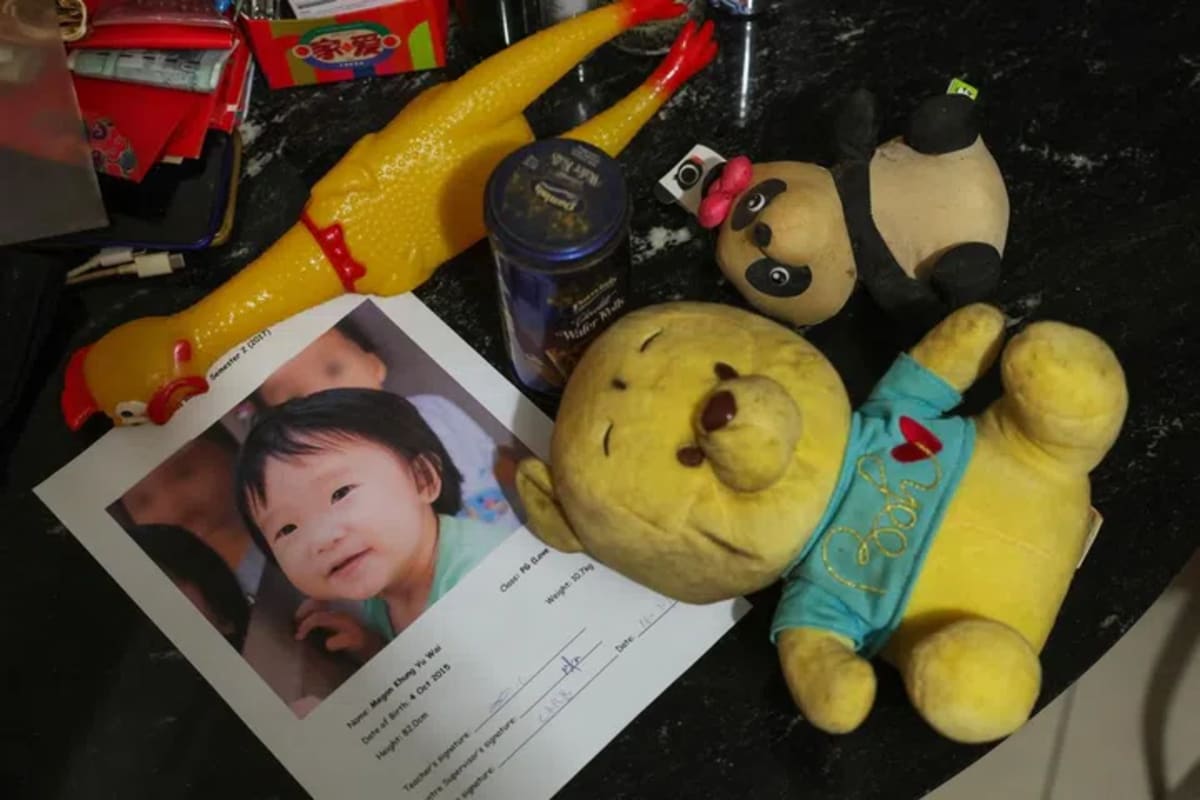
The initiative follows the tragic 2020 death of four-year-old Megan Khung, whose abuse case revealed gaps across multiple agencies. An independent review in October 2025 prompted sweeping reforms, including a $15 million innovation fund over three years to use data and technology to reach at-risk families earlier.
The Ripple Effect
If successful, the technology could mean children spend less time separated from parents who are ready to change. It could give families a chance to rebuild trust while still maintaining a safety net during the vulnerable transition period.
Child protection experts outside government see promise in the approach. Kevin See from social service agency Montfort Care notes that early warning systems let professionals address problems before they become crises, and technology can surface patterns humans might miss.
The challenges are real, though. Gracia Goh from Singapore Children's Society emphasizes that any monitoring solution must balance safety with privacy and dignity. The key is being responsive without being invasive, requiring careful ethical consideration in the design.
Singapore is betting that the right technology, combined with human expertise and compassion, can help more families heal together safely. It's a hopeful step forward in one of child welfare's toughest challenges.
Based on reporting by Google News - Singapore Technology
This story was written by BrightWire based on verified news reports.
Spread the positivity!
Share this good news with someone who needs it

%20-%202.png)