Singapore's Smart City District Wins Green Design Award
Singapore's one-north district just won a major international design award for proving that dense cities can stay cool, green, and liveable. This 200-hectare innovation hub uses science to beat the heat and boost biodiversity in one of the world's most compact urban environments.
A Singapore neighborhood is showing the world how to build cities that work with nature instead of against it.
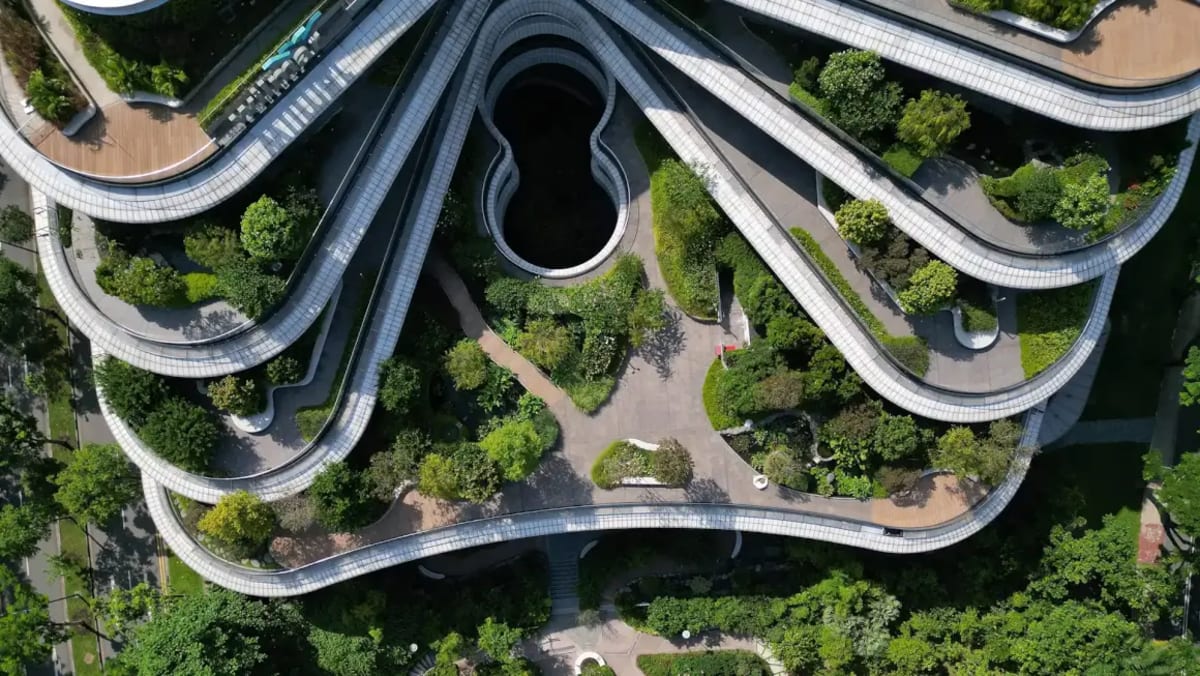
The one-north district, a 200-hectare innovation hub developed over 20 years, just won a 2026 Green Good Design Award for proving dense cities can remain liveable and environmentally positive. Led by researchers at Singapore University of Technology and Design, the project combines homes, workplaces, parks, and research centers into a compact ecosystem designed to fight urban heat.
The results are measurable. Environmental modeling shows one-north achieves cooler air temperatures and better wind flow than conventional high-density districts. Strategic building placement channels breezes through streets while trees and green roofs reduce heat buildup, creating noticeably more comfortable outdoor spaces in Biopolis and Fusionopolis neighborhoods.
But the district does more than stay cool. One-north functions as a connected ecological network where parks, planted streets, rooftop gardens, and forest patches link together like stepping stones. This design supports wildlife movement and habitat continuity across the urban landscape, advancing Singapore's "City in Nature" vision.
At street level, the district excels at walkability. Narrow shaded sidewalks, elevated walkways, and frequent shortcuts between blocks encourage people to walk instead of drive. Spatial modeling confirms pedestrian connectivity runs significantly higher than surrounding areas, proving compactness and comfort can go hand in hand.
The Ripple Effect
Singapore's government agencies are already using one-north's research to shape future development. The Urban Redevelopment Authority and National Parks Board now apply microclimate data, ecological connectivity models, and walkability metrics when evaluating new projects. Digital-twin planning tools developed from one-north research help officials optimize environmental performance before breaking ground.
The district has also informed initiatives like LUSH and URBEX ePlanner, giving planners evidence-based tools to design climate-adaptive neighborhoods. These practical applications mean one-north's lessons are spreading beyond its borders to influence how Singapore and other tropical cities approach dense development.
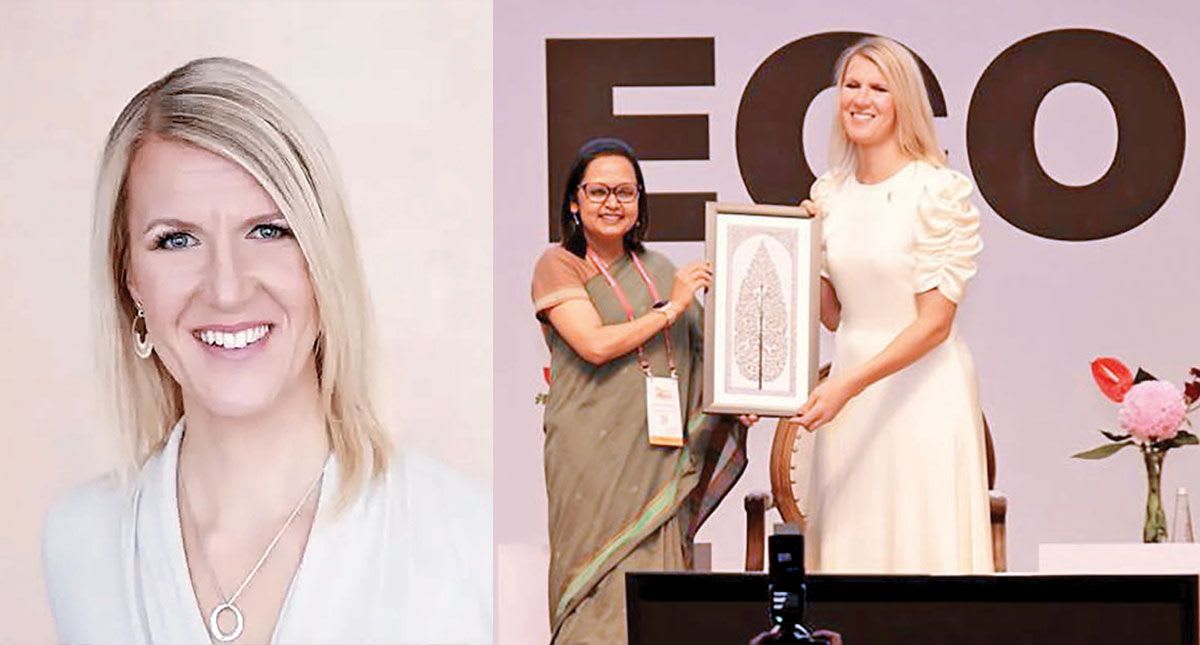
Thomas Schroepfer and his research team demonstrated that rigorous environmental science can guide urban design toward measurably better outcomes. Their work offers a replicable model for cities worldwide facing the twin challenges of population growth and climate change.
One-north proves that density doesn't require sacrificing livability when evidence leads the way.
Based on reporting by Google News - Singapore Technology
This story was written by BrightWire based on verified news reports.
Spread the positivity!
Share this good news with someone who needs it