Singapore's Smart City Lab Tests Robotaxis and Green Tech
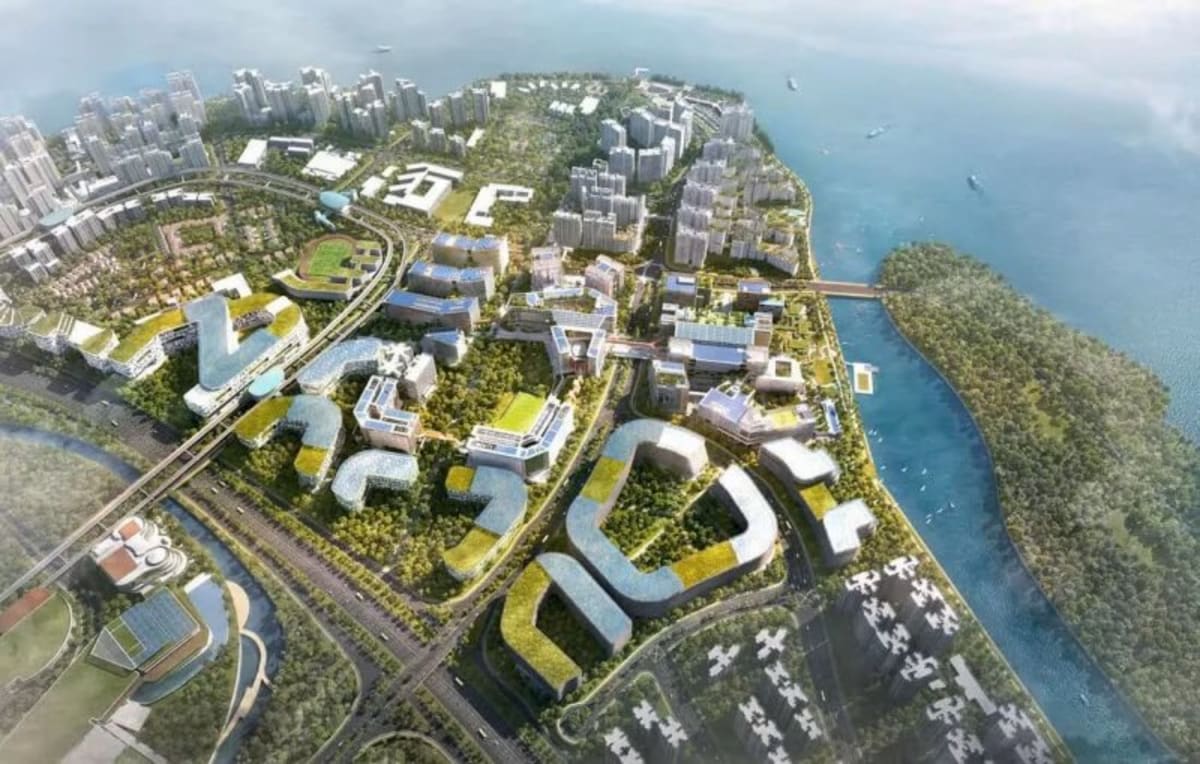
Singapore's Punggol Digital District has transformed from blueprint to reality, becoming Asia's first fully integrated smart city where robotaxis share streets with residents and solar panels power innovation. Six years after breaking ground, this 50-hectare tech hub is proving that cities can be designed for the future from day one.
Singapore just opened a window into what cities could look like in 2050, and the view is surprisingly practical.
The Punggol Digital District (PDD) has officially gone live as a working neighborhood where cutting-edge technology isn't bolted onto old infrastructure. Instead, digital systems and physical buildings were designed together from the start, creating what planners call a "living lab" where 50 hectares blend homes, offices, and universities into one connected ecosystem.
The Singapore Institute of Technology anchors the district, with walkways physically linking classrooms to company headquarters. Students can literally walk from lecture halls into the offices of multinational robotics and cybersecurity firms that have moved into the neighborhood, creating an instant talent pipeline that most tech hubs spend decades developing.
Real robotaxis now navigate real residential streets in PDD, marking Singapore's first deployment of autonomous vehicles where people actually live. Companies like Grab and WeRide are testing their technology not on closed tracks but alongside parents walking kids to school and neighbors grabbing groceries.
A central digital platform acts as the district's nervous system, pulling data from sensors embedded throughout buildings, transit systems, and public spaces. City managers can monitor everything from energy use to foot traffic in real time, adjusting services on the fly rather than waiting months for reports.
The Bright Side
The district's green features show that smart doesn't have to mean sterile. Rooftop solar panels generate clean energy while water recycling systems and waste-to-fertilizer technology turn everyday activities into sustainability wins. These aren't experimental add-ons but core infrastructure built into every building.
Analysts are watching closely because PDD represents a fundamentally different approach than Silicon Valley's organic growth. While California's tech ecosystem evolved over decades through market forces and happy accidents, Singapore is proving that governments can engineer innovation environments from scratch when they coordinate infrastructure, education, and industry in one place.
China's Xiong'an New Area follows a similar playbook, suggesting this model of planned innovation districts could reshape how countries compete for tech leadership. The question isn't whether engineered ecosystems can work anymore, but whether they can match the creative chaos that made places like Silicon Valley so successful.
For now, PDD residents are living the answer, commuting in autonomous vehicles and studying next door to the companies that might hire them tomorrow.
More Images




Based on reporting by Google News - Singapore Technology
This story was written by BrightWire based on verified news reports.
Spread the positivity!
Share this good news with someone who needs it