Six Indigenous Nations Now Own Saskatchewan Wind Farm
A $500 million wind project that divided a small Saskatchewan town just cleared its final hurdle, with six Indigenous nations holding 30% ownership. It's one of the largest Indigenous-owned renewable energy projects in Canadian history.
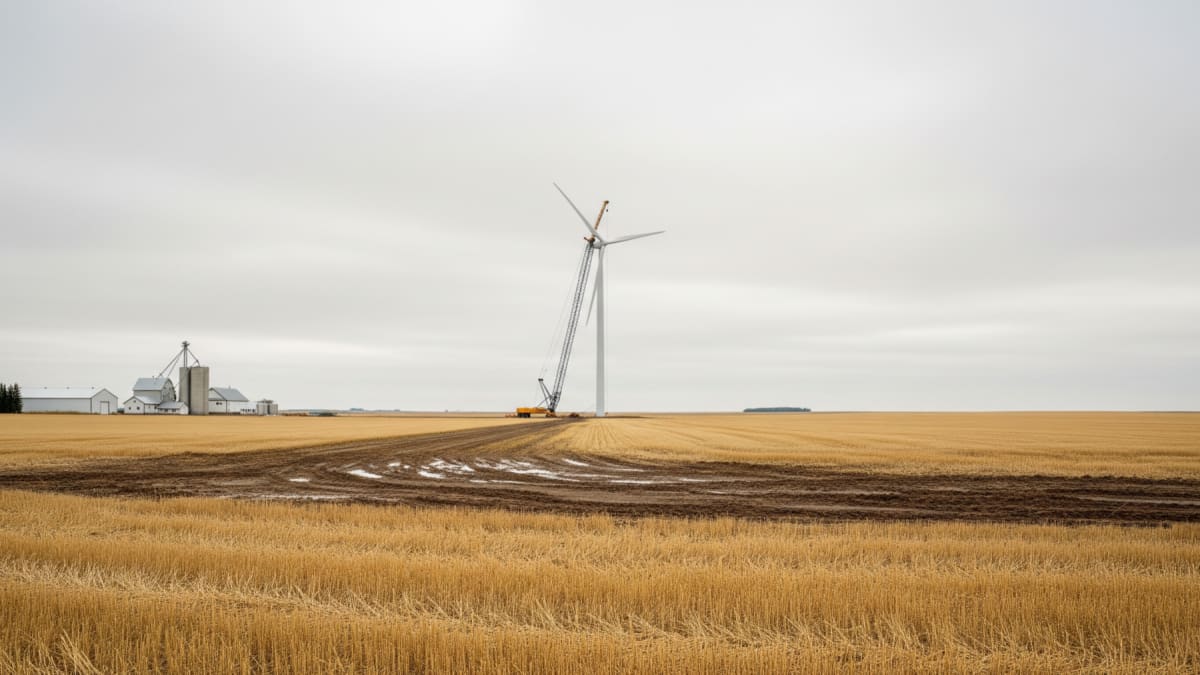
When wheat farmers in Weyburn, Saskatchewan stopped speaking to their neighbors over 46 proposed wind turbines, no one imagined the fight would end with Indigenous nations owning a third of the entire operation.
The Seven Stars wind project spent two years tearing the community apart. Enbridge's $500 million proposal promised over $100 million in local benefits across 30 years, including tax revenue and landowner leases that some farmers called transformative.
Others saw 46 towers rising over land their families had farmed for generations and said absolutely not. Town halls filled with angry residents. One neighbor allegedly tried to buy Don Bourassa's property just to keep him quiet about his opposition.
The real divide ran deeper than viewsheds and noise complaints. Half the turbines sat in the Rural Municipality of Weyburn, which approved permits quickly. The other half fell in Griffin, which stalled for months demanding environmental reviews.
Then something shifted. The project's ownership structure revealed a detail most residents had overlooked entirely.
Six Nations Energy Development LP brought together Cowessess First Nation, George Gordon First Nation, Kahkewistahaw First Nation, Métis Nation-Saskatchewan, Pasqua First Nation, and White Bear First Nation. Together they'll own at least 30% of the project once operational, confirmed on the SaskPower website.
This isn't a symbolic gesture or community fund. It's a generational asset that will pay into Indigenous communities for as long as wind crosses the prairie.
The Ripple Effect
Saskatchewan's Ministry of Environment approved the project's environmental impact statement on July 14 after reviewing wildlife, land, water, and cultural impacts. Griffin approved development permits one week later, finally aligning both municipalities.
The 200-megawatt farm will power 100,000 Saskatchewan homes for three decades. More importantly, it represents one of Canada's largest Indigenous ownership stakes in renewable energy infrastructure.
Enbridge hasn't confirmed construction yet, more than two years after taking over development. But the framework now exists for Indigenous nations to profit directly from energy projects on land that was once entirely theirs.
At Rose Valley Colony, where another 200-megawatt wind farm broke ground in June, a Hutterite community held a celebration instead of contentious hearings. The contrast shows what shared ownership and genuine consent can build.
The neighbors who stopped talking may soon live beside turbines partly owned by the same nations whose prairie this once was. If those towers rise over the flat gold horizon, their height won't be what matters most—it'll be whose names appear on the ownership deed.
Based on reporting by Google News - Wind Energy
This story was written by BrightWire based on verified news reports.
Spread the positivity!
Share this good news with someone who needs it