Six-Year Study Unlocks Abarco Tree Growth for Colombia
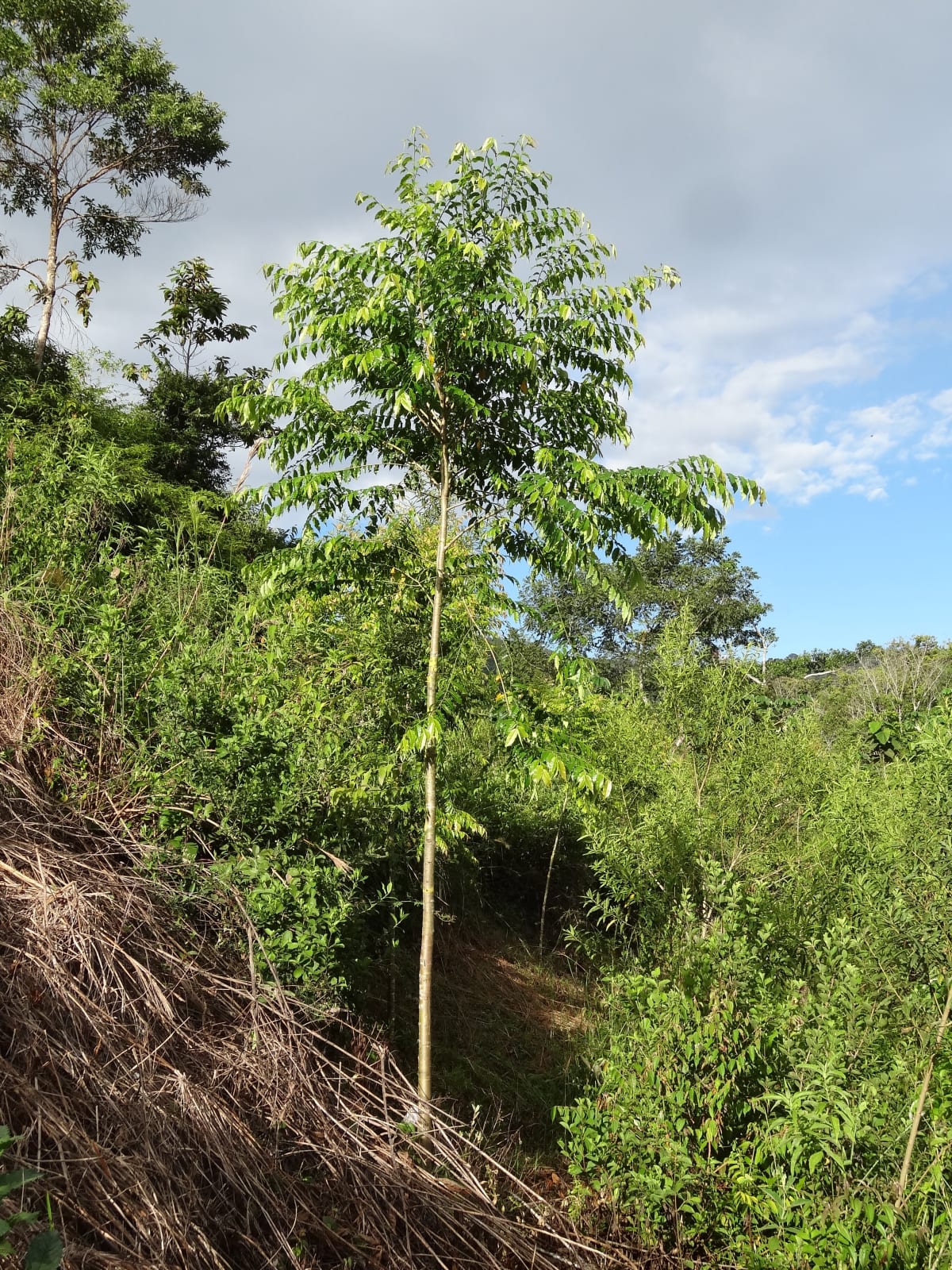
Scientists in Colombia just cracked the code on growing abarco trees, one of South America's most valuable timber species, after six years of careful study. Their findings could transform reforestation efforts and help forests thrive as the climate shifts.
A team of researchers spent six years watching young trees grow in the Colombian forest, and what they learned could help restore one of the country's most treasured natural resources.
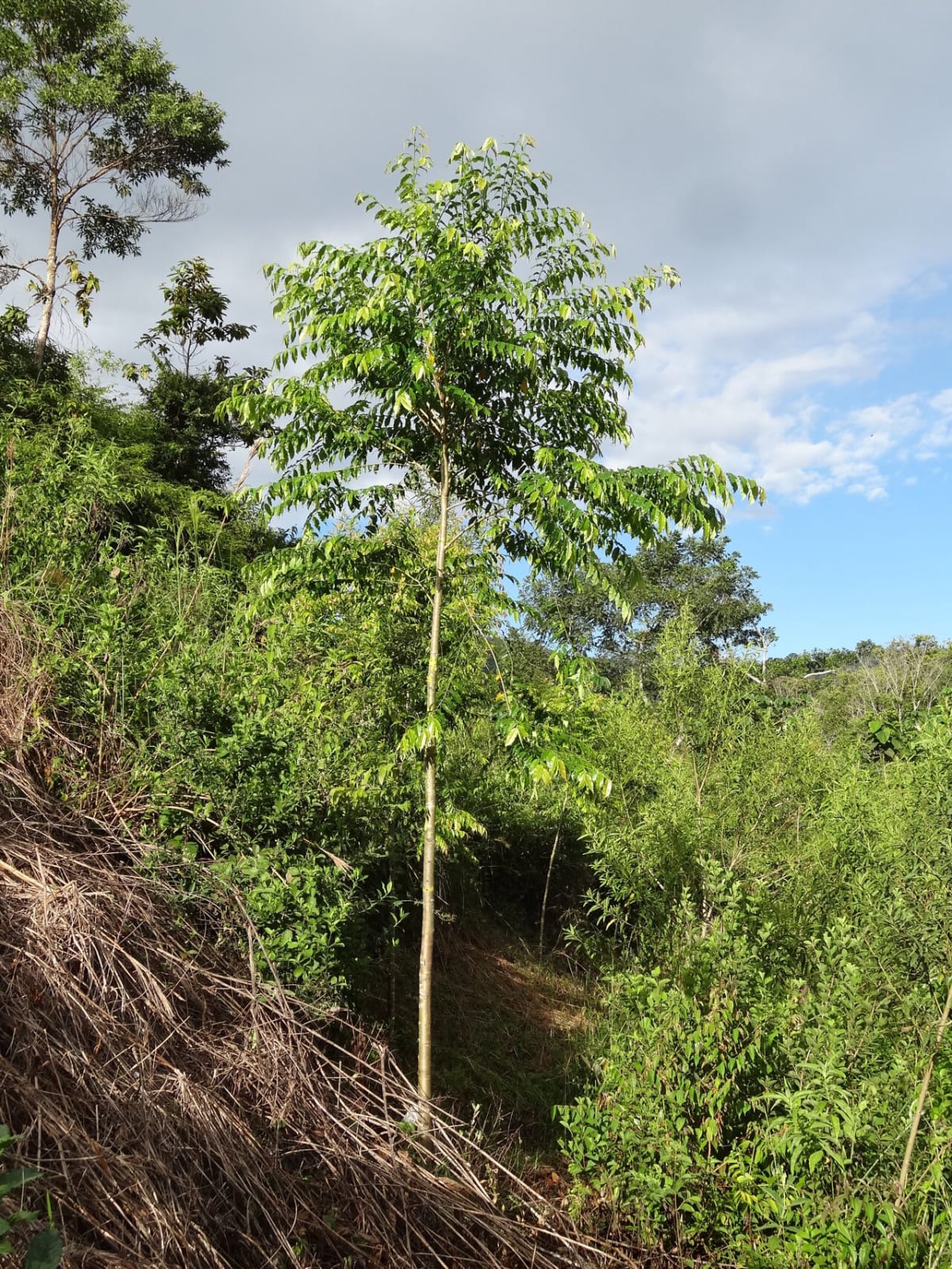
Scientists from the University of Eastern Finland and AGROSAVIA in Colombia tracked abarco seedlings from their first days in the soil through six full growing seasons. They measured everything from trunk diameter to crown development, comparing trees growing in full sunlight against those in partial shade while recording rainfall, temperature, humidity, and light intensity.
The results brought good news. Abarco seedlings showed strong, steady growth under both light conditions, with trees in full sun developing thicker trunks. The young trees proved surprisingly resilient, maintaining high survival rates with few signs of disease or pest damage.
Dr. Alexander Pulgarín Díaz, who led the study, discovered that humidity and light availability were the secret ingredients. When these conditions aligned, the trees flourished. This knowledge gives forest managers a roadmap for choosing the best planting locations as weather patterns continue to change.
Abarco has long been prized across South America for its valuable timber and vital role in forest ecosystems. Despite its commercial importance as one of Colombia's most traded timber species, large-scale plantations have remained rare. Until now, forest managers lacked the detailed science needed to grow these trees successfully at scale.
The Ripple Effect
Timing couldn't be better. The Colombian government just added abarco to its 2025 list of species eligible for financial incentives under commercial reforestation programs. Armed with this new research, landowners and conservation groups now have evidence-based guidance for where and how to plant these trees for maximum success.
The study marks the first long-term analysis using permanent monitoring plots to track abarco from seedling to young tree. For tropical regions where native species remain understudied despite heavy harvesting, this kind of patient, detailed research fills a critical knowledge gap.
The findings support not just commercial timber operations but forest restoration and conservation efforts across northern South America. As climate patterns shift, understanding which native species can adapt and thrive becomes essential for maintaining healthy, productive forests for future generations.
Six years of careful observation just opened the door for Colombia's forests to grow stronger and more resilient.
More Images
Based on reporting by Google News - Reforestation
This story was written by BrightWire based on verified news reports.
Spread the positivity!
Share this good news with someone who needs it