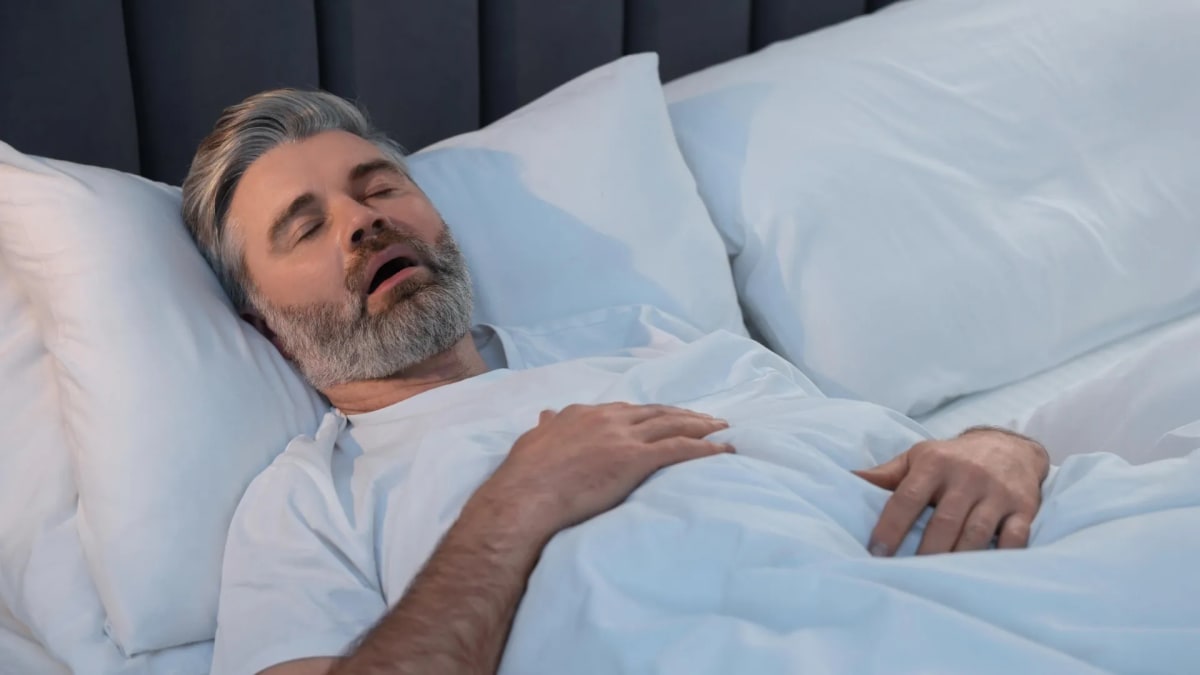
Sleep Apnea Pill Cuts Breathing Pauses by Nearly Half
A new European study shows that sulthiame, a drug already approved for childhood epilepsy, reduced nighttime breathing interruptions by up to 47% in people with moderate to severe sleep apnea. The breakthrough could offer millions a pill-based alternative to uncomfortable CPAP masks.
Millions of people who struggle with uncomfortable breathing masks at night may soon have a simpler option for treating their sleep apnea.
A major European clinical trial found that sulthiame, an existing epilepsy medication, dramatically reduced breathing pauses in people with moderate to severe obstructive sleep apnea. Patients taking higher doses experienced up to 47% fewer breathing interruptions and better oxygen levels during sleep.
The study involved 298 participants across four European countries. Researchers from the University of Gothenburg led the double-blind trial, where neither patients nor doctors knew who received the real drug versus a placebo.
The results mark a potential turning point for sleep apnea treatment. Right now, the main therapy is a CPAP machine, which uses a mask to keep airways open during sleep. While highly effective, up to half of patients stop using it within a year because the mask feels uncomfortable or disrupts their rest.
Sulthiame works differently. Instead of forcing air through a mask, it stabilizes breathing signals in the brain and increases respiratory drive. This helps prevent the upper airway from collapsing during sleep, which causes the dangerous breathing pauses that define obstructive sleep apnea.
"We have been working on this treatment strategy for a long time, and the results show that sleep apnea can indeed be influenced pharmacologically," said Jan Hedner, senior professor of pulmonary medicine at the University of Gothenburg. "It feels like a breakthrough."
The timing matters for millions of people. Untreated sleep apnea does more than disrupt rest. Over time, it raises the risk of high blood pressure, heart disease, stroke, and type 2 diabetes.
Most side effects reported during the trial were mild and temporary. The research team published their findings in The Lancet.
The Ripple Effect
This discovery could transform how doctors treat one of the most common sleep disorders. Sleep apnea affects roughly 1 billion people worldwide, but many go undiagnosed or untreated because current therapies feel too burdensome.
A simple pill would lower barriers to treatment dramatically. People who travel frequently, feel claustrophobic with masks, or lack access to CPAP equipment could finally get help.
The research team now plans larger and longer studies to confirm the drug's safety and effectiveness over time. If those trials succeed, sulthiame could become the first medication approved to directly treat the underlying cause of obstructive sleep apnea.
For now, the results offer something precious to people who have struggled for years with sleepless nights: genuine hope for easier breathing ahead.
Based on reporting by Health Daily
This story was written by BrightWire based on verified news reports.
Spread the positivity!
Share this good news with someone who needs it