Sleep in Darkness for a Healthier Heart, Study Finds
A new study reveals that keeping your bedroom dark at night could be as important for your heart as controlling blood pressure. Researchers discovered that even small amounts of light during sleep can affect heart structure.
Your bedroom light switch might be more important to your heart health than you think.
Scientists publishing in the European Heart Journal this week found that sleeping in darkness protects your heart in powerful ways. The research shows that light exposure during nighttime sleep can cause subtle changes to the heart's structure.
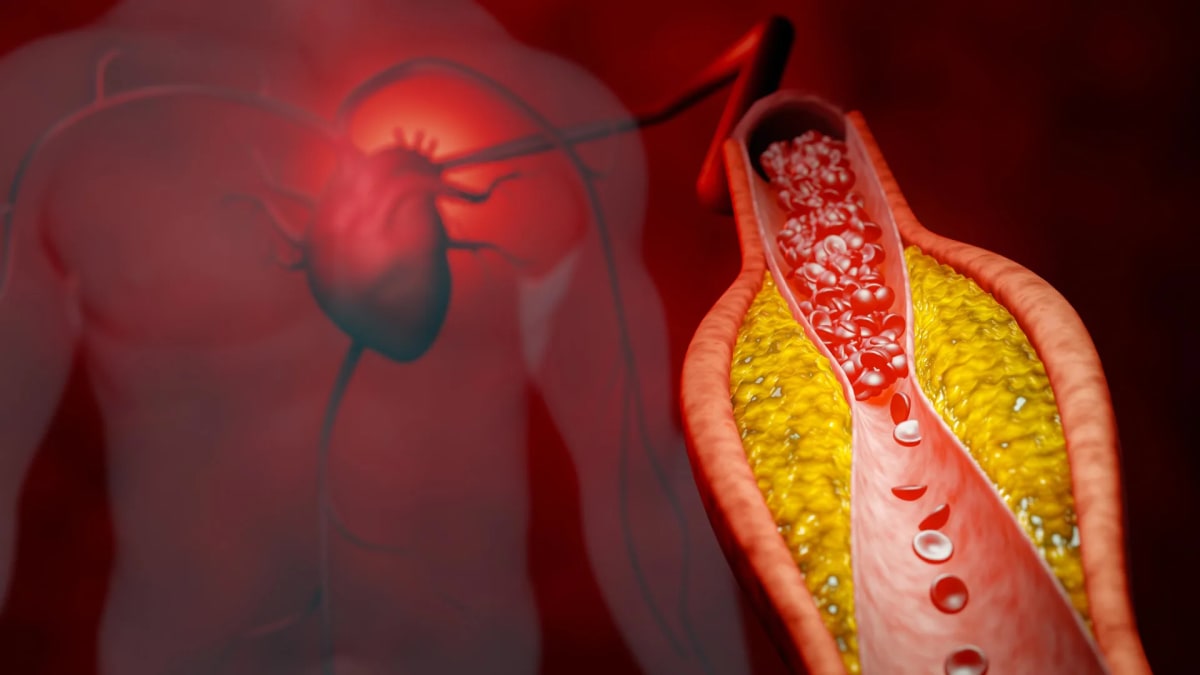
These tiny structural changes matter more than they might seem. Researchers have linked them to increased risks of cardiovascular disease and stroke down the road.
The study puts darkness on the same level as other heart health essentials. According to the research team, keeping your bedroom dark ranks alongside controlling blood pressure and breathing clean air for cardiovascular wellness.
Why This Inspires
This discovery hands us something rare in health research: a simple fix that anyone can implement tonight. No prescription needed, no expensive equipment required, just flipping off the lights.
The findings arrive at a time when many people sleep with phones glowing on nightstands, streetlights streaming through windows, and digital clocks casting blue light across rooms. We've normalized sleeping in partial darkness without realizing the cost.
What makes this research especially hopeful is its accessibility. While we can't always control air quality or instantly fix blood pressure issues, we can absolutely control our bedroom lighting. Black out curtains, eye masks, and turning off electronics cost far less than medical treatments.
The study reminds us that our bodies evolved over millions of years to sleep in complete darkness. Our hearts still expect that ancient rhythm, and honoring it protects them.
Simple changes tonight could mean healthier tomorrows for millions of hearts.
Based on reporting by Google News - Researchers Find
This story was written by BrightWire based on verified news reports.
Spread the positivity!
Share this good news with someone who needs it