Small Berkshires Radio Station Shows Future of Community
A century after radio first connected distant communities, a small Berkshires station is proving how modern technology lets local voices reach the world. WGSL is pioneering something bigger than broadcasting.
For the first time in history, truly local stories can travel anywhere instantly.
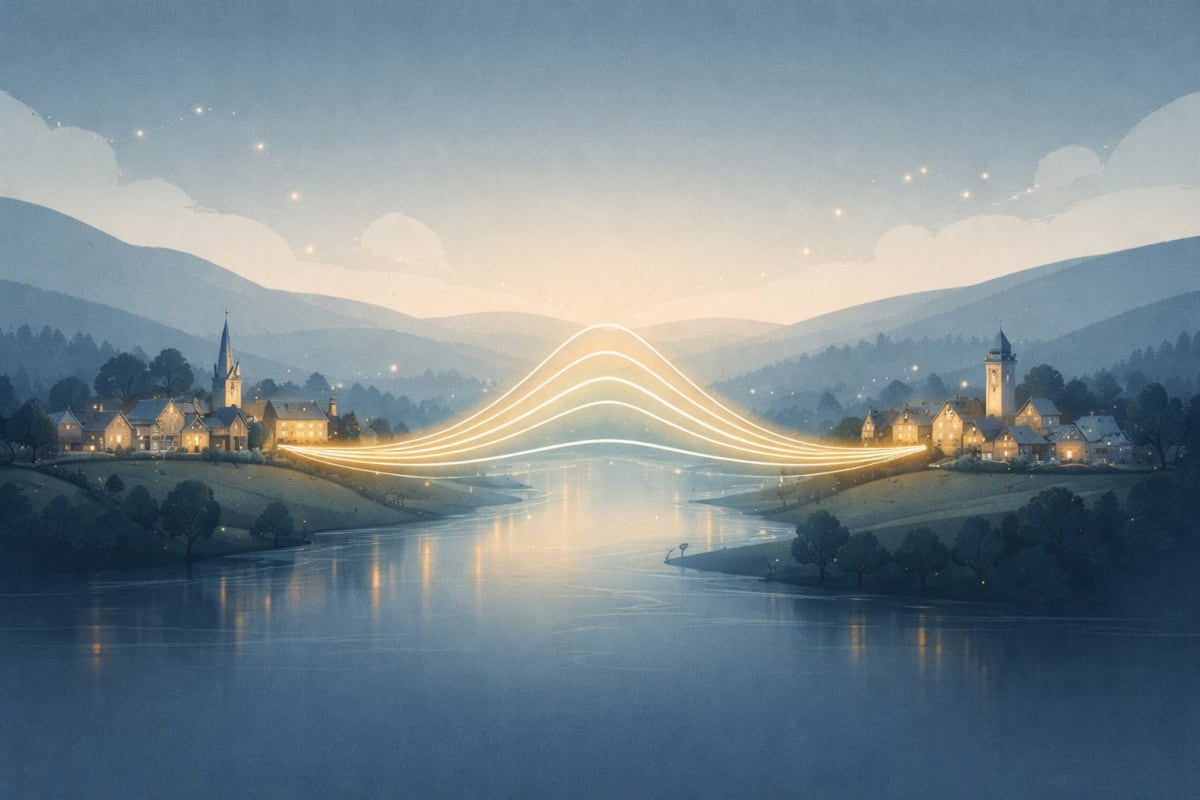
WGSL, a new radio station serving five small Berkshires towns including Great Barrington and Stockbridge, represents a quiet revolution in how communities communicate. The station operates alongside CTSB, a local television outlet, creating something that wasn't possible even a decade ago: hyperlocal content with global reach.
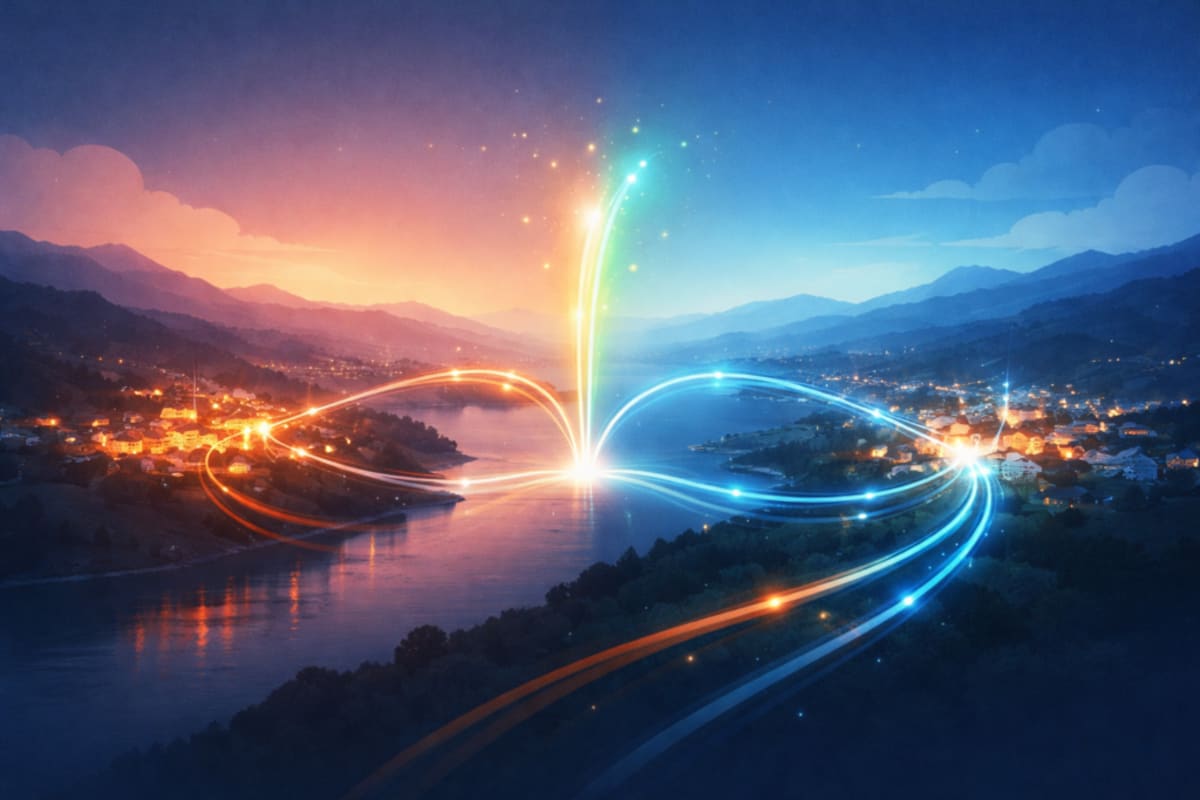
The technology behind this shift is remarkably simple. Streaming turns any local broadcast into a worldwide signal, connecting year-round residents with people who love the Berkshires from Boston, New York, or anywhere with internet access. Computing power that once required massive institutions now fits in a community studio.
But the real innovation isn't technical. It's how different forms of communication are starting to weave together.
A written column sparks a radio conversation. That radio talk becomes a television segment. The TV discussion inspires a live gathering where people perform music or share art. Each format strengthens the others, creating what Howard Lieberman, a local journalist and Juilliard-trained composer, calls "stylistic scaffolding."
The Berkshire Edge, now in its second decade, shows how this works in practice. The regional online newspaper connects readers across state lines while WGSL anchors daily conversations within the community itself. Together, they create layers of connection that weren't possible when media required huge transmitters and printing presses.
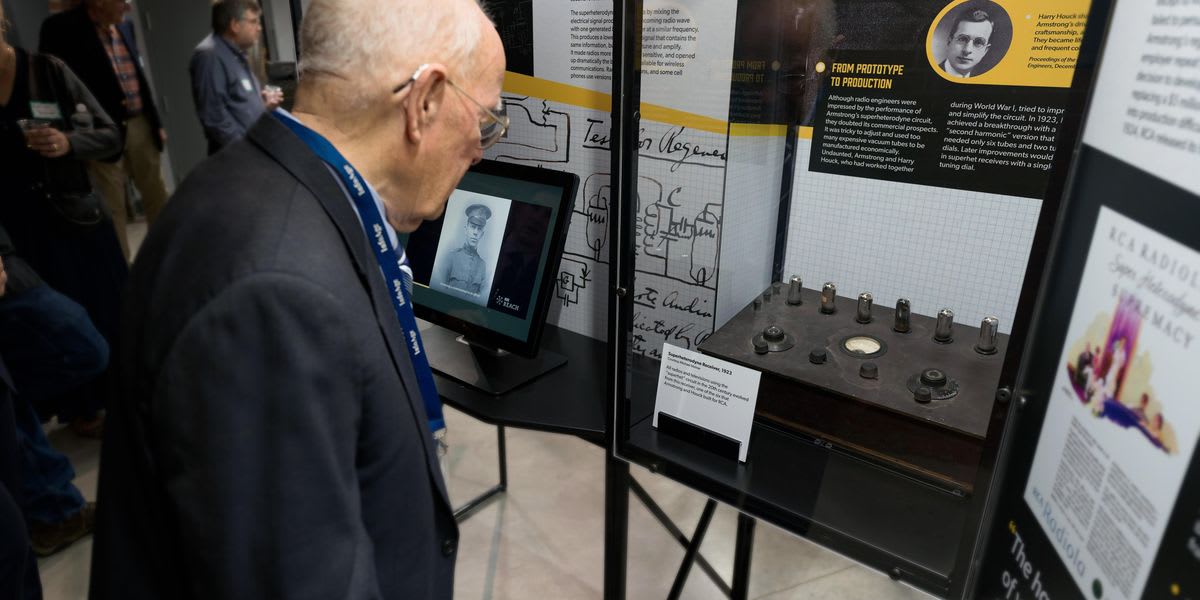
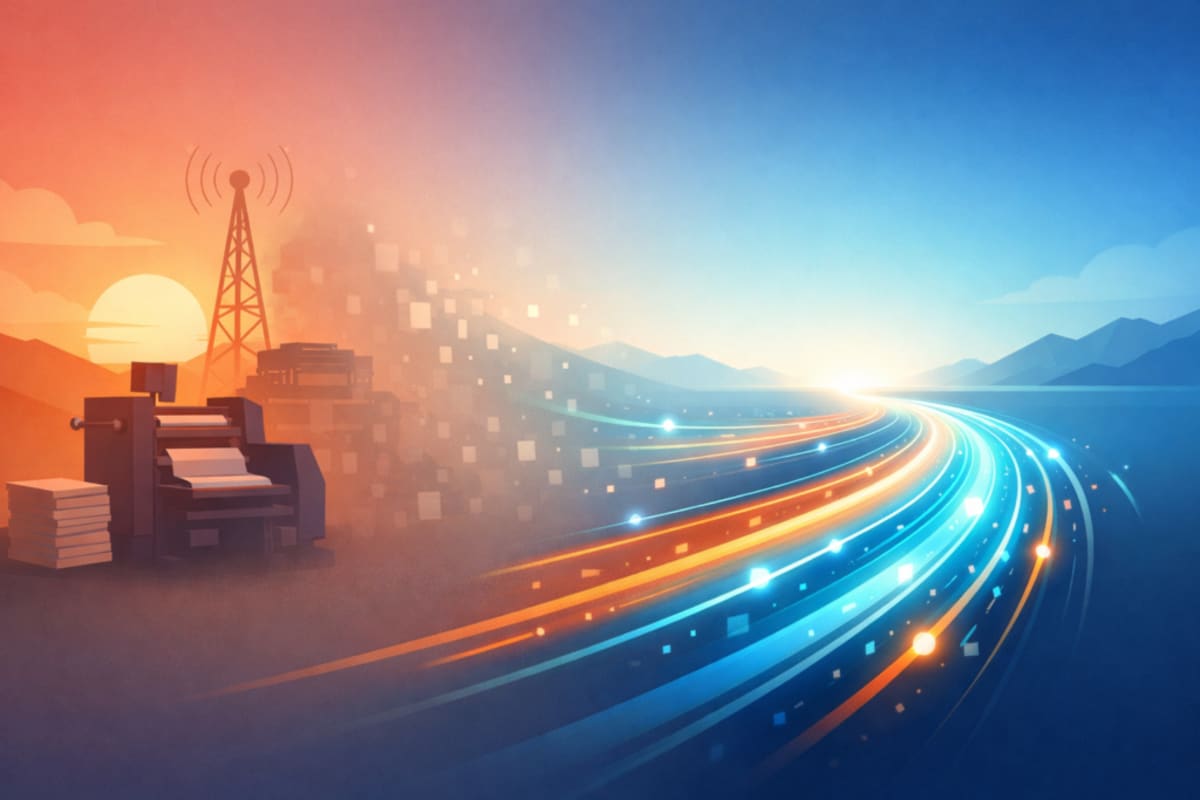
This mirrors what happened a century ago when radio first arrived. Before widespread broadcasting, most people lived in small information bubbles where news traveled slowly and voices from distant places rarely reached everyday life. Radio changed that almost overnight, suddenly making the world feel larger.
The Ripple Effect
What's happening in the Berkshires matters beyond five small Massachusetts towns. When communication tools become accessible to individuals and small communities, more people can participate in cultural life instead of just consuming it.
The region already shows this spirit. Musicians perform in intimate venues. Artists open their studios. Writers read their work in libraries and community halls. Now technology lets these local moments find audiences who care, wherever they live.
The boundaries between journalism, broadcasting, and cultural expression are dissolving. A single idea can now travel through multiple forms, gathering strength and nuance with each transformation. What starts as a written reflection might become a radio conversation, then a community gathering, then new art.
This isn't about replacing human creativity with technology. Lieberman uses AI tools to explore structure and test phrasing while writing, but the thinking remains distinctly human. The technology simply expands what's possible, just as radio did generations ago.
Small communities no longer need to choose between staying hyperlocal or losing their distinct voice to reach broader audiences. They can do both, creating rich cultural experiences that travel far while staying rooted in specific places.
The tools that make this possible will only get better, opening doors we haven't imagined yet.
More Images
Based on reporting by Google News - Innovation Technology
This story was written by BrightWire based on verified news reports.
Spread the positivity!
Share this good news with someone who needs it