Small Manitoba Museum 3D Prints 9-Metre Dinosaur Skeleton
A tiny four-person team in Manitoba is 3D printing a massive 9-metre marine dinosaur that sat in storage for 40 years. They're saving $120,000 by doing it themselves with five printers running nonstop for months.
A fossil that waited nearly five decades for its moment is finally getting the spotlight, thanks to determination and some very busy 3D printers.
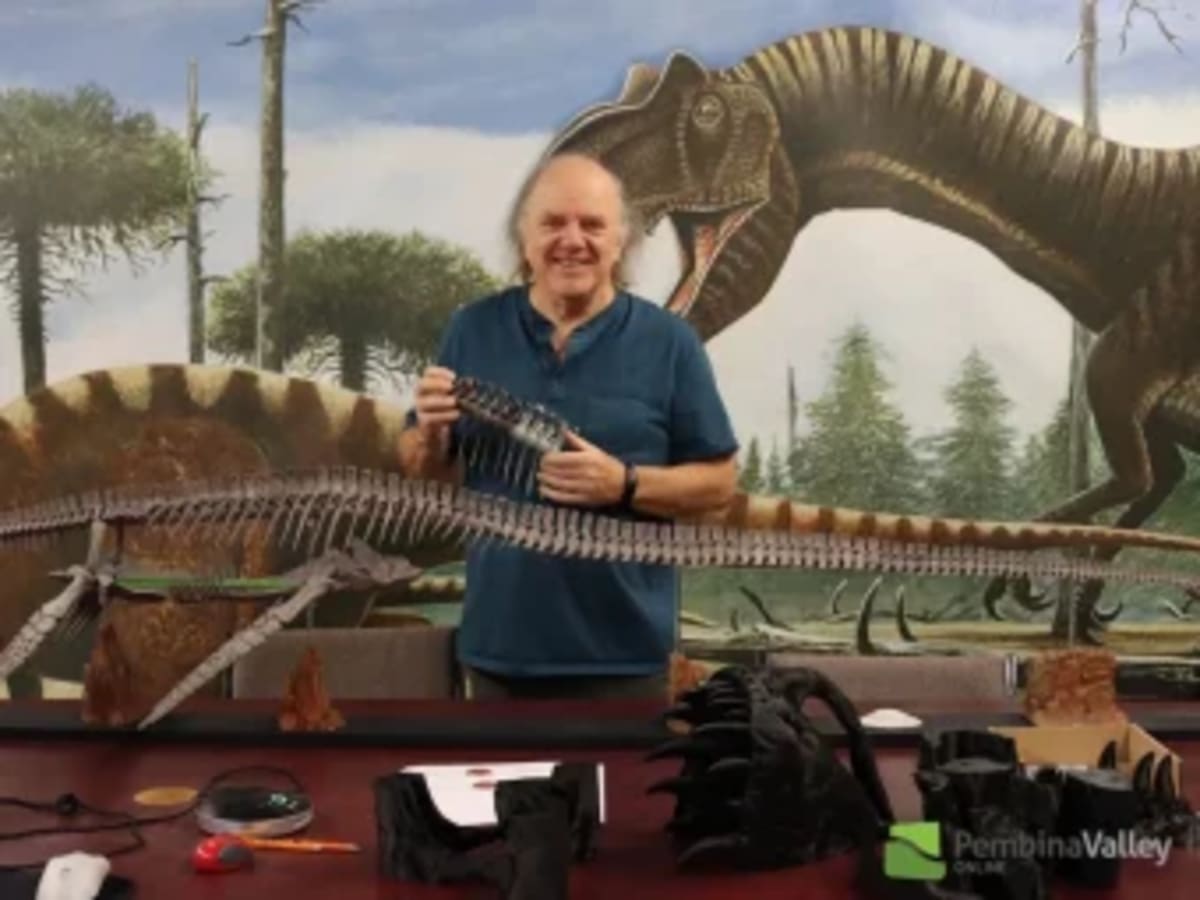
The Canadian Fossil Discovery Centre in Morden, Manitoba, is reconstructing a massive 9-metre Styxosaurus skeleton using 3D printing technology. The long-necked marine plesiosaur, discovered in 1983 on a farm near Miami, Manitoba, has been sitting in museum storage ever since.
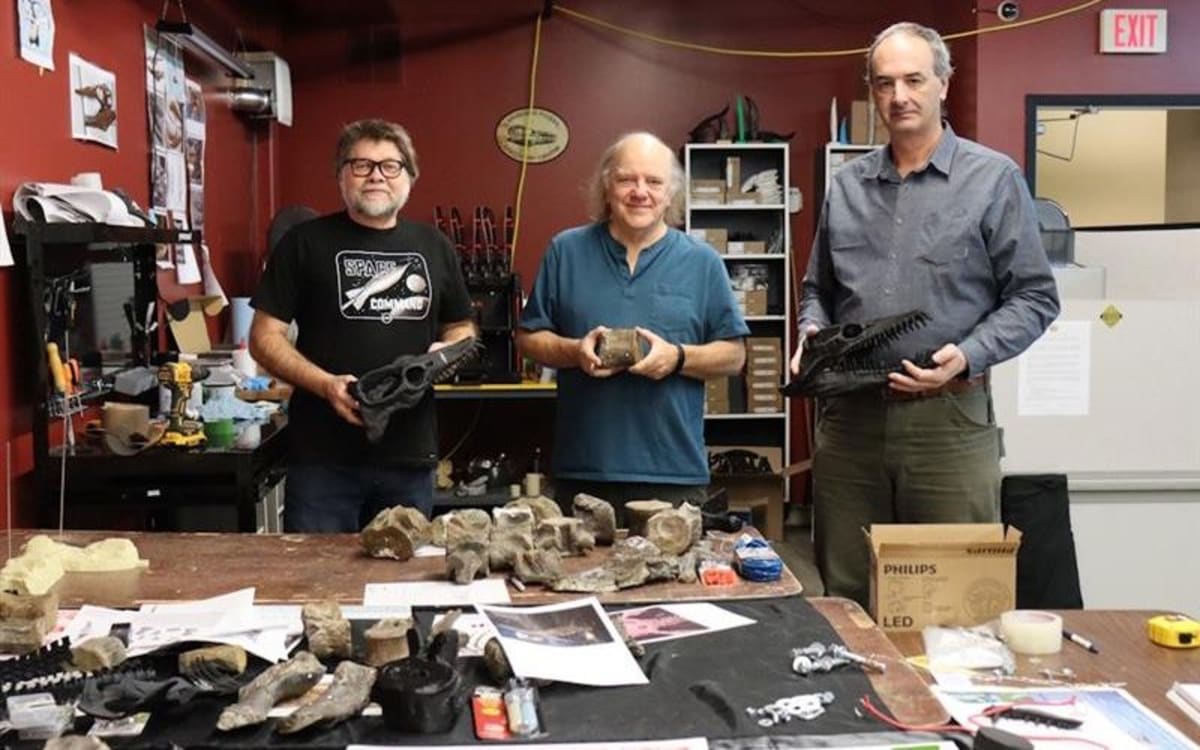
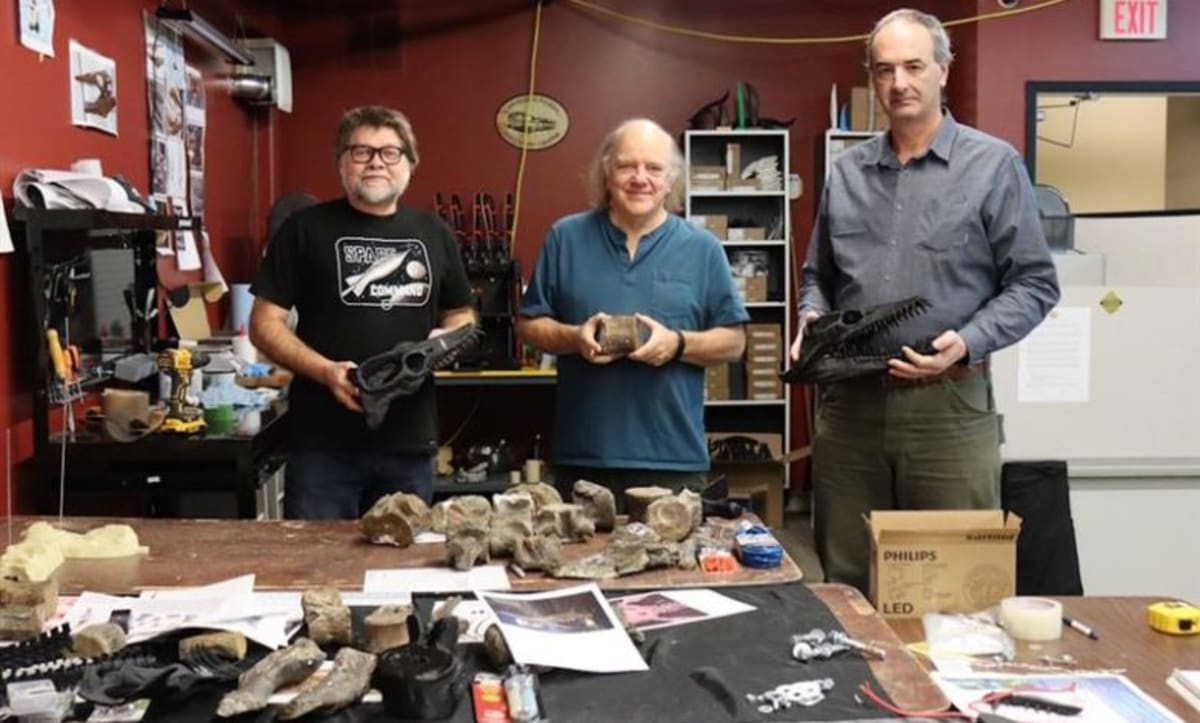
Just four people are making it happen: two employees and two volunteers. Lab technician Gerry Peters and volunteer Will Kalinowski handle texturing and painting. Volunteer Ted Nelson manages five 3D printers that have been running continuously for three months. Executive Director Adolfo Cuetara oversees design, welding, and structural support.
The team is tackling a job that most museums won't attempt in-house. Hiring external reconstruction services would have cost around $120,000. Instead, they invested in equipment and countless hours of their own time.
The process involves scanning fossil pieces, identifying missing parts, digitally rebuilding them, and preparing files for printing. Once printed, each piece needs steel brackets welded inside for support. Then comes the painstaking work of adding textures and colors to match the original bones.
The specimen is so large it doesn't fit in the museum's workspace. The team designed a special corner-mount solution to display it properly.
Why This Inspires
Ted Nelson, whose background spans geology and computer science, calls the work "all-encompassing and consuming." He spends enormous amounts of time on it but says he enjoys keeping his mind nimble with the challenge.
The CFDC holds Canada's largest collection of marine reptile fossils. Rather than letting precious specimens gather dust in storage, they're finding creative ways to share them with the world.
"We want to reconstruct and display our own specimens, and that's why we acquire all this equipment, and why we are making this huge effort," Cuetara explained.
The team plans to unveil the completed Styxosaurus in late March or early April inside a glass display case with a painted backdrop and interpretive panels.
After 40 years in the dark, this ancient ocean giant will finally swim again.
More Images

Based on reporting by Google: fossil discovery
This story was written by BrightWire based on verified news reports.
Spread the positivity!
Share this good news with someone who needs it