Sony's Ping Pong Robot Beats Pro Players in AI Milestone
A robot named Ace just defeated professional table tennis players using artificial intelligence, proving machines can now compete with elite athletes in physical sports. Even an Olympic player admitted Ace pulled off shots he thought were impossible.
A paddle-wielding robot is now good enough at ping pong to beat the pros, and it's opening new doors for how AI can work in the real world.
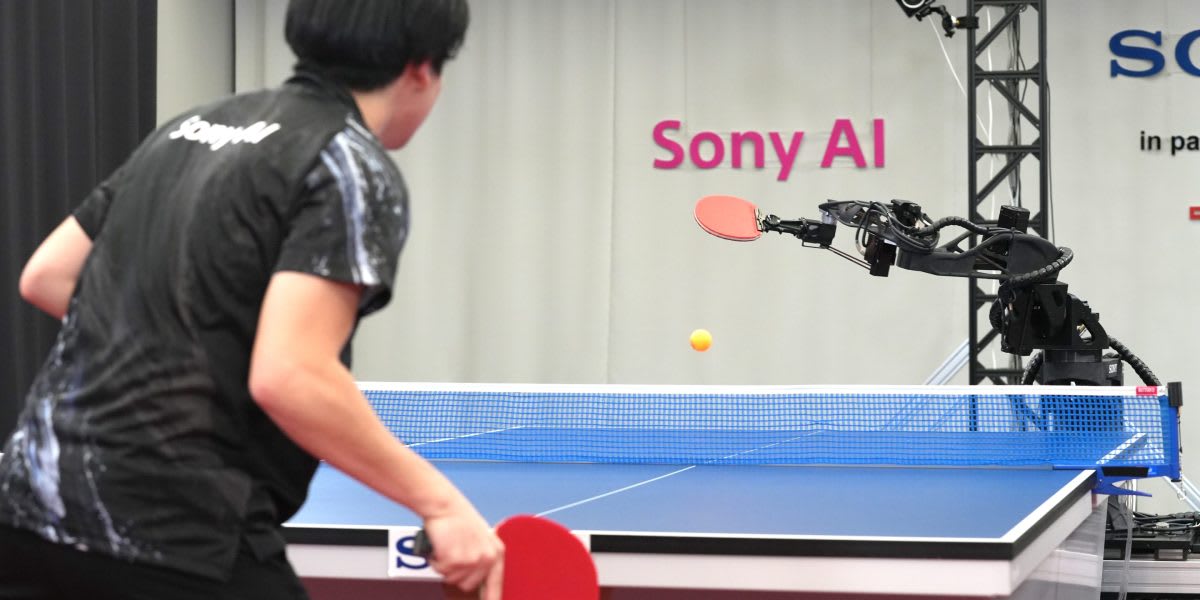
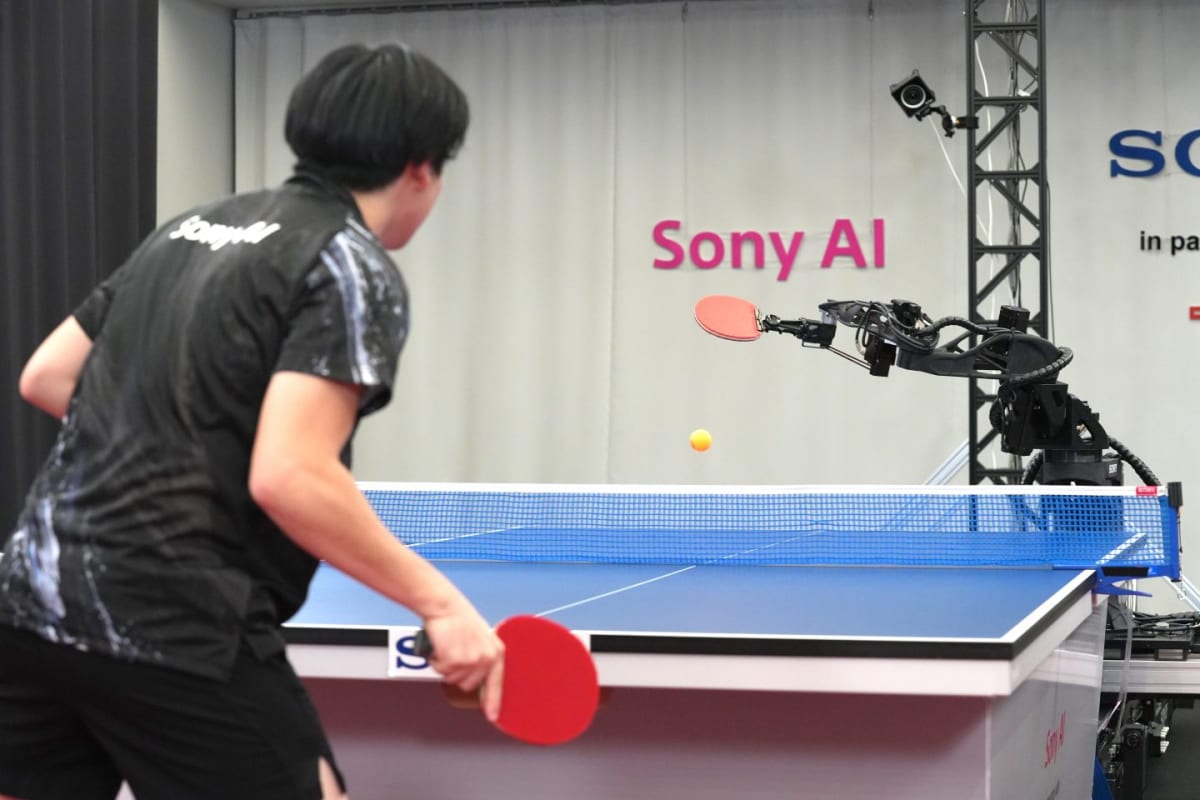
Sony built Ace, a robotic arm with eight joints and nine cameras positioned around a full-size Olympic table tennis court in Tokyo. The company pitted its creation against professional athletes in matches judged by officials from the Japanese Table Tennis Association. Ace won against all but one of the elite players it faced.
The robot learned the sport through reinforcement learning, the same AI method that helps computers master complex tasks through practice. Peter Dürr, a Sony AI researcher who co-authored the study published in the journal Nature, said there's simply no way to hand-program a robot to play table tennis. It has to learn from experience, just like humans do.
What makes this breakthrough special is that Ace plays fair. The researchers deliberately limited the robot's speed and reach to match what a skilled human athlete could do. It follows official table tennis rules and can't just overpower opponents with superhuman reflexes.
"It's very easy to build a superhuman table tennis robot," said Michael Spranger, president of Sony AI. "But the goal is to win really at the level of AI and decision-making and tactics and skill."
Professional Japanese player Minami Ando was among those who competed against Ace. Kinjiro Nakamura, who played in the 1992 Barcelona Olympics, watched Ace execute a shot and said no human would have been able to pull it off. But now that the robot proved it was possible, he added, maybe humans could learn to do it too.
The Ripple Effect
This achievement reaches far beyond the ping pong table. Spranger calls 2024 a "ChatGPT moment for robotics," with new AI approaches teaching robots to navigate real-world environments and handle physically demanding tasks.
Speed and adaptability in changing environments have long been major challenges in robotics. Factory robots can move incredibly fast, but they repeat the same motions over and over in controlled settings. Ace shows that robots can now compete in unpredictable, fast-paced situations where every rally is different.
The technology could transform manufacturing and other industries where robots need to respond quickly to changing conditions. Engineers are teaching machines not just to follow instructions, but to make split-second decisions and adapt their strategies on the fly.
While AI has conquered board games like chess and dominated video game worlds, moving from simulated environments to the physical world has always been the ultimate test. Ace just passed that test with flying colors, proving that the future of human-robot collaboration might be closer than we think.
More Images



Based on reporting by Google News - AI Breakthrough
This story was written by BrightWire based on verified news reports.
Spread the positivity!
Share this good news with someone who needs it