Smart Sensors Bring Aging Hydropower Plants Into Digital Era
A new EU project is giving hydropower plants a high-tech upgrade with smart sensors that predict problems before they happen. The breakthrough could modernize thousands of aging plants worldwide while protecting water quality and wildlife.
Hydropower plants around the world are getting a technological makeover that could transform how we generate clean energy for decades to come.
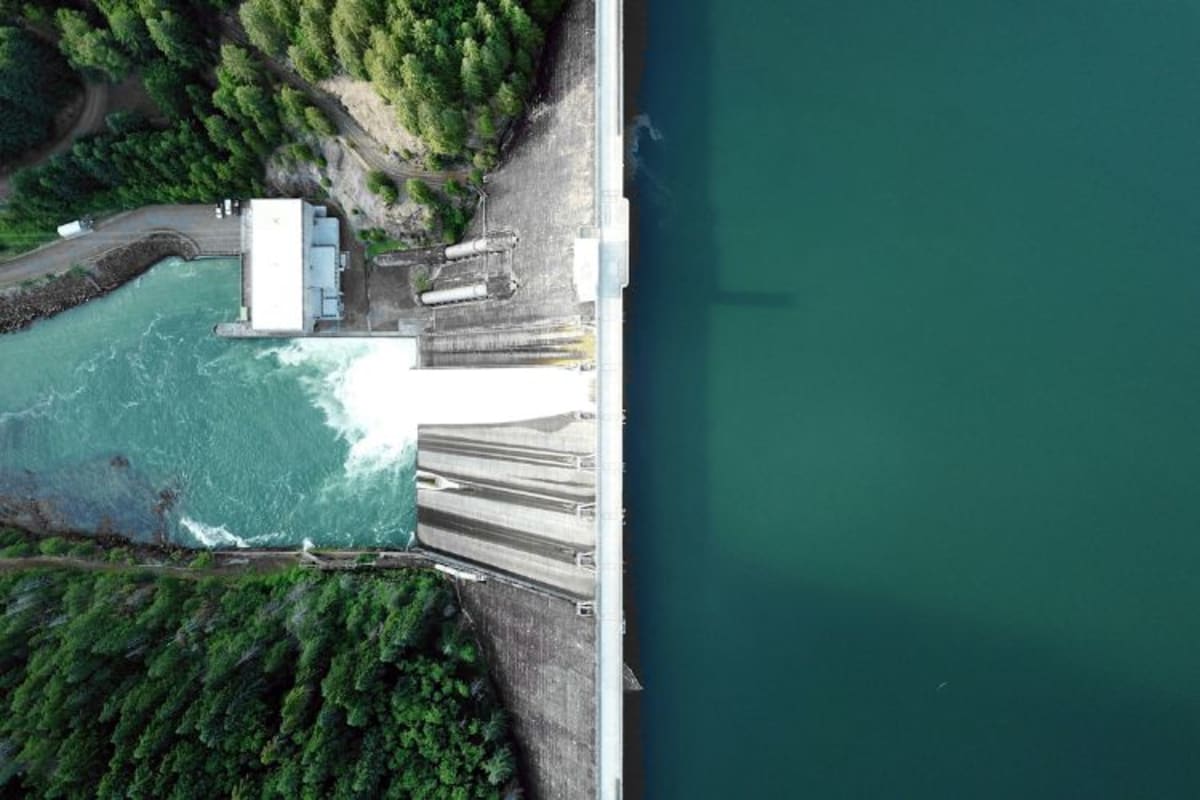
The Di-Hydro project, funded by the European Union, is tackling a massive challenge: most hydropower plants are decades old and desperately need modernization. In Europe, the average plant is over 40 years old. In the United States, that number jumps to 64 years.
Researchers have developed smart sensor systems that act like an early warning system for aging equipment. These affordable devices can detect tiny cracks, vibrations, and other problems in machinery before they become expensive failures. The sensors monitor everything from rotating turbines to massive water pipes, catching issues that previously went unnoticed until something broke down.
The first system uses acoustic technology to literally listen for trouble. When materials crack or deform under stress, they emit sound waves the sensors can detect. Paired with temperature, humidity, and motion sensors, the system provides a complete health check for critical equipment. All the data uploads automatically to the cloud, where operators can track trends and schedule maintenance before problems escalate.
The technology has already been installed at the Ilarionas hydropower plant in Greece, monitoring drainage pumps and pipes that never had this level of oversight before. The real-time alerts help operators stay ahead of potential failures that could shut down power generation.
But the innovation goes beyond just machinery. A second set of sensors monitors water quality and environmental health in reservoirs. This matters because stagnant water behind dams can develop layers with different temperatures and oxygen levels, creating conditions for algae blooms that harm aquatic life and can even clog power systems.
These "green soup" algae blooms don't just threaten wildlife. They can completely halt electricity generation and contaminate drinking water supplies that millions of people depend on.
The Ripple Effect
The breakthrough comes at a crucial time. As the world shifts toward renewable energy to fight climate change, we need every hydropower plant running at peak efficiency. These aging facilities represent enormous untapped potential if they can be modernized without complete rebuilds.
The sensor systems cost far less than replacing entire plants and can be installed without major construction. That means hundreds of facilities could get smarter monitoring within years, not decades. Better maintenance means more reliable clean energy flowing to homes and businesses.
The environmental monitoring also protects ecosystems and water supplies that communities rely on. By catching water quality problems early, operators can adjust water flows to prevent algae blooms and maintain healthy oxygen levels for fish and other aquatic life.
Smart technology is proving that old infrastructure doesn't have to be replaced to work like new again.
Based on reporting by Renewable Energy World
This story was written by BrightWire based on verified news reports.
Spread the positivity!
Share this good news with someone who needs it