Smartwatches Could Predict Your Illness Days Before Symptoms
Genome researcher Michael Snyder believes the smartwatch on your wrist could soon predict when you're getting sick before you even feel it. His research shows wearable health devices are transforming medicine from reactive treatment to predictive prevention.
Imagine your smartwatch alerting you that you're getting sick three days before you feel the first sniffle.
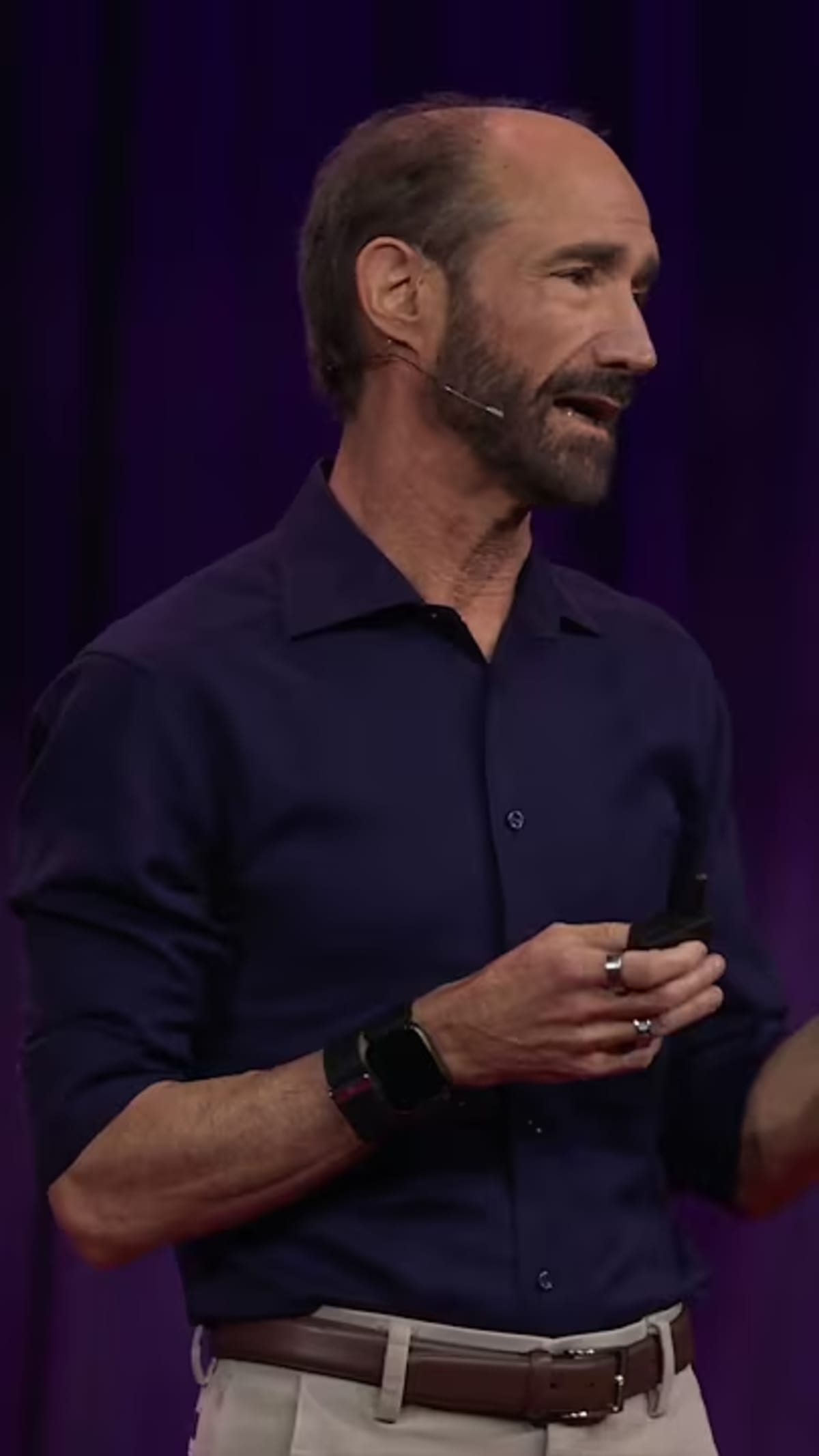
Genome researcher Michael Snyder isn't imagining it. He's living it, wearing eight health tracking devices every single day to prove wearables can revolutionize how we approach medical care.
Snyder's passion for health wearables comes from real results he's seen in his research at Stanford. These devices, from smartwatches to continuous glucose monitors, collect constant data about heart rate, sleep patterns, activity levels, and metabolic changes that can reveal health problems before traditional symptoms appear.
The shift represents a fundamental change in healthcare philosophy. Instead of waiting until we feel sick to visit a doctor, wearables could alert us to subtle changes in our bodies that signal brewing infections, inflammation, or chronic conditions developing.
The technology has already proven its worth in diabetes prevention. Continuous glucose monitors can catch blood sugar irregularities years before someone would typically be diagnosed with prediabetes, giving people time to make lifestyle changes that prevent the disease entirely.
Snyder's vision extends beyond catching illnesses early. He believes these devices will help doctors move from treating diseases after they happen to stopping them before they start, fundamentally changing the patient experience from reactive to proactive.
The data collected creates a personalized health baseline for each person. When your wearable knows your normal patterns, it can spot the abnormal much faster than waiting for you to notice something feels off.
Why This Inspires
This technology democratizes health monitoring in a powerful way. The same smartwatch people use to count steps and check messages could become their first line of defense against serious illness, no medical degree required.
For people managing chronic conditions or those worried about family health histories, wearables offer peace of mind through constant, passive monitoring. The technology works in the background while you live your life, only speaking up when something needs attention.
The future Snyder envisions puts health insights literally at our fingertips, empowering people to take charge of their wellness in ways never before possible.
Your next health breakthrough might start with a glance at your wrist.
Based on reporting by TED
This story was written by BrightWire based on verified news reports.
Spread the positivity!
Share this good news with someone who needs it