Smithsonian Celebrates 180 Years of Free Museums for All
The Smithsonian Institution marks 180 years since a British scientist who never visited America donated his fortune to build the world's largest museum complex. Today, 19 free museums in Washington DC welcome millions of visitors annually, proving knowledge should be accessible to everyone.
📺 Watch the full story above
A man who never set foot in America gave it one of its greatest gifts 180 years ago today.
British scientist James Smithson bequeathed $500,000 in 1846 to create "an establishment for the increase and diffusion of knowledge" in Washington DC. On August 10 of that year, Congress chartered what would become the Smithsonian Institution, launching a legacy that continues to inspire millions.
Today, the Smithsonian operates 19 museums and the National Zoo across the nation's capital. Its collection contains 1.43 million items ranging from Dorothy's ruby slippers to priceless historical artifacts. Every single one is free to visit.
That free admission policy remains the institution's most democratic feature. Families can explore American history, natural wonders, air and space technology, and world cultures without spending a dime. No tickets, no barriers, just open doors to learning.
The funding model reflects Smithson's original vision of knowledge as a public good. While 62% of revenue comes from federal appropriations and grants, the rest flows from private donations, memberships, and endowments. This blend ensures financial stability while keeping admission free.
Why This Inspires
In an age where nearly everything costs money, the Smithsonian stands as a reminder that some treasures belong to everyone. A child from any background can stand before the Hope Diamond, marvel at moon rocks, or trace their heritage through immigrant stories without their family worrying about ticket prices.
The institution has also pioneered preservation techniques that protect cultural treasures for future generations. Recent work on the 80-year-old Wizard of Oz ruby slippers showcases how the Smithsonian doesn't just display history but actively saves it.
James Smithson died in 1829, seventeen years before his vision became reality. He never explained why he chose America for his legacy, but his gift speaks across centuries about the power of accessible education.
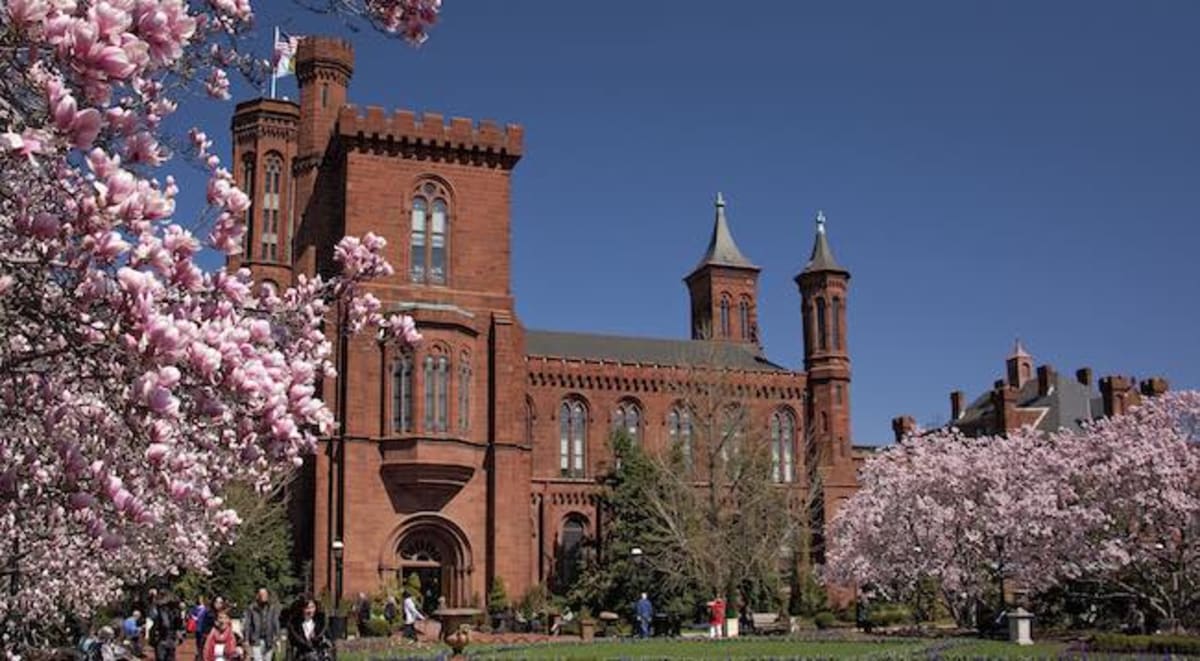
Today, over 30 million people visit Smithsonian museums each year, making it the world's largest museum and research complex. From the original castle-like building on the National Mall to modern facilities housing cutting-edge research, the institution continues expanding what public knowledge can mean.
Smithson's gamble on a country he never visited paid off in ways he could never have imagined, proving that investing in human curiosity always yields returns.
More Images




Based on reporting by Good News Network
This story was written by BrightWire based on verified news reports.
Spread the positivity!
Share this good news with someone who needs it