Smithsonian Returns 3 Stolen Hindu Sculptures to India
Three ancient bronze sculptures stolen from Tamil Nadu temples in the 1950s are finally going home after researchers matched them to old photographs. The Smithsonian's National Museum of Asian Art confirmed the sacred Hindu images were illegally removed and sold with falsified documents.
After decades away from home, three sacred Hindu sculptures are returning to India thanks to detective work by museum researchers and old photographs that proved they were stolen.
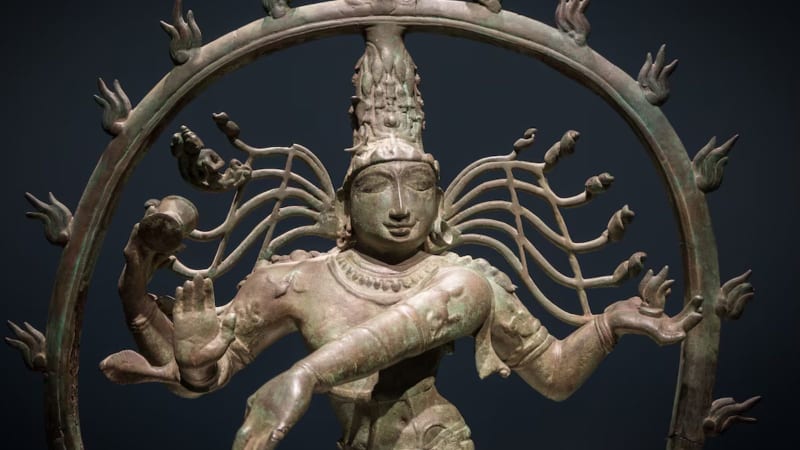
The Smithsonian's National Museum of Asian Art in Washington will return the bronze statues to the Indian government after confirming they were illegally taken from temples in Tamil Nadu. The sculptures include a 12th-century Somaskanda, a 16th-century Saint Sundarar With Paravai, and a stunning Shiva Nataraja from around 990 AD.
The breakthrough came from an unexpected source. Photographs taken by the French Institute of Pondicherry in the 1950s showed these exact sculptures inside Tamil Nadu temples between 1956 and 1959. Under Indian law, these "in situ" images serve as proof of theft when items later appear in international art markets.
Museum researchers worked with the Photo Archives of the French Institute of Pondicherry in 2023 to match the bronzes to the old photographs. The Archaeological Survey of India reviewed the findings and confirmed the sculptures had been removed illegally.
The investigation revealed troubling details about how these sacred objects traveled halfway around the world. The Shiva Nataraja, photographed at the Sri Bhava Aushadesvara Temple in Tirutturaippundi Taluk in 1957, was later acquired by the Smithsonian in 2002 from New York's Doris Wiener Gallery. Researchers discovered that documentation provided by the gallery to support the sale was falsified.
The Ripple Effect
This homecoming represents more than just three sculptures returning to their rightful place. It signals a growing global commitment to correcting historical wrongs in the art world. Museums worldwide are investing in provenance research teams dedicated to uncovering the true origins of their collections.
The National Museum of Asian Art's director Chase Robinson emphasized the institution's commitment to ethical museum practice and transparency. His team's rigorous research process sets an example for other institutions holding potentially stolen cultural artifacts.
The collaboration involved countless individuals and organizations working across continents. From photo archivists in Pondicherry to Indian government officials to museum researchers in Washington, this effort shows what's possible when institutions prioritize doing the right thing over protecting their collections.
India has worked with museums and countries worldwide to recover stolen cultural heritage in recent years. Just recently, the UK returned a 12th-century Buddha statue that had been stolen nearly 60 years ago.
In a gesture of goodwill, the Indian government is allowing the museum to continue displaying the Shiva Nataraja on long-term loan so visitors can still appreciate its beauty and craftsmanship while understanding its true story.
These sacred sculptures will soon stand again in their homeland, where they belong.
Based on reporting by Indian Express
This story was written by BrightWire based on verified news reports.
Spread the positivity!
Share this good news with someone who needs it