Snack Giant Cuts 1,000 Tons of Virgin Plastic Yearly
Mondelēz International, maker of Oreo and Cadbury, now uses up to 80% recycled plastic in packaging across Europe. The change saves 1,000 tons of new plastic every year and proves large-scale sustainable packaging actually works.
The company behind your favorite chocolate bars and cookies just made a massive shift toward sustainability without you even noticing.
Mondelēz International has successfully transitioned its European packaging lines to use recycled plastic, eliminating 1,000 tons of virgin plastic annually. The manufacturer of Oreo, Cadbury, and Milka has rolled out this change across facilities in the UK, France, Spain, Germany, Austria, and Switzerland.
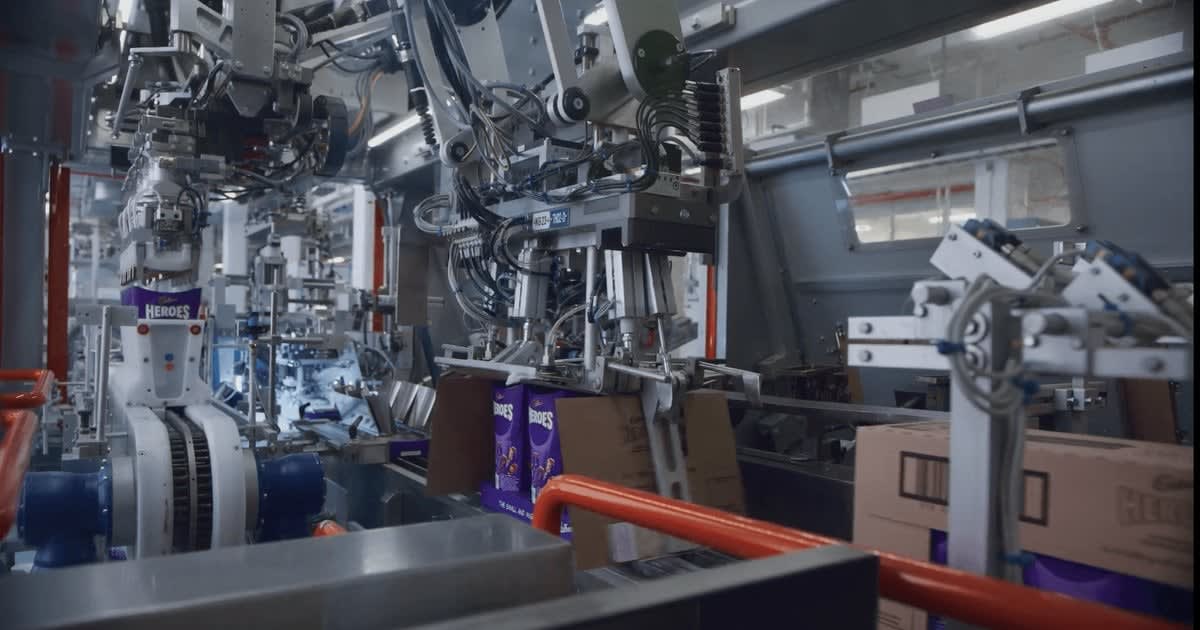
The transformation involved updating manufacturing equipment to handle rigid plastic trays containing roughly 80% recycled content. Production lines now process these recycled materials without compromising speed or food safety standards.
The company uses two recycling methods to achieve food-grade quality. Mechanical recycling provides the recycled plastic for rigid trays used in boxed chocolates like Milka Pralines and biscuit packaging for brands like Chips Ahoy. Chemical recycling breaks down old plastics into molecular building blocks, creating replacement materials that meet strict food contact requirements.
Cadbury Dairy Milk wrappers in the UK started incorporating 30% chemically recycled content back in 2022. By 2025, those same wrapping lines upgraded to handle flexible materials with 80% recycled plastic.
The changes required significant adjustments to factory equipment and processes. Thermoforming machines needed modifications to handle the different properties of recycled resins. The company also removed color pigments from packaging designs, which improves sorting at recycling facilities and simplifies manufacturing.
The Ripple Effect
Mondelēz's success demonstrates that major food manufacturers can adopt circular packaging at scale. As Extended Producer Responsibility regulations tighten across Europe, this operational blueprint shows other companies how to meet upcoming requirements.
The investment extends beyond factory floors. In Germany, Mondelēz is embedding digital watermarks into Philadelphia cream cheese tubs as part of the HolyGrail 2.0 initiative. These invisible codes help sorting machines at recycling plants identify packaging materials more accurately, increasing the yield of high-quality recycled plastic for future use.
Pilot programs in Germany, Belgium, the Nordics, and the UK are testing ways to create true closed-loop systems where packaging waste becomes new packaging. These partnerships with suppliers and recycling facilities are turning the circular economy concept into daily manufacturing reality.
Catherine Burgeat, Sustainability Senior Director for Europe at Mondelēz, confirms this represents a permanent shift in how the company sources materials. Working closely with supply chain partners has transformed sustainability goals into operational standards that reduce dependence on fossil fuel-based virgin plastics.
Your next Oreo package might already be part of this quiet revolution in sustainable manufacturing.
More Images

Based on reporting by Google News - Plastic Reduction
This story was written by BrightWire based on verified news reports.
Spread the positivity!
Share this good news with someone who needs it