Snake Robots Help Search Venezuela Earthquake Rubble
When two earthquakes devastated Venezuela, Carnegie Mellon researchers rushed life-saving snake robots to search collapsed buildings for survivors. The innovative technology squeezed into tight spaces where humans and dogs couldn't reach, giving rescue teams new hope.
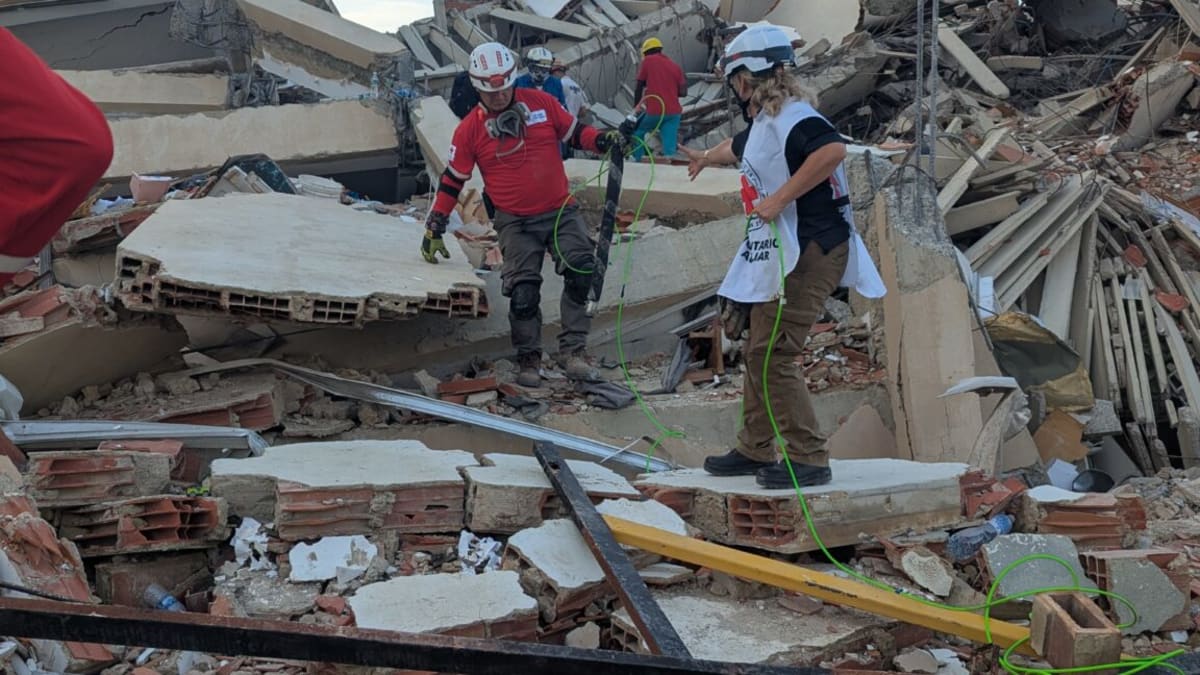
Within 24 hours of a desperate call for help, robotics researchers flew to Venezuela with three snake robots that could search where no human could go.
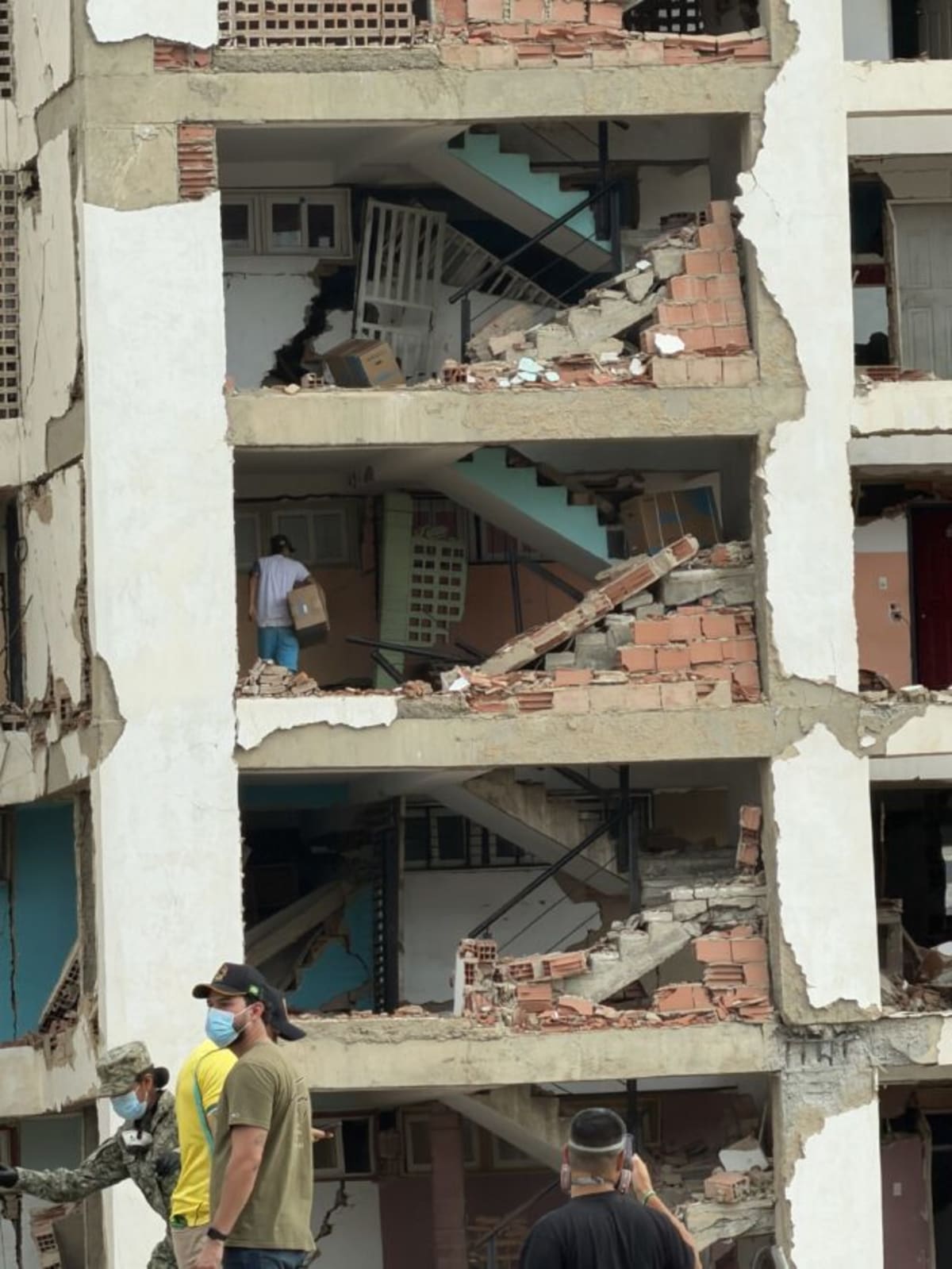
Two powerful earthquakes struck Venezuela on June 24, killing more than 5,000 people and trapping survivors beneath collapsed buildings. Traditional rescue methods using dogs and thermal cameras had limits in reaching deep into tightly packed rubble.
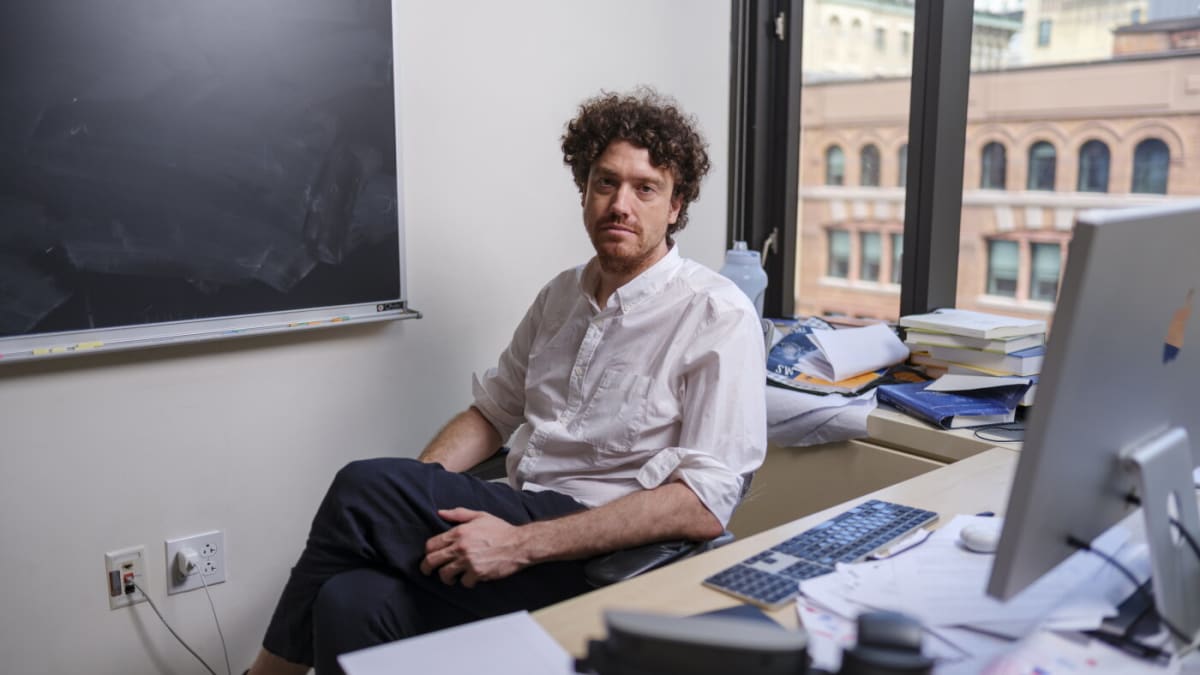
That's when Beatriz Gonzalez, a Venezuelan living in Atlanta, discovered Carnegie Mellon University's snake robots through an internet search. She called the lab, and researcher Howie Choset and his team said yes while literally standing onstage at a concert between Third Eye Blind and rapper Nelly.
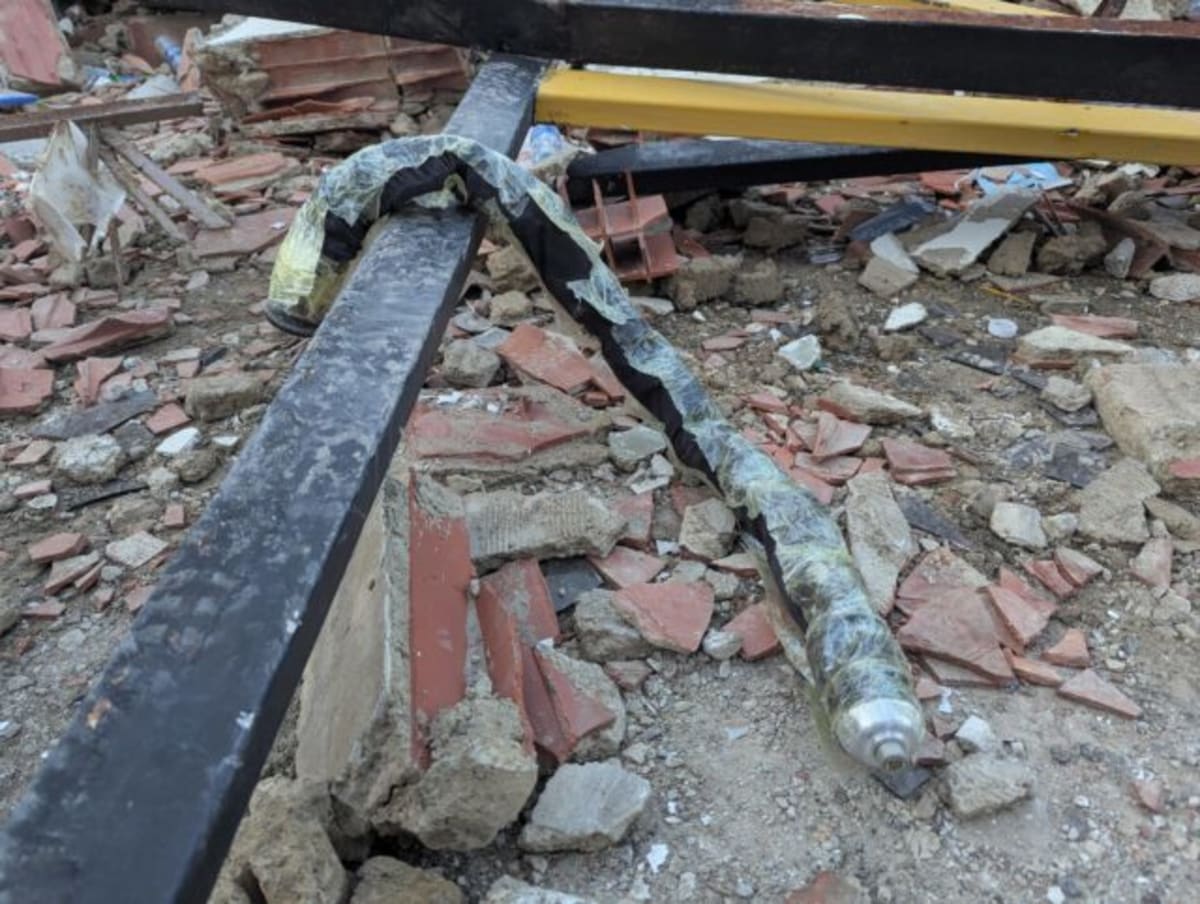
The 4-foot-long robots feature modular segments controlled by a video game controller. Software lets them autonomously coordinate their body movements to slither through spaces too dangerous or small for rescue workers. "You're doing minimally invasive surgery on a structure with a snake robot," Choset explained.
The team worked through the night replacing cameras and packing batteries. Finding a private jet proved challenging because of government restrictions, but Gonzalez used her connections to secure a flight. By June 30, they were on the ground in La Guaira, Venezuela's hard-hit northern city.
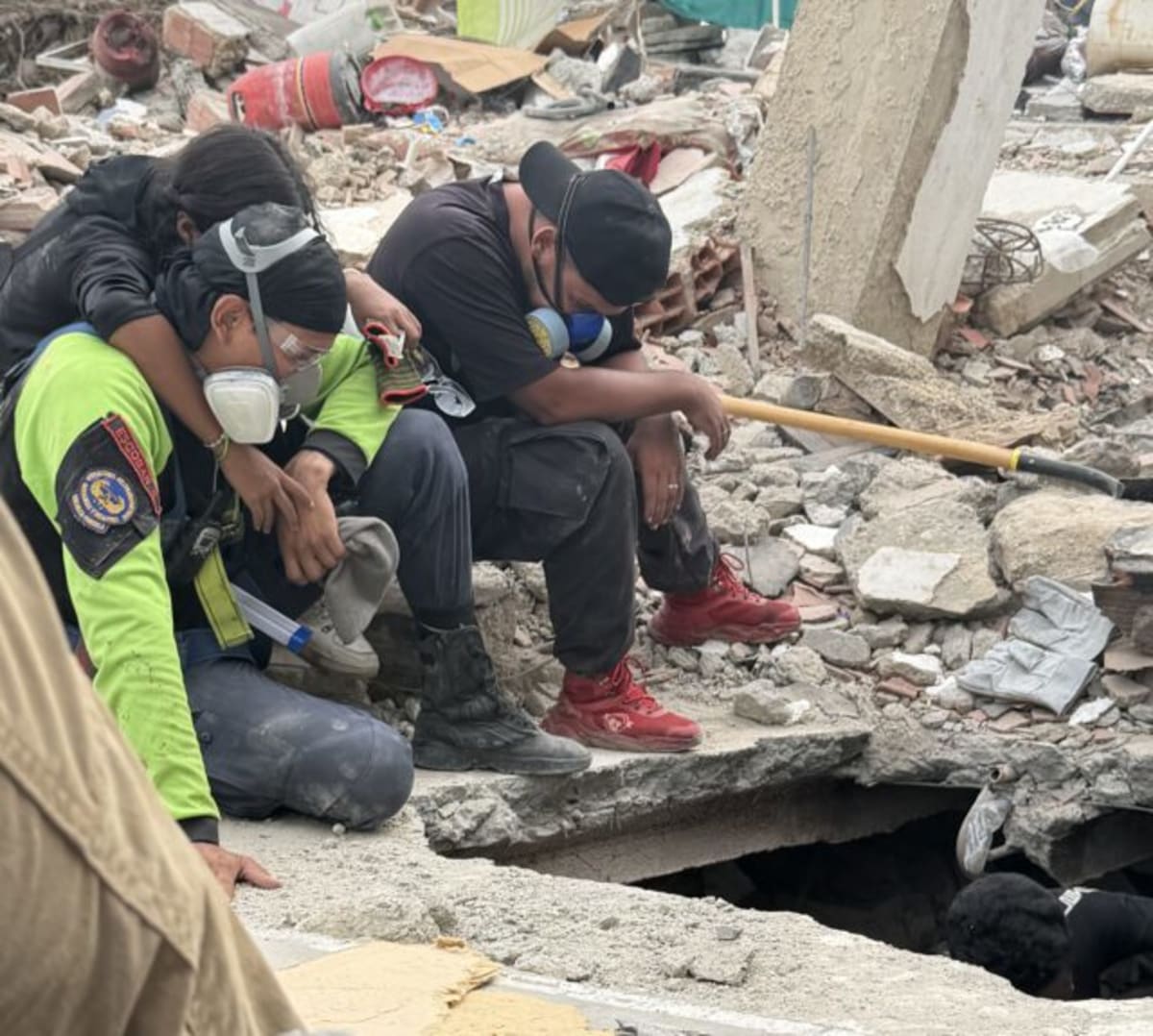
Over three days, the robots searched multiple collapsed buildings alongside international rescue teams. In one heart-wrenching case, a father waited while a snakebot descended 15 to 20 feet into rubble searching for his missing son. Though they didn't find the boy, the father thanked them for trying.
The Ripple Effect
The deployment showed how quickly innovation can mobilize for humanitarian crises. Nearly two decades of research into snake robots for archaeological exploration and medical procedures suddenly became a lifeline for desperate families.
Local Venezuelans constantly supplied the exhausted team with hot meals, sports drinks, and even pound cake. "They're showing this kind of love, this kind of affection for us while they're suffering a burden that no human should ever have to suffer," Choset recalled.
The robots gave rescue teams visual access to areas previously unreachable, extending their search capabilities safely. While the United Nations works to help 1.3 million people affected by the disaster, the Carnegie Mellon team proved that scientific innovation and human compassion can travel anywhere help is needed.
Sometimes the most advanced technology serves the most fundamental human need: never giving up on finding each other.
More Images

Based on reporting by Ars Technica
This story was written by BrightWire based on verified news reports.
Spread the positivity!
Share this good news with someone who needs it