SNAP Soda Ban Cuts Purchases 12% in 10 States
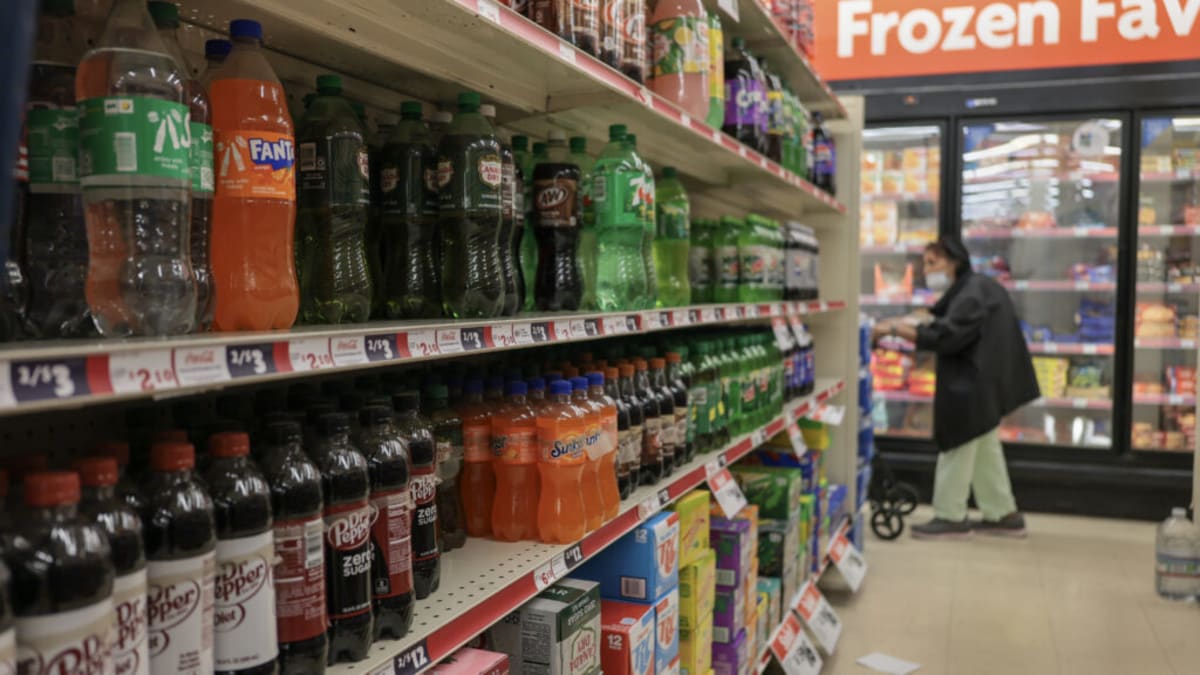
New restrictions on using food benefits for soda are working better than skeptics predicted. People receiving SNAP benefits bought 12% less soda after 10 states banned sugary drinks from the program.
When 10 states banned soda purchases through food assistance programs, economists warned people would just buy Coke with their own cash instead. A new study proves them wrong.
People receiving SNAP benefits bought 12% less soda after the restrictions took effect. That translates to 34 fewer cans of soda per person every year.
The drop might sound small, but researchers say it represents real progress. The study, published by the National Bureau of Economic Research, tracked actual purchasing behavior across millions of transactions.
These bans emerged from the Make America Healthy Again movement, which pushed states to remove sugary drinks and candy from approved SNAP purchases. Critics argued the restrictions would be pointless because people would simply shift their spending.
The Ripple Effect
This 12% reduction matters more than the number suggests. For families drinking multiple sodas daily, cutting out 34 cans annually reduces sugar intake without requiring willpower or education programs.
The findings also challenge assumptions about how people respond to policy changes. When healthier choices become the default option, behavior shifts even when workarounds exist.
Public health experts have long known that sugary drinks drive obesity, diabetes, and heart disease. But changing consumption patterns has proven incredibly difficult because soda companies spend billions on marketing and convenience.
State-level restrictions offer a new tool that works alongside education and awareness campaigns. The study shows that making it slightly harder to buy soda actually reduces consumption rather than just moving it to different payment methods.
The research hasn't been peer-reviewed yet, so scientists will scrutinize the methodology and conclusions. But the initial findings suggest that smart policy design can nudge people toward healthier habits without heavy-handed mandates.
Ten states have proven that modest restrictions can create measurable change. As more data emerges, other states may follow their lead in rethinking which foods deserve public funding support.
Small changes in daily habits add up to big differences in long-term health outcomes.
More Images



Based on reporting by STAT News
This story was written by BrightWire based on verified news reports.
Spread the positivity!
Share this good news with someone who needs it