Soil Fungus Could Replace Toxic Chemicals in Cloud Seeding
Scientists discovered a common soil fungus that creates proteins capable of freezing water at warmer temperatures than ever seen before. This breakthrough could transform weather modification by replacing toxic chemicals with natural, sustainable alternatives.
Imagine if we could make it rain without poisoning the environment.
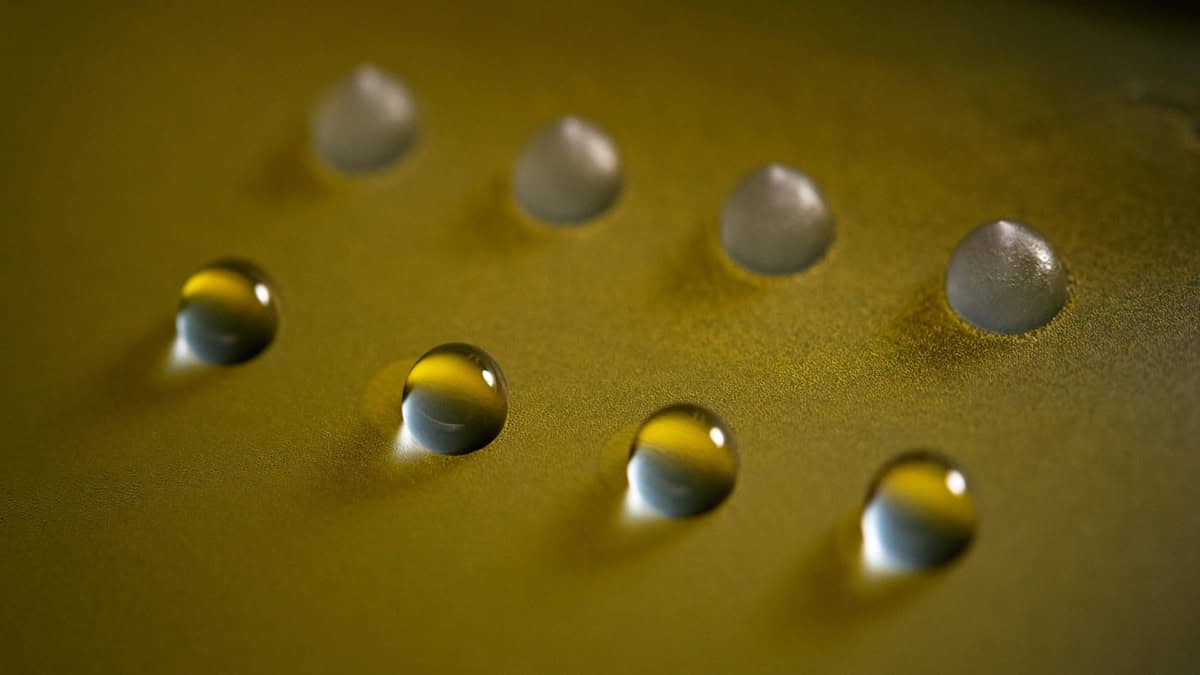
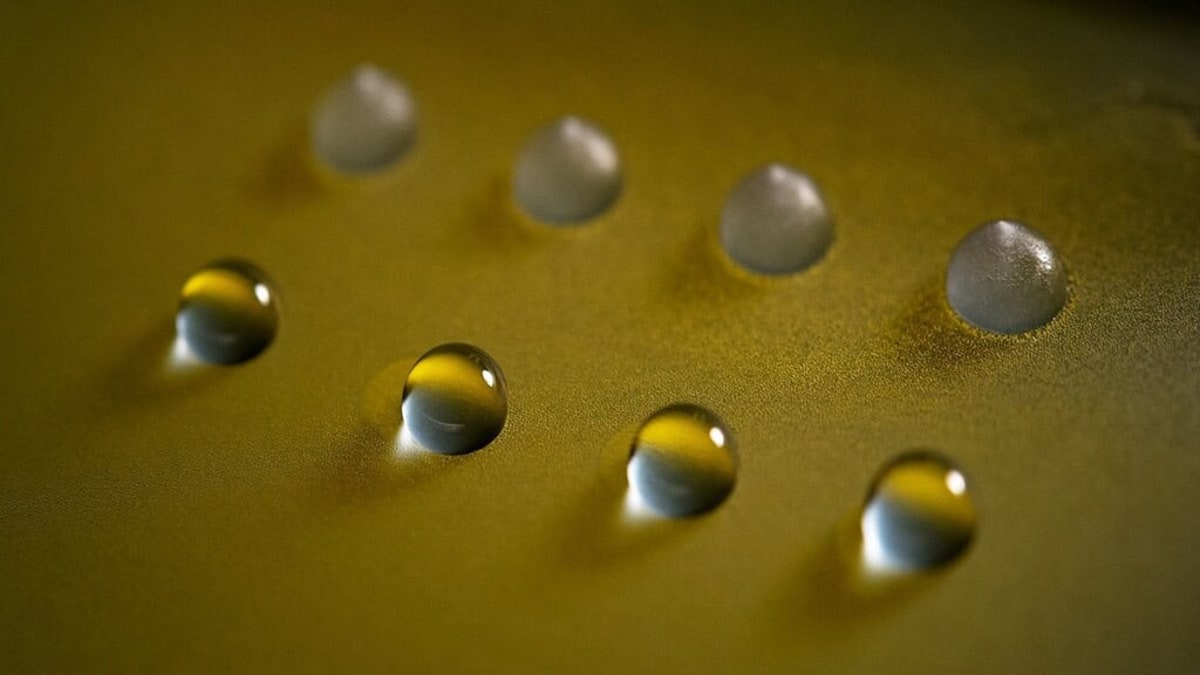
Scientists just discovered that a common soil fungus has been hiding a superpower all along. Researchers found that fungi from the Mortierellaceae family produce specialized proteins that can freeze water at temperatures as warm as negative 2 degrees Celsius (28.4 degrees Fahrenheit). That's remarkable because water typically needs to drop to negative 46 degrees Celsius to freeze on its own.
The discovery happened when an international research team was studying samples collected during polar expeditions. When they sequenced the fungal DNA, they found genes that looked strikingly similar to ice-making genes in bacteria. To test their theory, they inserted these genes into yeast and E. coli, and suddenly these organisms gained ice-making abilities they never had before.
Here's where the story gets even more interesting. Millions of years ago, an ancient fungal ancestor essentially stole the genetic blueprint from a neighboring bacterium through a process called horizontal gene transfer. "It is known that fungi can acquire genes from bacteria, but it's not something that is common," said Boris Vinatzer, an environmental scientist at Virginia Tech who co-authored the study.
But the fungi didn't just copy the bacteria. They improved the design by engineering proteins that work independently and can be secreted directly into the environment as free-floating molecules. Unlike bacterial ice nucleators that need the entire cell structure to function, these fungal proteins work completely on their own.
The Bright Side
For 80 years, weather modification has relied on silver iodide for cloud seeding. The chemical works well at triggering rain and snow, but it's highly toxic to the environment. These newly discovered fungal proteins offer a natural, sustainable alternative that could revolutionize how we manage water resources in drought-stricken regions.
The applications extend far beyond weather control. The frozen food industry could use these proteins to create better products without artificial chemicals. Climate scientists could refine their models by better understanding how natural ice formation affects cloud behavior and precipitation patterns worldwide.
Lead author Rosemary Eufemio, a biochemist at Boise State University, explained that fungi use the same basic architecture as bacteria but made their proteins more soluble and stable. This natural engineering makes them perfect for real-world applications where stability and efficiency matter most.
The research team continues working to understand exactly how these proteins function at the molecular level. Each new discovery brings us closer to harnessing nature's own solutions for some of our biggest environmental challenges.
Sometimes the answers we need have been growing quietly in the soil beneath our feet all along.
More Images
Based on reporting by Google News - Science
This story was written by BrightWire based on verified news reports.
Spread the positivity!
Share this good news with someone who needs it