Soil Microbes May Store More Carbon Than Scientists Thought
New research reveals soil microorganisms in productive ecosystems trap carbon far more efficiently than previously believed, offering fresh hope for natural climate solutions. The discovery could transform how we manage soils to fight climate change.
Scientists just uncovered surprisingly good news hiding in the dirt beneath our feet.
A groundbreaking study from the Chinese Academy of Sciences reveals that soil microbes in thriving ecosystems store carbon much more effectively than researchers assumed for decades. Published in Science Advances, the findings could reshape how we fight climate change using nature's own systems.
Soils already hold more carbon than our atmosphere and all vegetation combined. Tiny microorganisms act as the gatekeepers, deciding whether carbon stays locked underground or escapes back into the air as CO2.
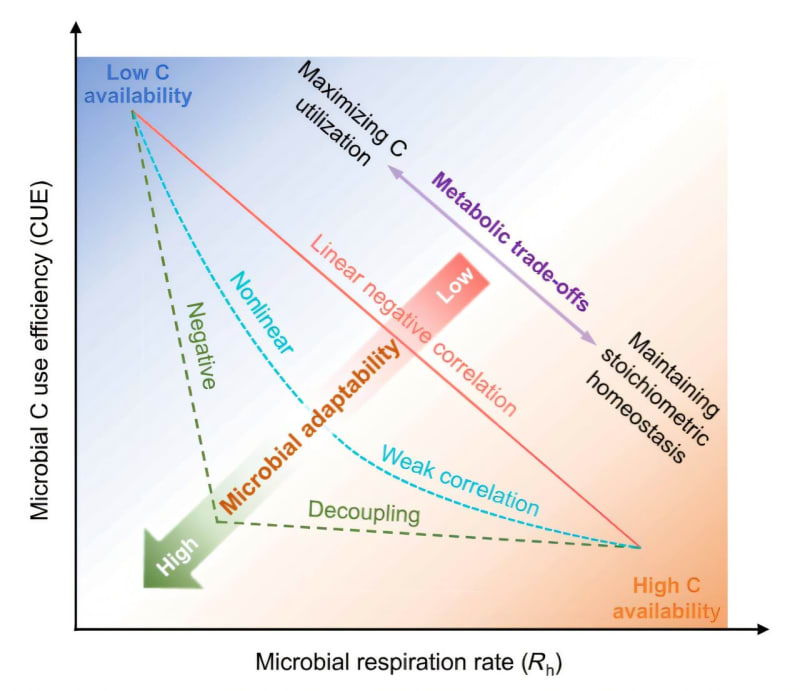
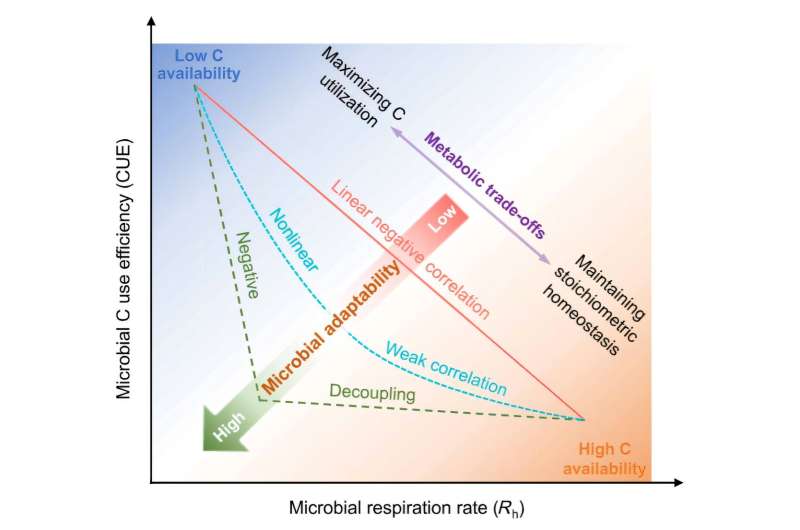
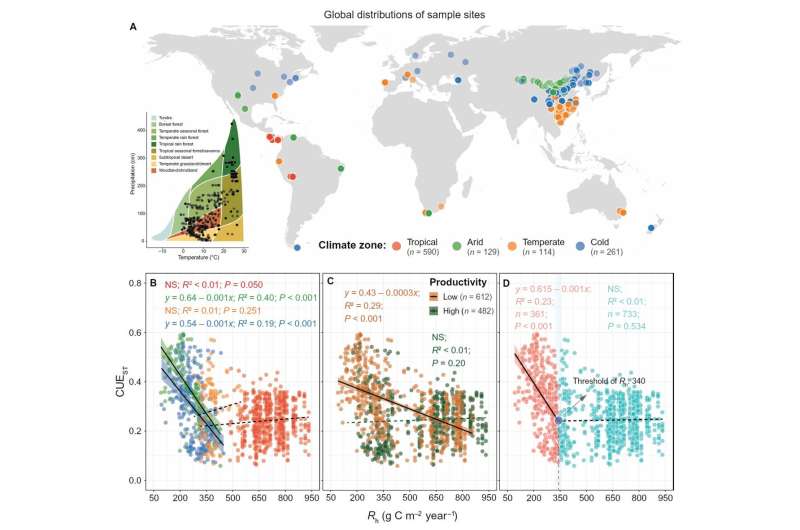
For years, scientists believed these microbes became less efficient at storing carbon as they worked faster. The new research, analyzing over 1,000 soil samples from ecosystems worldwide, reveals that assumption was wrong.
In productive areas like tropical and temperate forests, microbes maintain steady carbon storage efficiency even when working at full speed. Once microbial activity reaches a certain threshold, their efficiency stabilizes at about 27 percent instead of continuing to decline.
Lead researcher Cui Yongxing and his team discovered this happens because microbes in nutrient-rich environments adapt their strategies. They shift focus to gathering essential nutrients like nitrogen and phosphorus while maintaining their carbon storage abilities.
The pattern holds true specifically in high-productivity regions. In less productive areas like deserts and tundra, the old assumptions still apply, with efficiency dropping as activity increases.
The Bright Side
This discovery means thriving ecosystems have an even greater capacity to help stabilize our climate than we realized. Forests, grasslands, and other productive landscapes naturally lock away carbon more reliably than climate models currently predict.
The research also points toward practical solutions. Adding nutrients to productive soils could boost their carbon storage potential even further. Understanding these microbial strategies helps scientists improve climate projection models and develop better land management practices.
The team emphasizes that incorporating this microbial adaptability into our climate models will lead to more accurate predictions. Better predictions mean smarter decisions about protecting and restoring ecosystems.
This matters because small improvements in soil carbon storage across millions of acres add up to significant climate benefits. Every percentage point of efficiency gained helps slow atmospheric CO2 buildup.
The findings arrive as researchers worldwide search for natural climate solutions that work alongside emissions reductions. Healthy soils represent one of our most powerful allies, quietly processing carbon through invisible microbial networks that stretch across continents.
Nature's carbon storage systems work better than we thought, and now we know how to help them work even better.
More Images


Based on reporting by Phys.org - Earth
This story was written by BrightWire based on verified news reports.
Spread the positivity!
Share this good news with someone who needs it