Search

Find uplifting stories about heroes, innovations, and solutions

113 results for "microorganisms"

Soil Microbes May Store More Carbon Than Scientists Thought
Planet Wins•Jan 20

Soil Microbes May Store More Carbon Than Scientists Thought

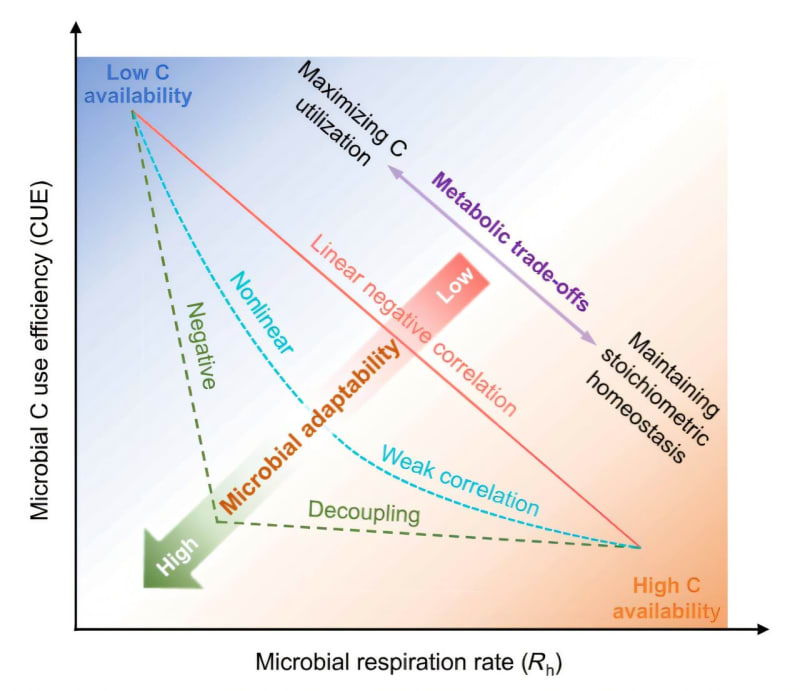
New research reveals soil microorganisms in productive ecosystems trap carbon far more efficiently than previously believed, offering fresh hope for natural climate solutions. The discovery could transform how we manage soils to fight climate change.
Phys.org - Earth•3 min read
Antarctica's Blood Falls Reveals Ancient Ocean Trapped in Ice
Planet Wins•Aug 4

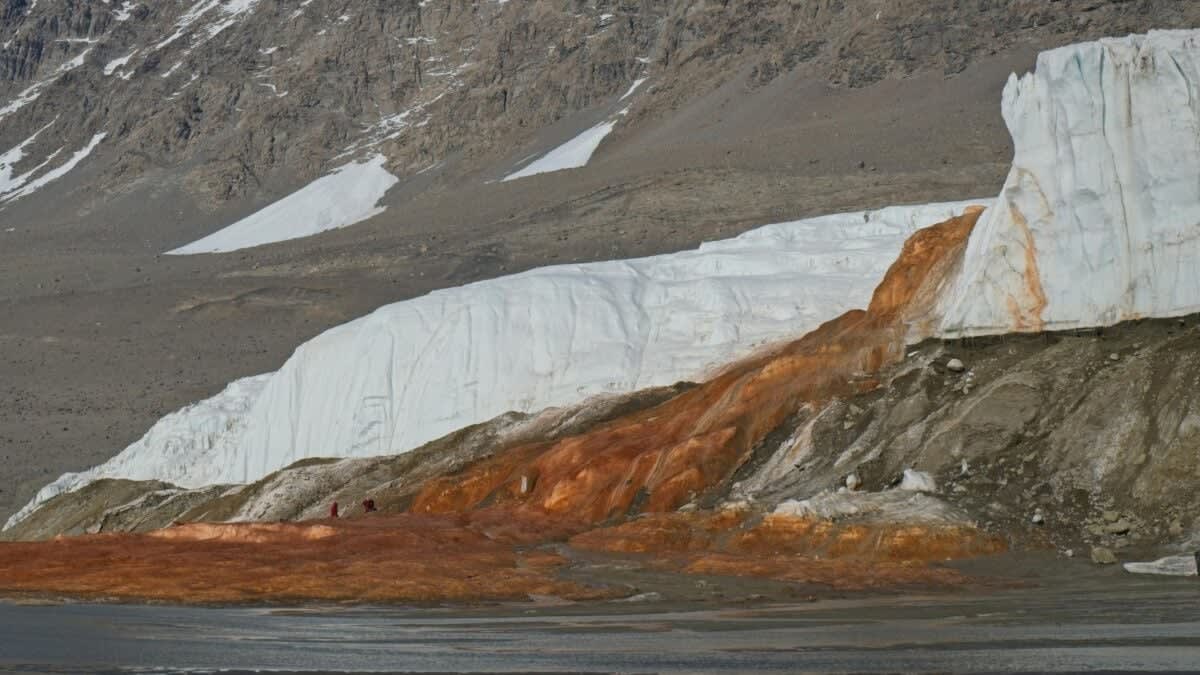
Antarctica's Blood Falls Reveals Ancient Ocean Trapped in Ice

Scientists discovered marine life thriving in Antarctica's crimson Blood Falls waterfall, proving the water comes from an ancient ocean trapped beneath a glacier for thousands of years. The finding shows how life adapts and survives even the most extreme changes on Earth.

Google News - Science•2 min read
5,300-Year-Old Iceman Still Hosts Living Microbes
Planet Wins•Aug 7

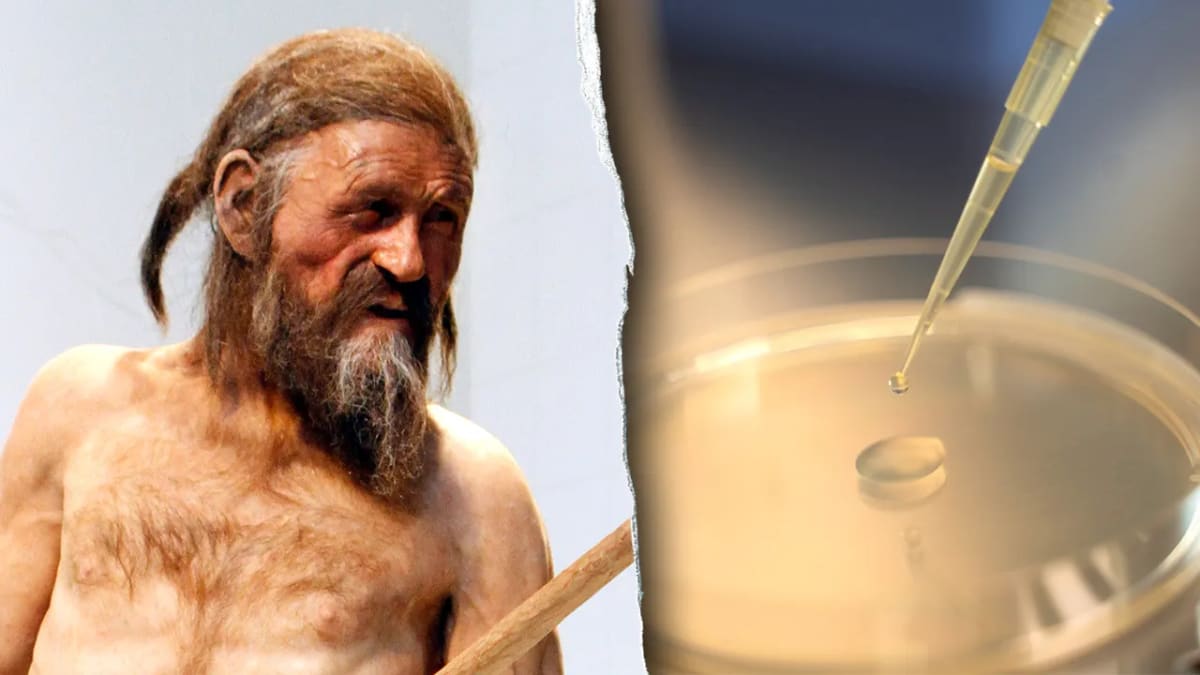
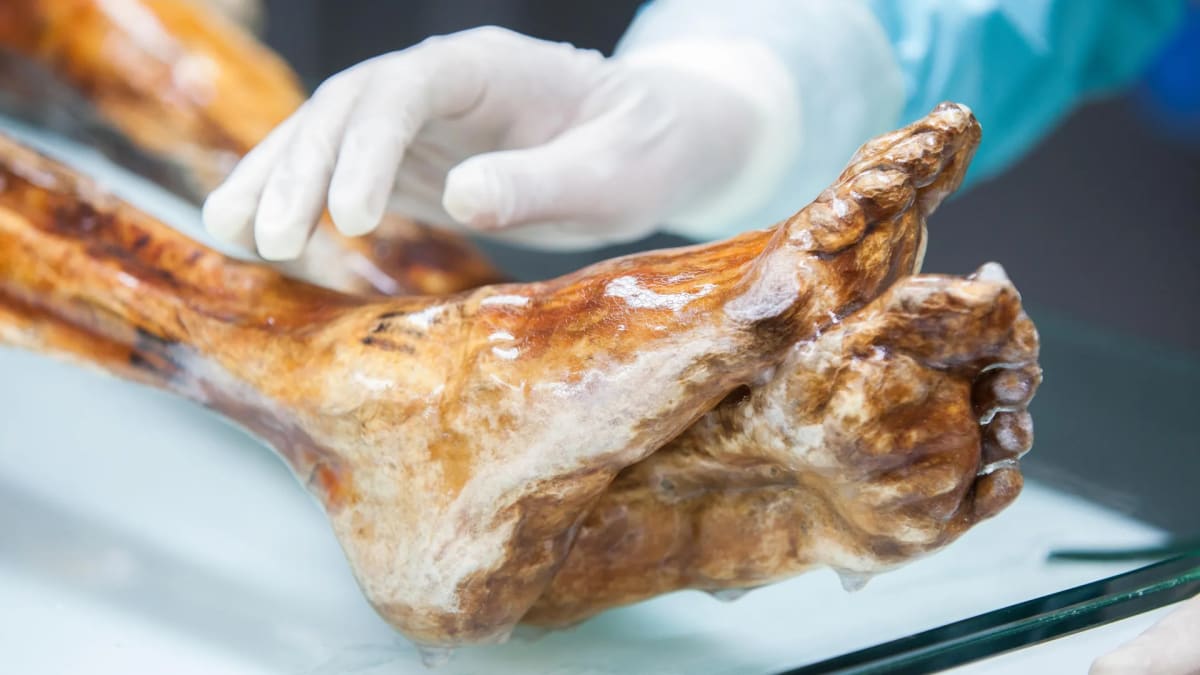
5,300-Year-Old Iceman Still Hosts Living Microbes

Scientists discovered that Ötzi the Iceman isn't just a frozen relic—he's hosting living microorganisms that survived thousands of years in the glacier alongside him. The finding reveals ancient gut bacteria from his lifetime and cold-loving yeasts that could help power future green technology.

Science Daily•2 min read
India's Ancient Crater Lake Gets Court Protection Order
Planet Wins•Jan 29

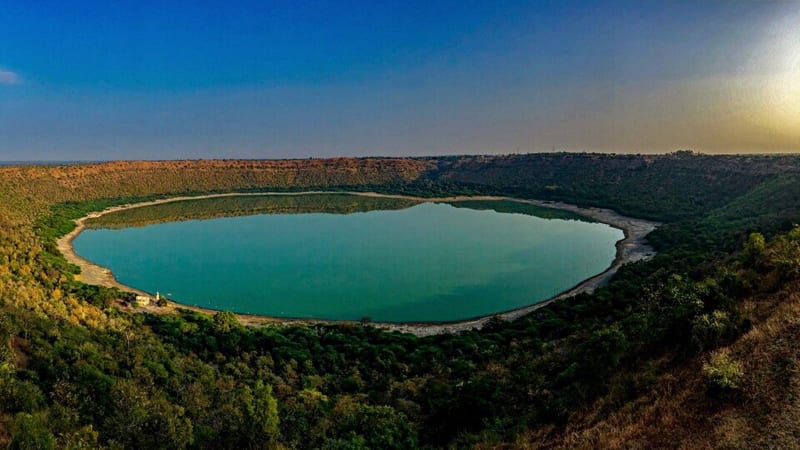
India's Ancient Crater Lake Gets Court Protection Order

India's highest court just stepped in to save a 50,000-year-old meteorite crater lake and nine ancient temples from an ecological crisis. The rare lake hosts microorganisms found nowhere else on Earth.

Indian Express•2 min read
5,300-Year-Old Mummy Still Hosts Living Microbes
Innovation•Jun 22

5,300-Year-Old Mummy Still Hosts Living Microbes

Scientists studying Ötzi the Iceman discovered ancient microorganisms that may have survived over 5,000 years inside the frozen mummy. The breakthrough offers an incredible window into humanity's microbial past and shows how life persists in the most unexpected places.

Fox News Travel•2 min read
Rutgers Tool Separates Real Tumor Microbes From Lab Error
Innovation•Mar 9

Rutgers Tool Separates Real Tumor Microbes From Lab Error

Scientists can now tell which microorganisms actually live inside tumors versus which ones are just contamination, opening doors to personalized cancer treatments. The breakthrough tool called PRISM solves a problem that has confused researchers for years.

Google News - New Treatment•3 min read
Cancer Leaders Launch Microbiome Research "Moonshot
Health & Wellness•May 21

Cancer Leaders Launch Microbiome Research "Moonshot

The nation's top cancer centers just gathered with federal health leaders to accelerate research into the trillions of microorganisms in our bodies that could revolutionize how we prevent and treat cancer. The meeting marks a major push to make microbiome science a national priority.

Google: scientific discovery•3 min read
Pond Microbe Rewrites Biology's Genetic Code Rules
Innovation•May 7

Pond Microbe Rewrites Biology's Genetic Code Rules

A tiny organism from an Oxford pond uses DNA in a way scientists have never seen before, reassigning two genetic "stop signs" to build proteins instead. The accidental discovery reveals nature's flexibility and hints at countless genetic surprises still waiting in the microscopic world.

Science Daily•3 min read
Ancient Cave Reveals Life Thriving 10,000 Years Underground
Planet Wins•Apr 2

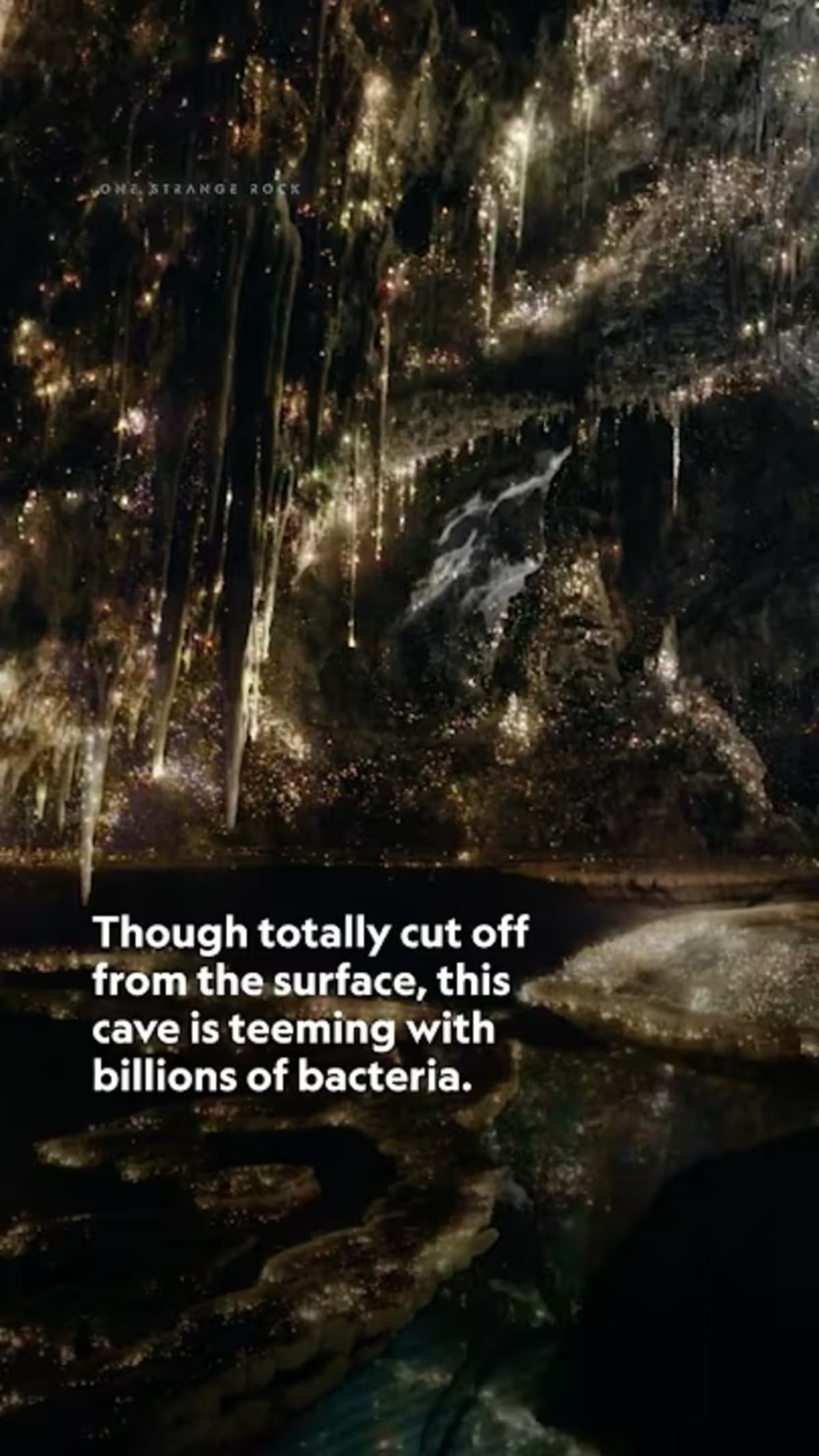
Ancient Cave Reveals Life Thriving 10,000 Years Underground

Deep beneath New Mexico, bacteria colonies are surviving on water that takes 10,000 years to reach them. Scientists exploring Lechuguilla Cave discovered billions of microorganisms living in one of Earth's most extreme environments.

National Geographic•2 min read
Tiny Microbes That Survive Extremes Now Fighting Climate Change
Planet Wins•Mar 18

Tiny Microbes That Survive Extremes Now Fighting Climate Change

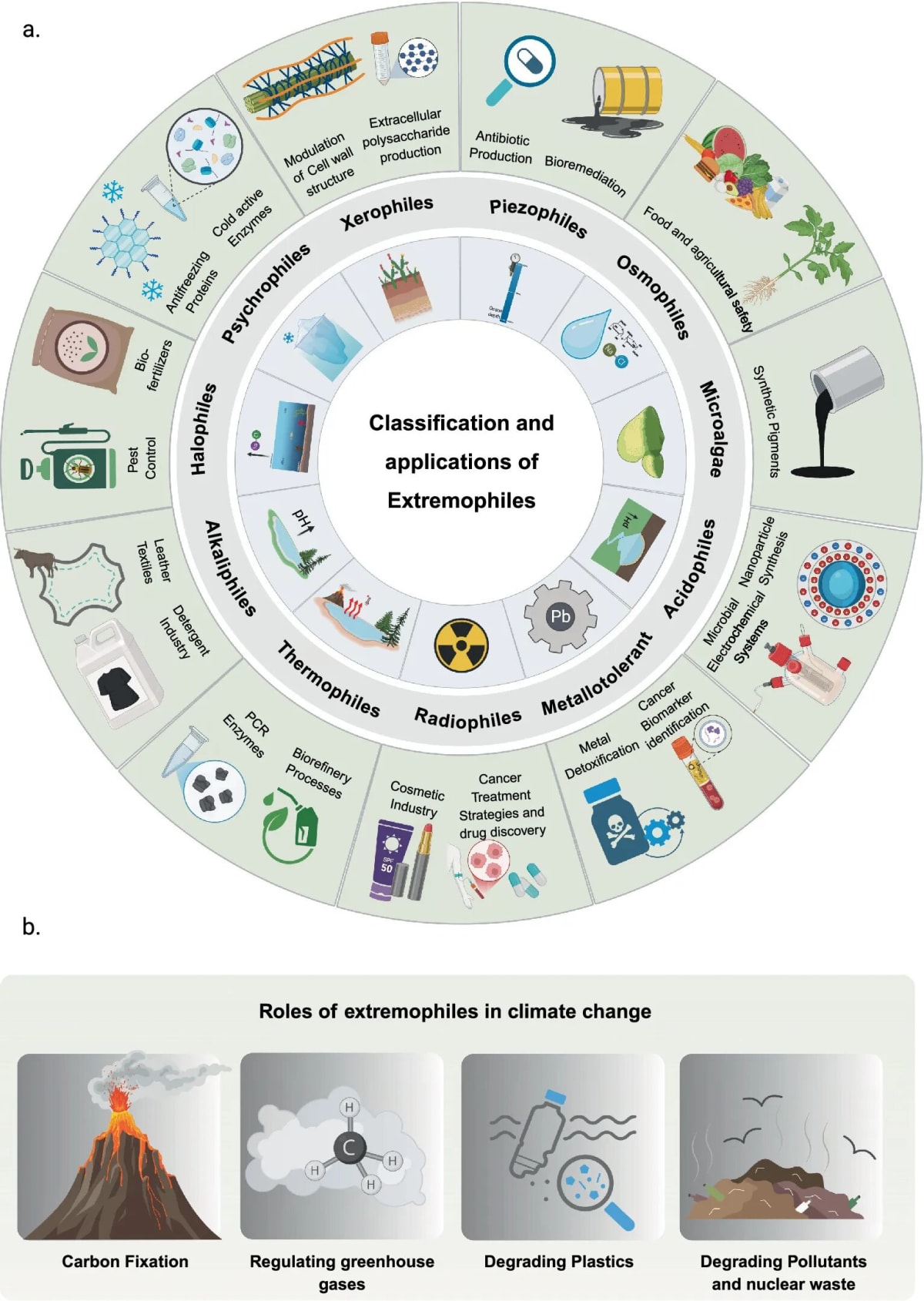
Scientists are harnessing Earth's toughest microorganisms to tackle climate change, create sustainable products, and even search for life on other planets. These remarkable extremophiles thrive in boiling springs and frozen glaciers, and their unique abilities are revolutionizing everything from medicine to manufacturing.

Google News - Science•2 min read
Pink Heart-Shaped Salt Lake Spotted from Space Station
Global News•Feb 11

Pink Heart-Shaped Salt Lake Spotted from Space Station

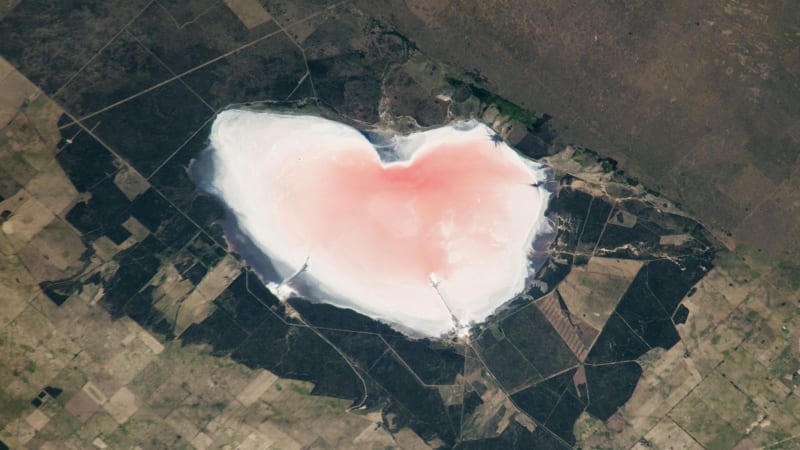
An astronaut aboard the International Space Station captured a stunning pink, heart-shaped salt lake in Argentina that looks like nature's Valentine. The shallow lake turns vibrant pink when special algae and microorganisms thrive in its salty waters.

Live Science•2 min read
Soybeans Recruit Soil Microbes to Fight Destructive Pest
Planet Wins•Mar 6

Soybeans Recruit Soil Microbes to Fight Destructive Pest

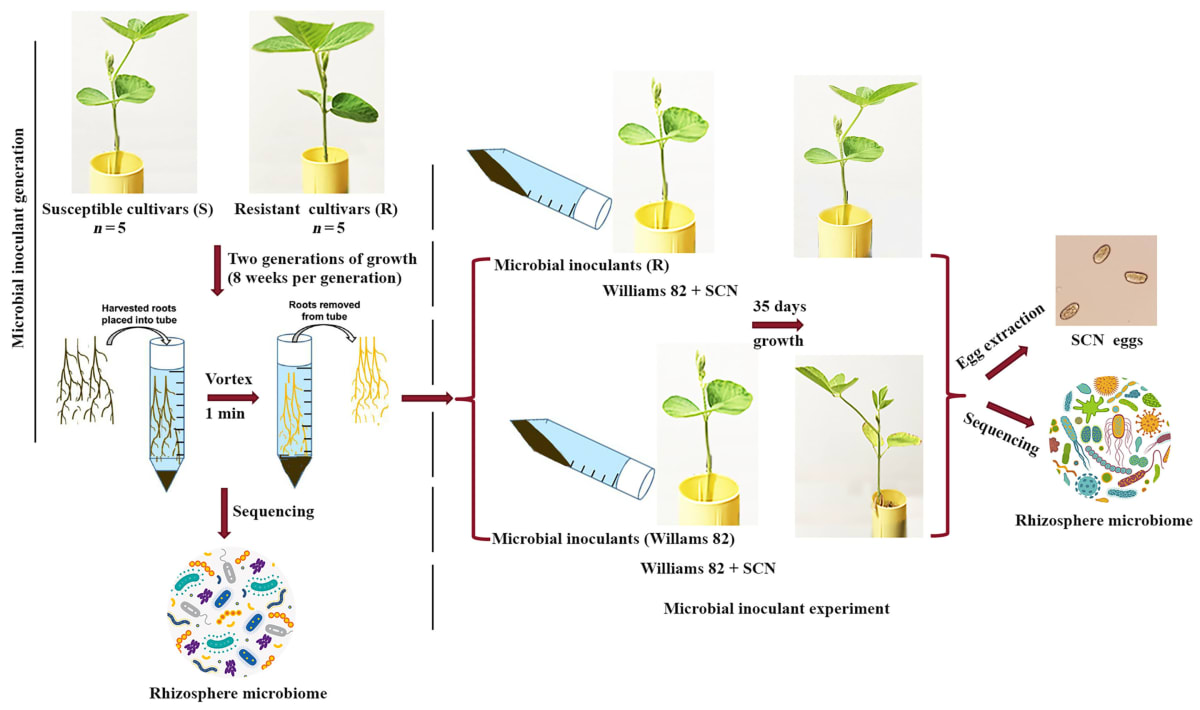
Scientists discovered that resistant soybean plants actively recruit helpful soil microbes to fight off a devastating pest, and these protective microbes can be transferred to help vulnerable plants. This breakthrough could revolutionize crop protection by turning soil into a natural defense system.

Phys.org•2 min read
Senegal's Pink Lake Returns to Life After Devastating Floods
Planet Wins•Jul 23

Senegal's Pink Lake Returns to Life After Devastating Floods

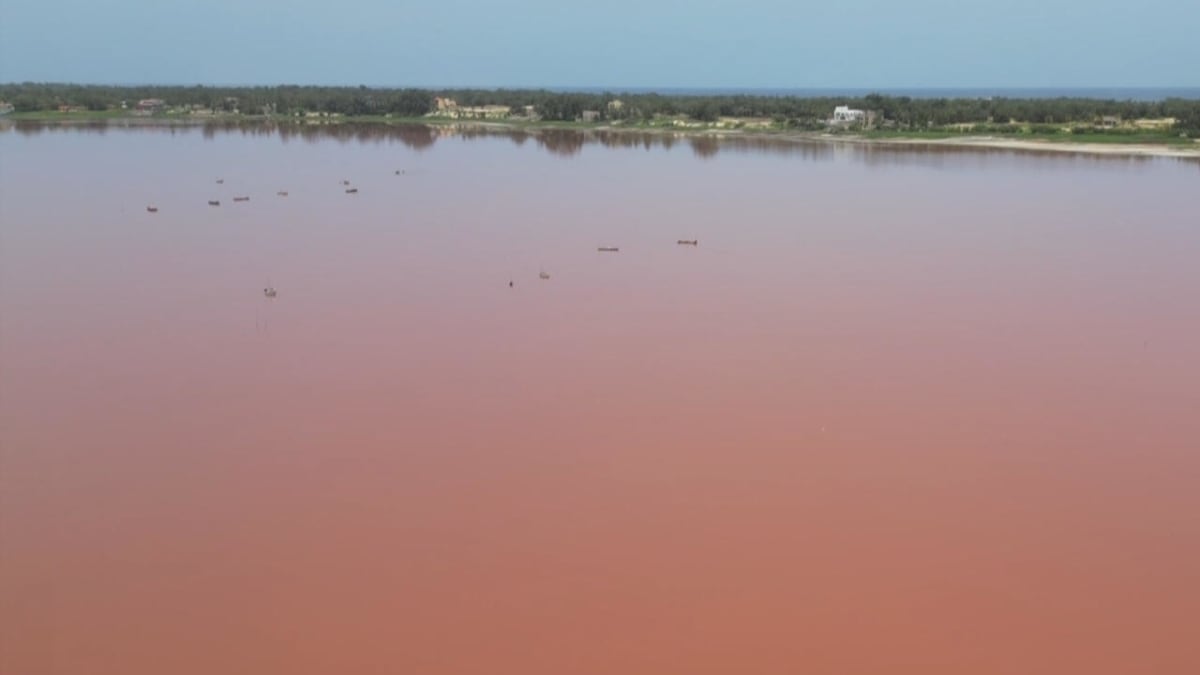
Four years after floods nearly destroyed Senegal's famous Pink Lake, the rosy waters are returning and salt harvesters are back at work. The delicate ecosystem and the local economy built around it are slowly recovering.

France 24 English•2 min read
IIT Guwahati Uses Bacteria to Clean Toxic Lead Wastewater
Innovation•Jun 30

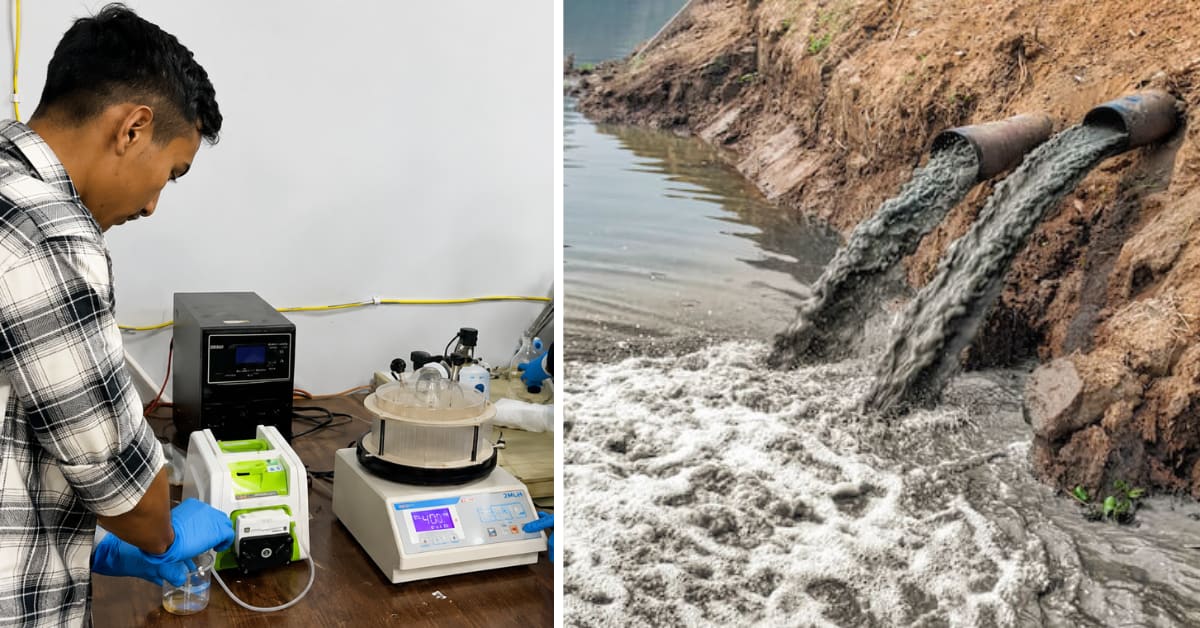
IIT Guwahati Uses Bacteria to Clean Toxic Lead Wastewater

Researchers at IIT Guwahati have developed a biological process that uses naturally occurring bacteria to remove toxic lead from industrial wastewater without harsh chemicals. The breakthrough could help protect millions of Indian children exposed to lead contamination from battery recycling plants.

The Better India•2 min read
Science Says Sunshine Could Be Better Than You Think
Health & Wellness•Jun 9

Science Says Sunshine Could Be Better Than You Think

A new book challenges decades of fear about sun exposure, revealing how moderate sunlight might actually improve our health. The research shows our indoor lives could be doing more harm than good.

Nature News•2 min read
Alaska Permafrost Yields 26 New Species to Fight Frostbite
Planet Wins•Feb 28

Alaska Permafrost Yields 26 New Species to Fight Frostbite

Scientists in Alaska discovered 26 new microbial species in 40,000-year-old permafrost that could revolutionize cold weather protection. The tiny organisms may lead to anti-icing coatings for planes and creams that prevent frostbite.

Google: scientists discover•3 min read
Floating Gardens Cut Wastewater Emissions by Nearly a Third
Planet Wins•Aug 25

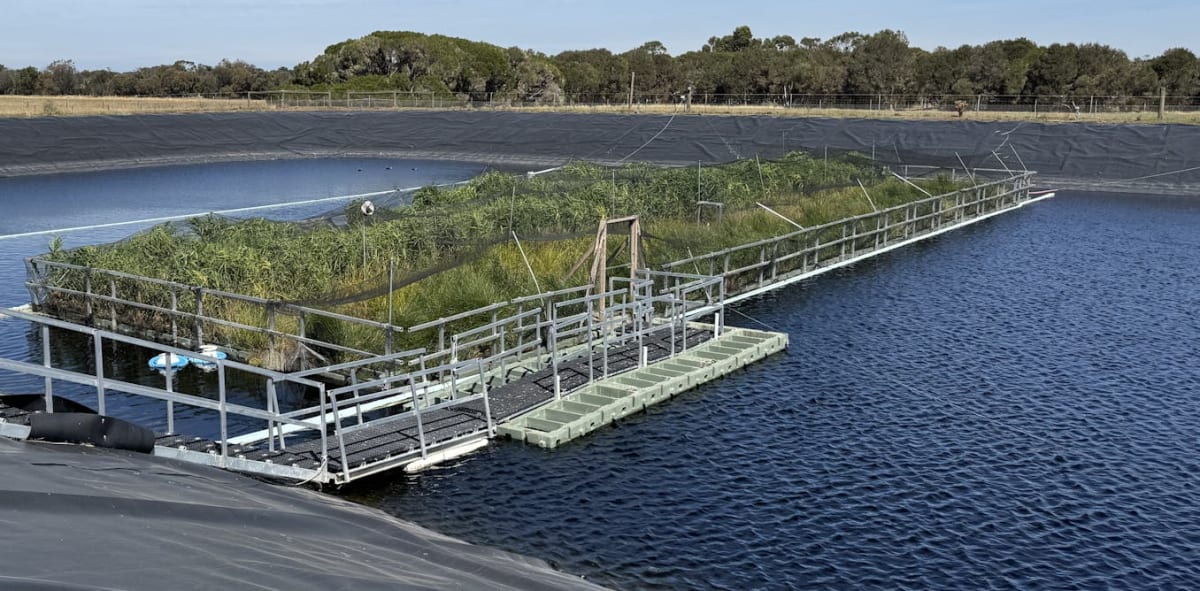
Floating Gardens Cut Wastewater Emissions by Nearly a Third

Scientists planted a floating garden on a wastewater treatment pond in Australia and watched greenhouse gas emissions drop by up to 31%. The simple solution could help tackle a hidden climate problem lurking in sewage treatment worldwide.

Google News - Emissions Reduction•2 min read
Scientists Bring 3.2-Billion-Year-Old Enzyme Back to Life
Innovation•Jan 30

Scientists Bring 3.2-Billion-Year-Old Enzyme Back to Life

NASA-funded researchers have resurrected an ancient enzyme from Earth's earliest lifeforms, proving we can detect signs of life billions of years old. The discovery gives us a reliable tool to search for ancient life on Mars and other worlds.

NASA•2 min read
Scientists Bake Sourdough With 5,300-Year-Old Yeast From Ötzi
Innovation•Jun 4

Scientists Bake Sourdough With 5,300-Year-Old Yeast From Ötzi

Researchers successfully made sourdough bread using ancient yeast found on Ötzi the Iceman's mummified remains. The cold-loving yeast strains could help create energy-saving fermentation methods for food production.

Smithsonian•3 min read
Mexico Forest Revival Uses Science to Triple Tree Survival
Acts of Kindness•Sep 9

Mexico Forest Revival Uses Science to Triple Tree Survival

The University of Guadalajara is transforming forest restoration with science-backed methods that help 7 out of 10 trees survive instead of just 3. Their July 11 reforestation event will plant 800 native trees across fire-damaged areas using groundbreaking soil enrichment techniques.

Google News - Reforestation•3 min read

Showing 20 of 113