Solar Breakthrough Could Push Green Energy to New Heights
Scientists discovered a game-changing type of microscopic hole in solar cells that actually boosts performance instead of hurting it. The finding could help solar panels convert even more sunlight into clean electricity.
Scientists just figured out why some solar cells work better than others, and the answer could make green energy even more powerful.
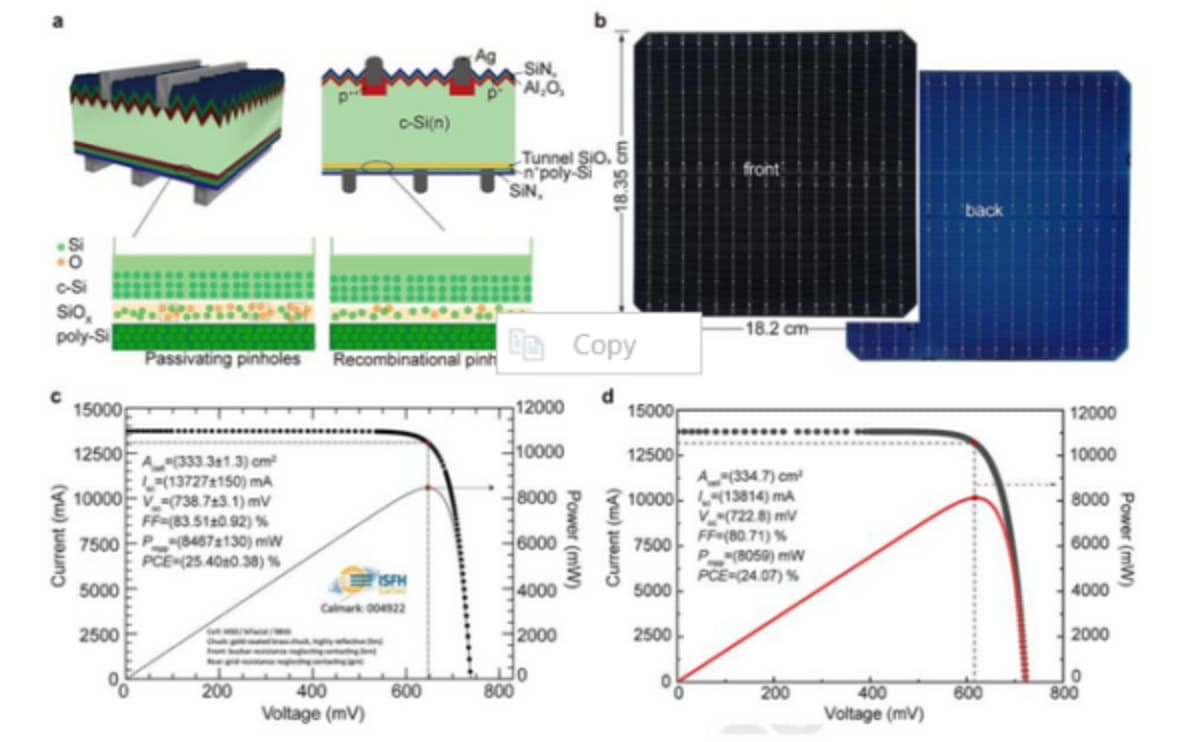
A research team from China and Germany discovered something unexpected in TOPCon solar cells, the technology pushing solar power to new efficiency levels. They found two types of tiny holes where different materials meet inside the panel. One type hurts performance, but the other actually helps.
The helpful holes, called passivating pinholes, contain enough oxygen to prevent energy loss while still letting electricity flow through. "This implies that pinholes do contribute to carrier transport, yet they are not necessarily detrimental," said lead researcher Dengyuan Song from DAS Solar.
This discovery matters because TOPCon cells represent the next generation of solar technology. Unlike older designs, these cells can exploit passivating pinholes to reach higher efficiencies, something other solar cell types can't do.
The team used powerful microscopes to spot the difference between good and bad pinholes at the atomic level. They found that the manufacturing process, specifically how surfaces are polished and treated with oxygen, determines which type forms.
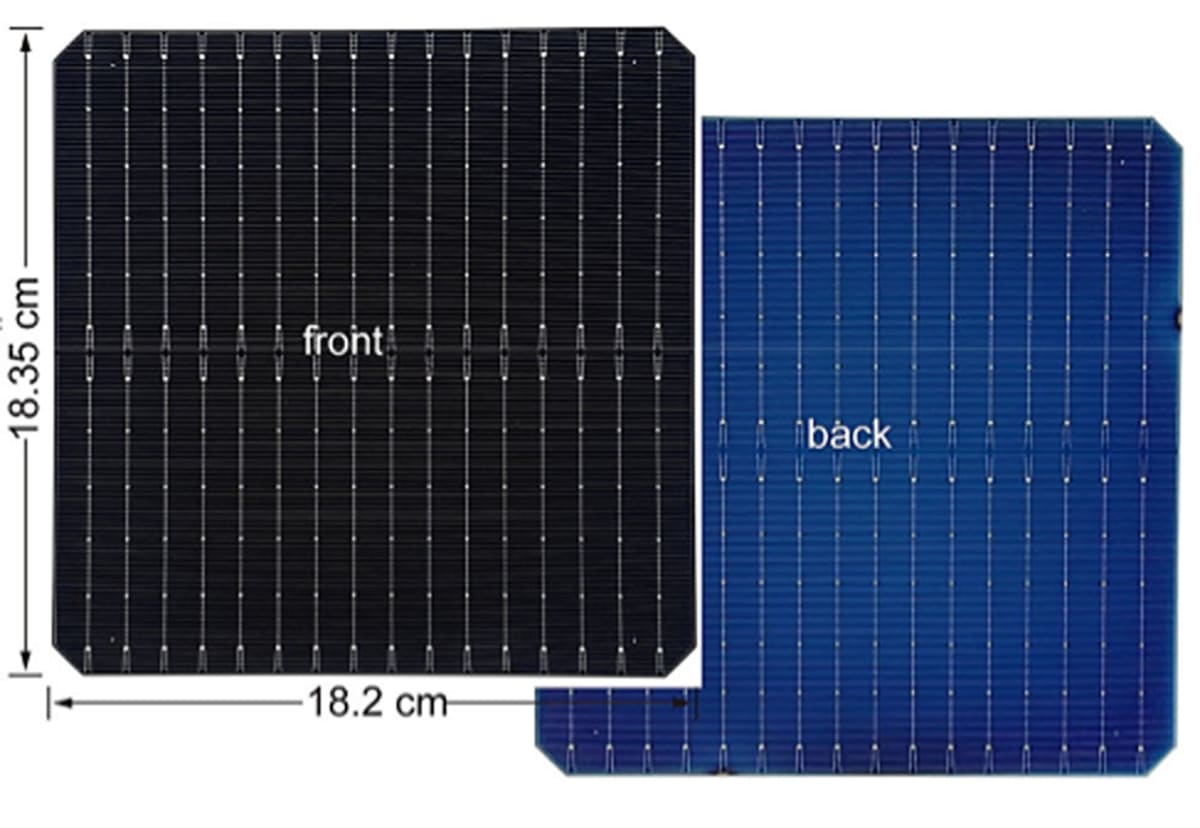
Using this knowledge, the researchers built a large solar cell measuring over 330 square centimeters. It achieved a power conversion efficiency of 25.40%, transforming more than a quarter of sunlight into usable electricity.
The key lies in controlling oxygen during manufacturing. Too much creates a barrier that blocks electricity. Too little creates harmful holes. But just the right amount creates passivating pinholes that allow both good electrical flow and minimal energy loss.
The Ripple Effect
This breakthrough gives solar manufacturers a clear roadmap for improvement. By adjusting polishing techniques and oxygen levels during production, factories can intentionally create more passivating pinholes in their solar panels.
The implications stretch beyond today's rooftop panels. Song and his team believe these insights will help develop even more advanced designs, including next-generation tandem cells that stack multiple layers to capture different wavelengths of light.
As solar power becomes cheaper and more efficient, more homes and businesses can affordably switch to clean energy. Each efficiency gain means more electricity from the same amount of sunlight, fewer panels needed for the same power output, and faster progress toward renewable energy goals.
The research, published in Nature Communications, gives the solar industry practical steps to improve manufacturing right now while opening doors to future innovations.
More Images

Based on reporting by PV Magazine
This story was written by BrightWire based on verified news reports.
Spread the positivity!
Share this good news with someone who needs it