Solar Breakthrough Hits 31% Efficiency Using Factory Methods
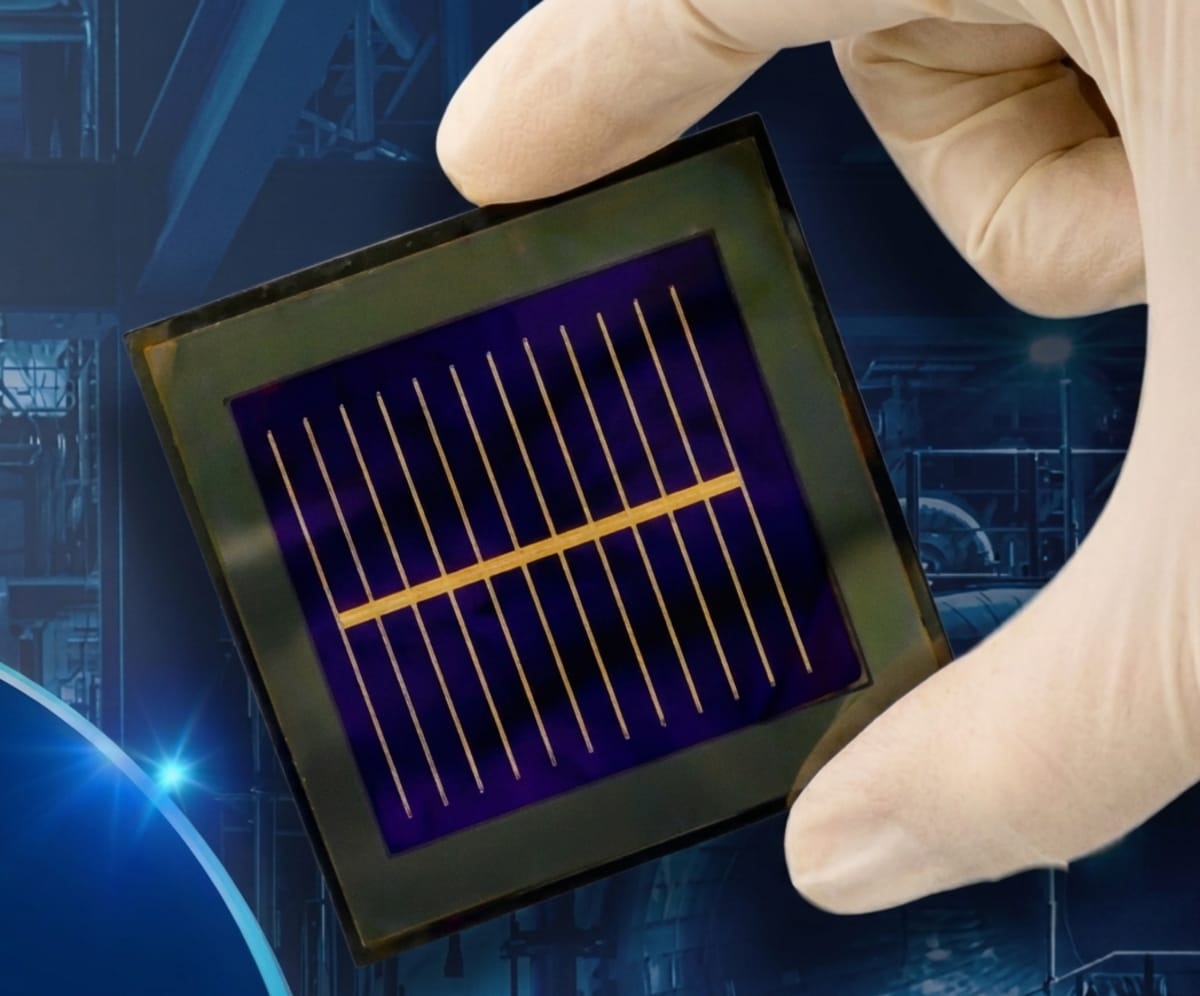
Scientists in France and the Netherlands just created a solar cell that converts 31% of sunlight into electricity using manufacturing methods that work in real factories. This breakthrough could make super-efficient solar panels affordable for homes and businesses worldwide.
A new solar cell just shattered efficiency records while using methods that could work on regular factory floors, bringing powerful clean energy one giant step closer to your rooftop.
French research institute IPVF and Delft University of Technology in the Netherlands teamed up to create a solar cell that converts 31% of sunlight into electricity. That might not sound dramatic, but most solar panels today max out around 22%, and previous record-breakers relied on lab techniques too expensive for mass production.
The secret sauce combines two layers: a nanotextured silicon bottom cell from the Dutch team and a perovskite top cell made by the French researchers. Each layer captures different parts of the light spectrum, working together like a perfectly coordinated relay team.
Here's what makes this different. The researchers coated the perovskite layer using a technique called slot-die coating in regular ambient air, not in expensive cleanroom conditions. Think of it like screen printing a t-shirt instead of hand-painting each one in a sterile laboratory.
"Several groups have already demonstrated tandem solar cells above 30% efficiency, but many of those results rely on laboratory-scale deposition methods," explained IPVF researcher Chandralina Patra. "Demonstrating this level of performance with a scalable deposition process is an important step toward commercialization."
The team made dramatic improvements from just last year when they achieved 24% efficiency on larger cells. They fine-tuned the silicon texture at the nanoscale level and perfected the coating process to squeeze out every percentage point of performance.
The Ripple Effect
This breakthrough arrives exactly when the world needs it most. Solar energy demand is skyrocketing as countries race to cut carbon emissions and energy costs keep climbing.
More efficient panels mean homeowners and businesses can generate more power from less roof space. A 31% efficient panel produces about 40% more electricity than today's standard panels in the same area. That translates to lower costs, faster payback periods, and cleaner energy for millions more people.
The technology could also revolutionize solar farms, allowing them to generate significantly more power on the same land. Countries with limited space for renewable energy installations could finally compete with nations blessed with vast deserts or plains.
IPVF is already working with French manufacturer Voltec Solar to scale these innovations to full-size commercial panels. The team plans to transfer their lab success to larger devices that could roll off production lines within years, not decades.
The researchers aren't stopping at 31% either. They're diving deeper into understanding exactly why these tandem cells perform so well, hunting for ways to push efficiency even higher while keeping manufacturing costs low.
Clean energy just got more powerful and more practical at the same time.
More Images


Based on reporting by PV Magazine
This story was written by BrightWire based on verified news reports.
Spread the positivity!
Share this good news with someone who needs it