Solar Cell Breakthrough Uses 85% Less Material Than Before
Scientists just made solar panels cheaper and faster to build by replacing a thick protective layer with one that's paper-thin. The new design works just as well but uses a fraction of the materials.
A team of international scientists has cracked the code on making solar panels more efficient using 85% less protective material than the standard approach.
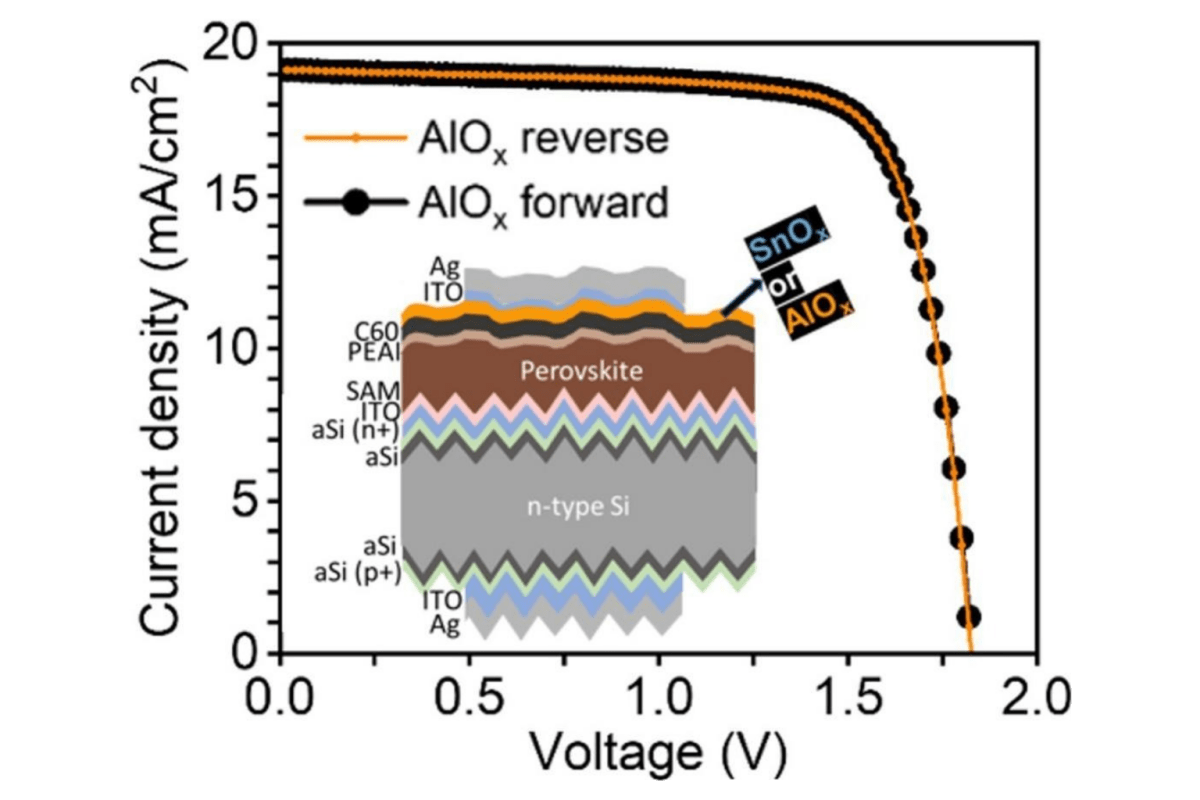
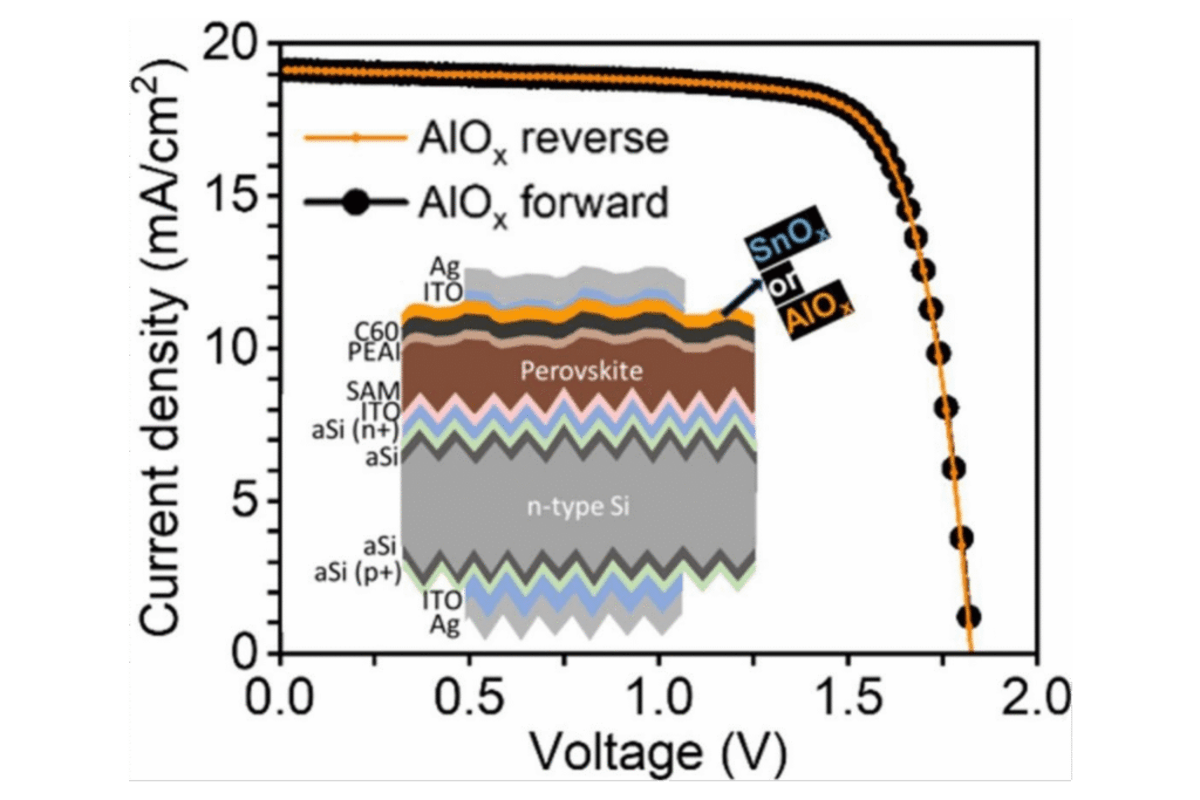
Researchers from Germany and Portugal discovered that a super-thin aluminum oxide layer just 3 nanometers thick can protect advanced solar cells from damage during manufacturing. That's about 30,000 times thinner than a human hair, yet it works as well as the conventional 20-nanometer tin oxide layer that's been the industry standard.
"It was surprising to find that a 3 nanometer thick layer allows efficient charge-carrier extraction," lead researcher Stephanie Essig told reporters. The breakthrough matters because it makes production faster and uses far less material, which could lower costs for solar panel manufacturers worldwide.
The team tested their ultra-thin aluminum oxide layer in two types of cutting-edge solar technology. Semi-transparent solar cells achieved over 17% efficiency, while tandem cells that stack different materials reached more than 26% efficiency. Both matched the performance of cells using the much thicker conventional layer.
The research focused on perovskite solar cells, an emerging technology that promises to make solar energy more affordable and versatile. These cells can be semi-transparent, opening possibilities for solar windows in buildings and other creative applications beyond rooftop panels.
Scientists from the University of Stuttgart, Forschungszentrum Jülich, Solarlab Aiko Europe, and Portugal's International Iberian Nanotechnology Laboratory collaborated on the project. The team used advanced microscopy, spectroscopy, and electrical measurements to confirm their thin layer could withstand the harsh sputtering process used in manufacturing.
The Ripple Effect
This discovery could speed up the transition to renewable energy by making solar technology more economical to produce. Using less material per panel means lower manufacturing costs, reduced environmental impact from mining and processing, and faster production times on factory lines.
The uniform, dense coating also improves long-term stability, potentially extending the lifespan of solar panels. That means homeowners and businesses could see better returns on their solar investments while reducing waste from panel replacements.
The research team, led by first author Seyma Topcu, plans to optimize the manufacturing process further and conduct extended testing to ensure the panels maintain their performance over time.
Small innovations like this one add up to make clean energy more accessible to everyone.
More Images


Based on reporting by PV Magazine
This story was written by BrightWire based on verified news reports.
Spread the positivity!
Share this good news with someone who needs it