Solar Device Makes 18 Liters of Drinking Water Per Day
Scientists solved the salt clog problem that kills most solar desalination systems, creating a device that turns seawater into fresh drinking water continuously. The prototype could bring clean water to 30% of the global population living in water-stressed, sun-rich areas.
A team from Monash University and the Indian Institute of Technology just cracked one of the biggest barriers keeping solar desalination from helping billions of people access clean water.
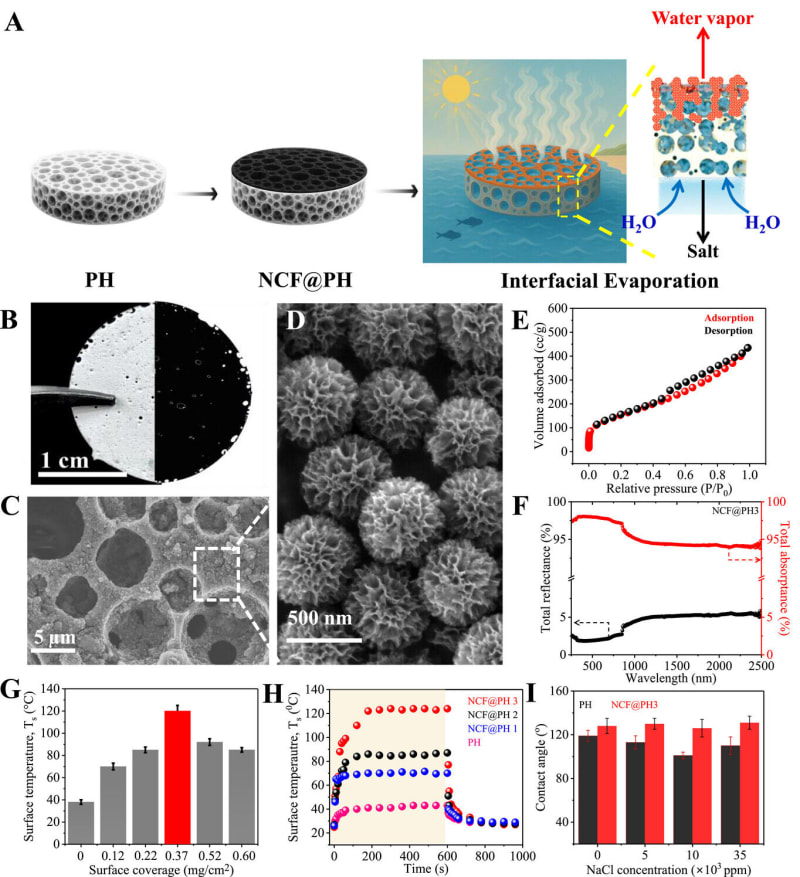
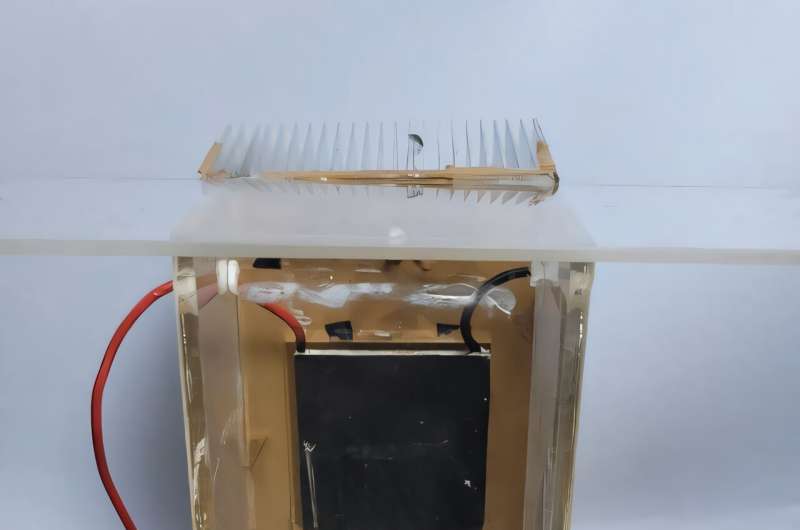
Their prototype device, called SunSpring, produces up to 18 liters of fresh drinking water per day from seawater without ever clogging from salt buildup. That might sound technical, but it solves the problem that has doomed countless other solar desalination systems to fail after just days or weeks of use.
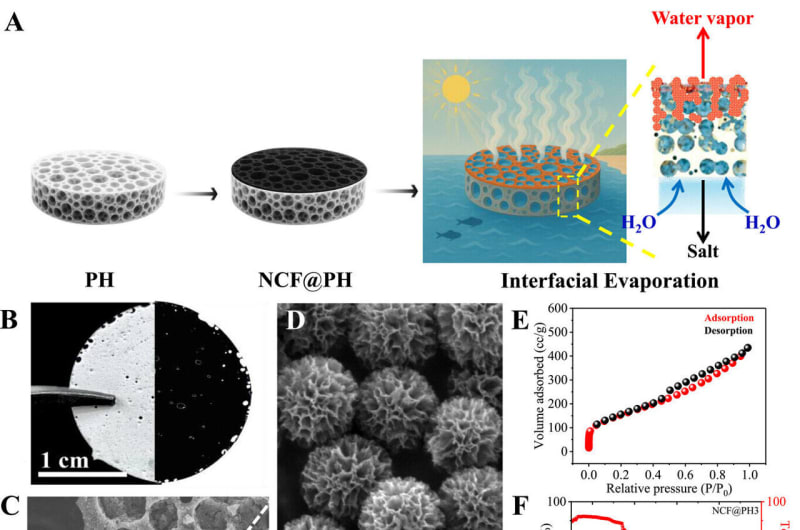
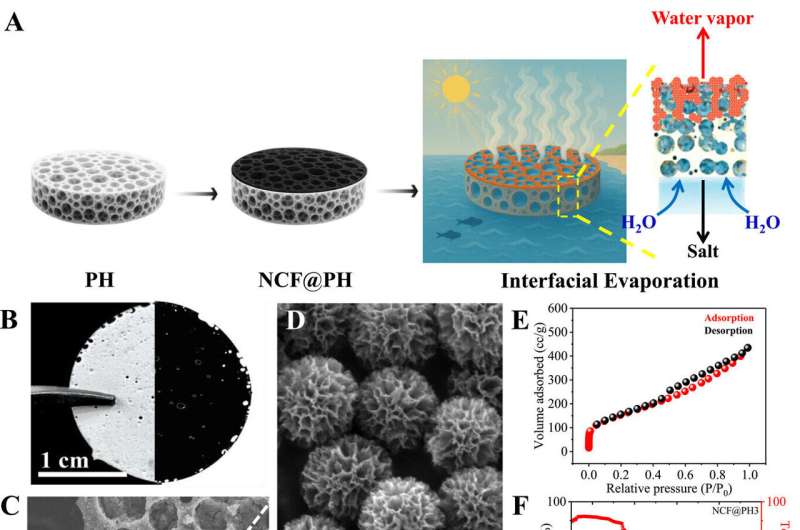
The secret lies in a floating membrane embedded with microscopic carbon structures shaped like flowers. These tiny carbon flowers absorb sunlight and convert it into heat, warming the membrane enough to distill seawater into pure drinking water. The clever design separates the evaporation and condensation processes inside a clear enclosure, preventing salt crystals from gunking up the works.
Professor Neil Cameron from Monash Materials Science and Engineering explained that continuous operation without salt clogging was their main engineering challenge. Previous solar stills worked great in labs but failed quickly in real-world conditions where salt would accumulate and choke the system.
The timing couldn't be better. Nearly 30% of people worldwide live in areas facing a perfect storm of challenges: severe water scarcity, limited access to electricity, and plenty of sunshine. These communities often lack the infrastructure for traditional desalination plants, which require massive amounts of electricity and complex maintenance.
The device needs no grid electricity, no fuel, and minimal upkeep. Just sunlight and seawater go in, and clean drinking water comes out.
The researchers are now refining the design before field trials in real-world conditions. They're also working on scaling up the system to produce even more water per day. If those tests succeed, commercial development could follow.
The Ripple Effect
Access to clean drinking water transforms communities in ways that ripple far beyond quenching thirst. Children spend less time walking miles to water sources and more time in school. Families invest less income in bottled water and more in food and education. Water-borne diseases decline, reducing healthcare costs and missed workdays.
For remote coastal communities, island nations, and arid regions where freshwater is scarce but seawater and sunshine are abundant, this technology could flip the script on water scarcity. The same conditions that make life difficult become the exact resources needed to solve the problem.
The research, published in Advanced Science, represents years of materials science innovation coming together to address a fundamental human need with an elegant, passive solution.
Clean water from sunlight and seawater, flowing continuously, reaching the communities that need it most.
More Images

Based on reporting by Phys.org - Technology
This story was written by BrightWire based on verified news reports.
Spread the positivity!
Share this good news with someone who needs it