Tasmania Data Center Plans Rainwater Cooling System
A new AI data center in Tasmania is pioneering an eco-friendly cooling approach that relies on rainwater collection and minimal water trucking. The facility aims to support Tasmania's renewable energy economy while creating 90 jobs.
An AI data center planned for northwest Tasmania is taking an innovative approach to one of tech's biggest environmental challenges: keeping servers cool without draining local water supplies.
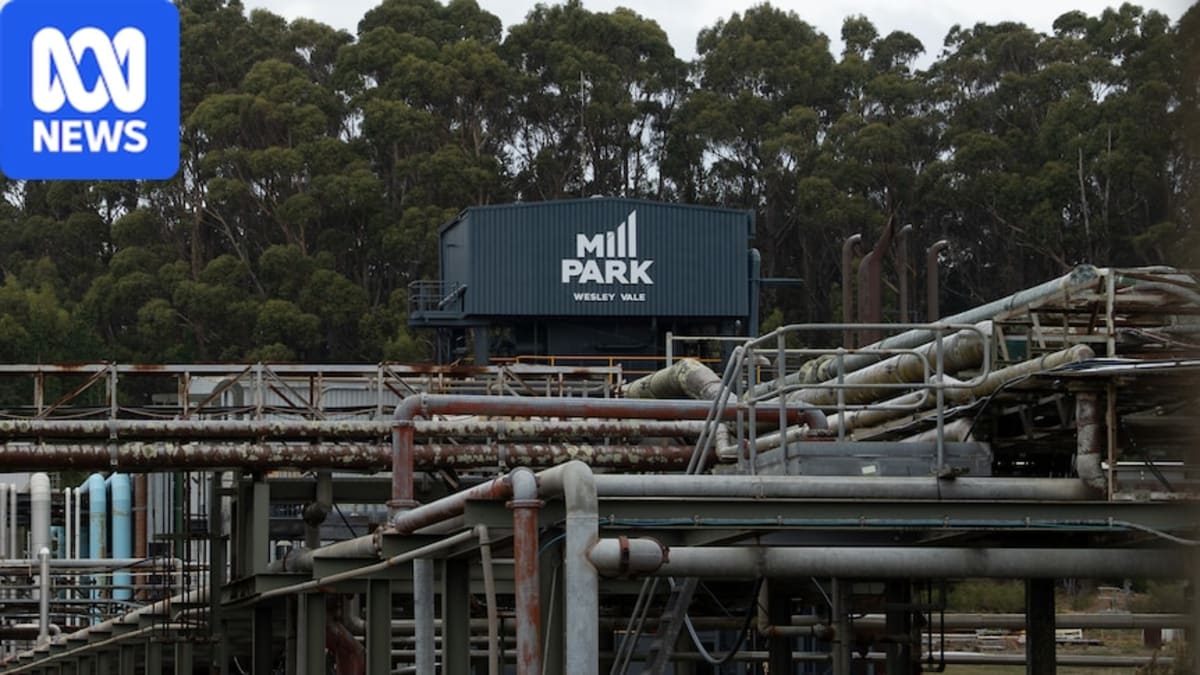
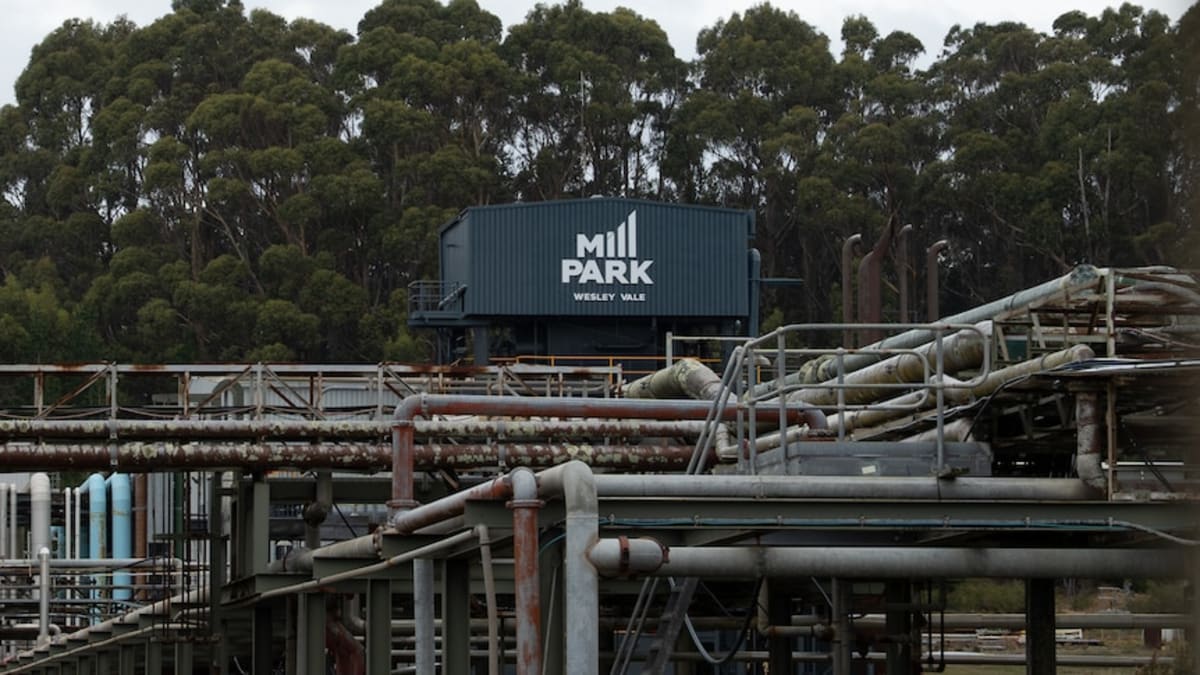
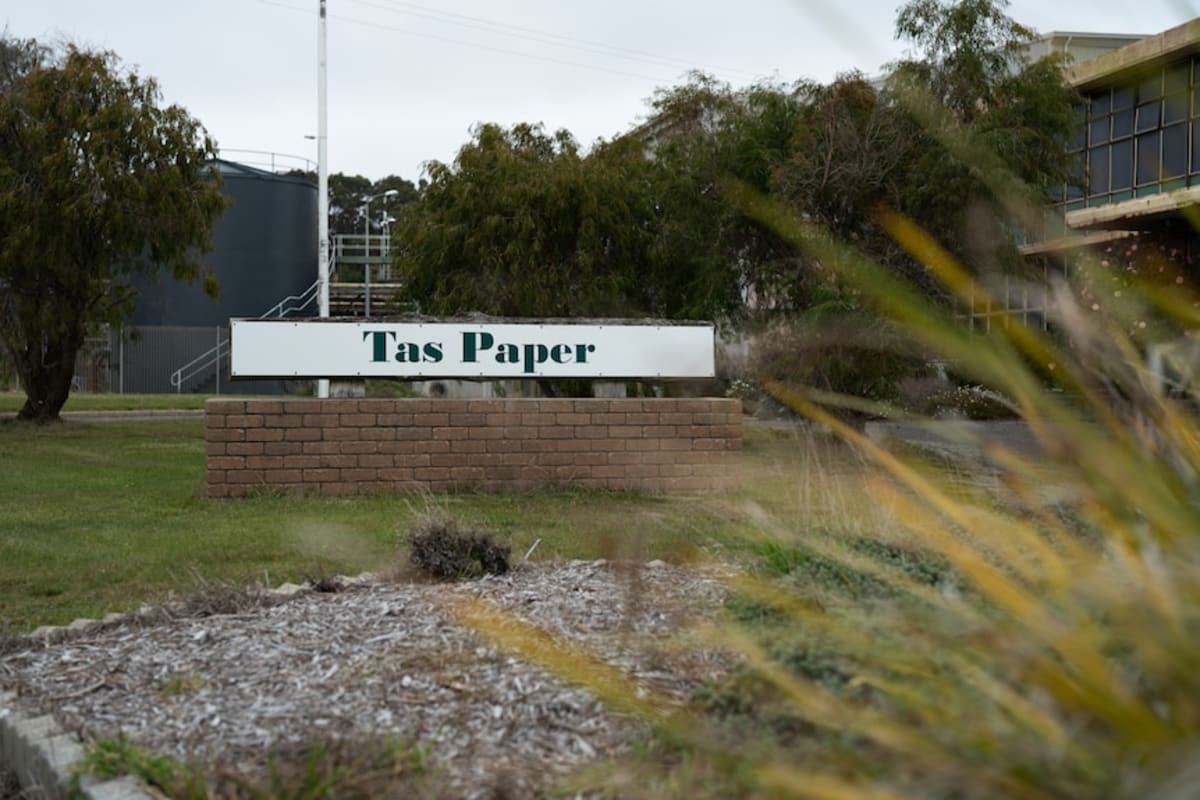
Firmus Technologies wants to build a 52-megawatt facility at an old paper mill site in Wesley Vale, and the company's solution to cooling is refreshingly low-tech. Instead of plugging into municipal water systems, they'll harvest rainwater and only truck in additional water during Tasmania's driest days.
The facility will produce AI tokens that power tools like ChatGPT, bringing cutting-edge technology to a region once dominated by traditional manufacturing. The old mill site gets a second life, and the local community gets a say in how it happens.
Latrobe Council just opened public submissions on the project, giving residents until September 9 to weigh in. This kind of community input matters, especially for projects that will shape a region's future for decades.
The cooling system only kicks in when temperatures climb above 26 degrees Celsius, which means most days the facility will run without any water-intensive cooling at all. When rainwater reserves run low during heat waves, trucks will deliver what's needed rather than permanently tapping into agricultural water supplies that farmers depend on.
The Bright Side
Tasmania is becoming an unexpected hub for sustainable AI infrastructure. Firmus has committed to matching the facility's electricity demand with renewable energy over time, working with Tas Hydro to support new clean energy projects. The island state's abundant hydroelectric power makes it an ideal location for energy-hungry data centers that want to operate responsibly.
The project promises 70 construction jobs and 20 permanent positions in a region that's been searching for economic opportunities since the paper mill closed. These aren't just any jobs – they're roles in a growing tech sector that could anchor other innovations in the area.
The development application shows thoughtful planning around other environmental concerns too. Noise assessments recommend additional sound mitigation for backup generators to protect community peace and quiet. Forty diesel generators will provide emergency backup power, but the primary operation runs on Tasmania's clean hydroelectricity.
Firmus is already building two other facilities in Tasmania: a 104-megawatt center in Launceston and a recently approved 288-megawatt facility in Bell Bay. The company's multi-site approach spreads economic benefits across northern Tasmania while building expertise in sustainable data center operations.
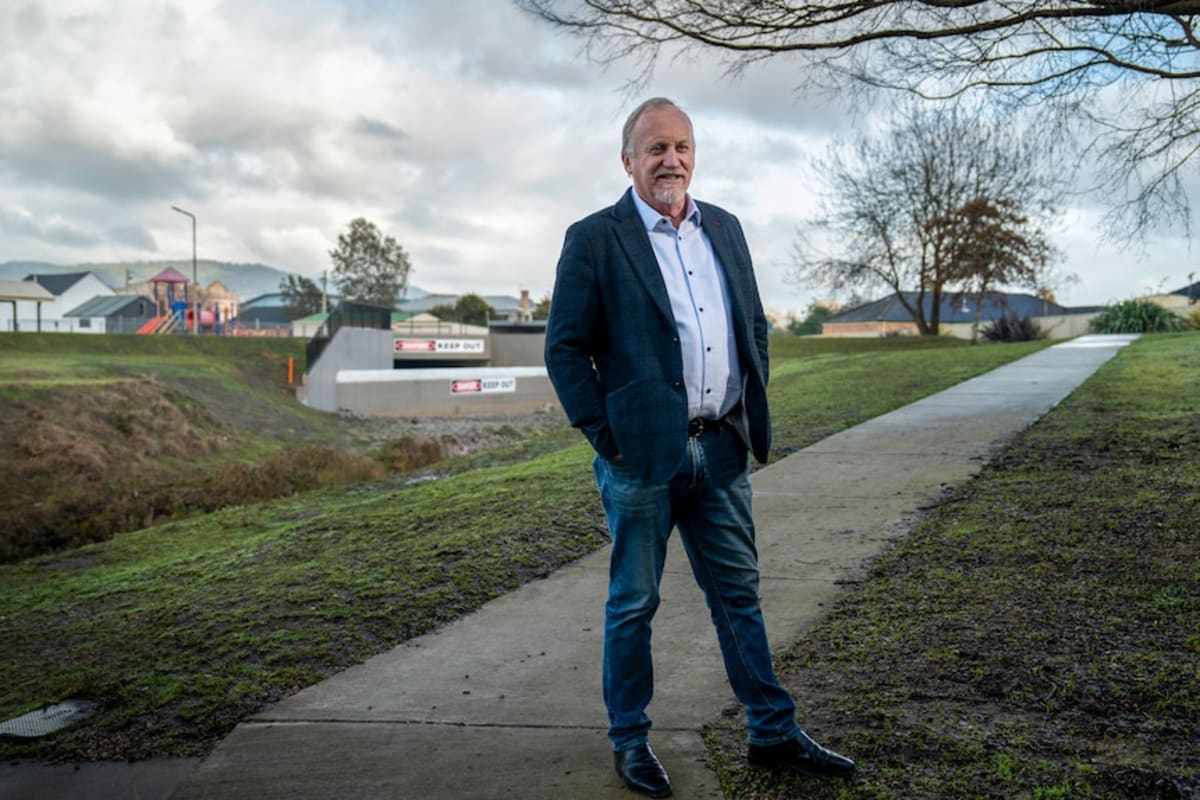
Mayor Peter Freshney noted that the 1993 planning scheme wasn't designed with data centers in mind, but that's actually a sign of progress – we're dealing with technologies that didn't exist a generation ago. The democratic process gives community members the chance to help shape how new technology integrates with local values and needs.
The public comment period represents democracy working exactly as it should: innovative companies proposing solutions, communities asking questions, and local government facilitating the conversation that helps everyone move forward together.
More Images

Based on reporting by ABC Australia
This story was written by BrightWire based on verified news reports.
Spread the positivity!
Share this good news with someone who needs it