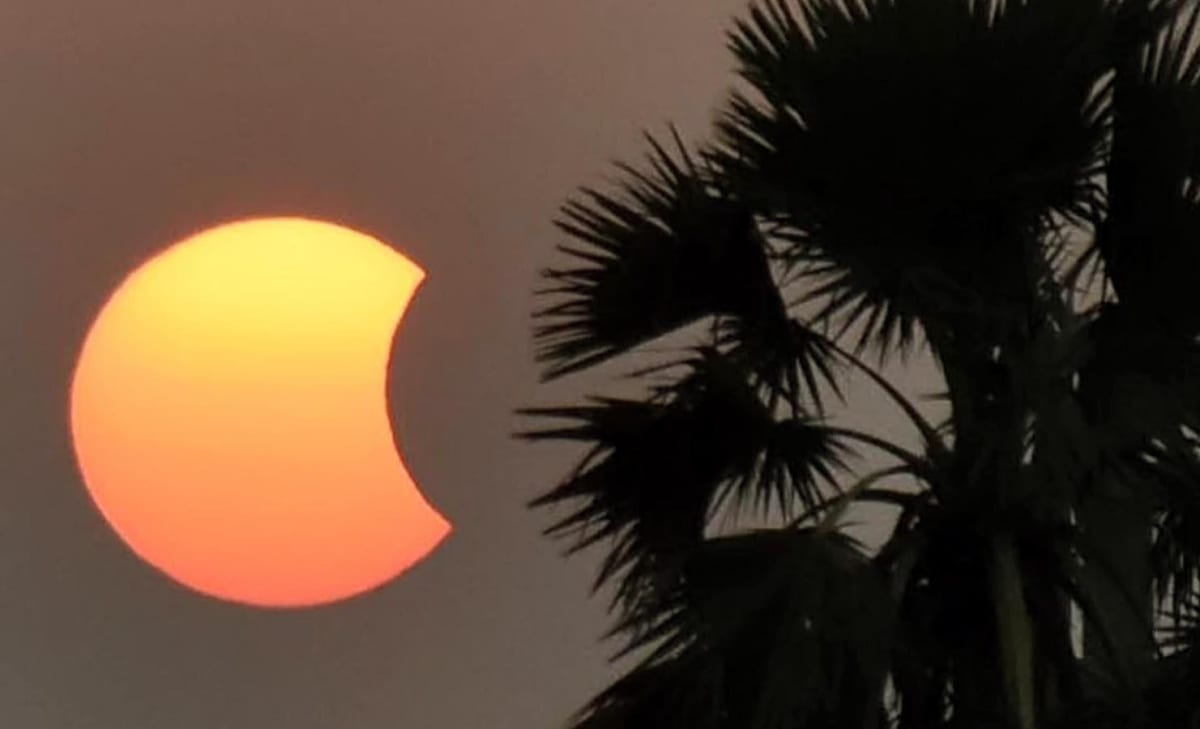
Solar Eclipse and Perseid Meteor Peak Same Day Aug. 12
On August 12, 2026, skywatchers get a rare double treat: a partial solar eclipse followed by the Perseid meteor shower under perfect moonless skies. It's one of the best opportunities for stargazing all year.
Mark your calendar for August 12, 2026, because the universe is giving us a gift that happens once in a blue moon: two spectacular sky shows in a single day.
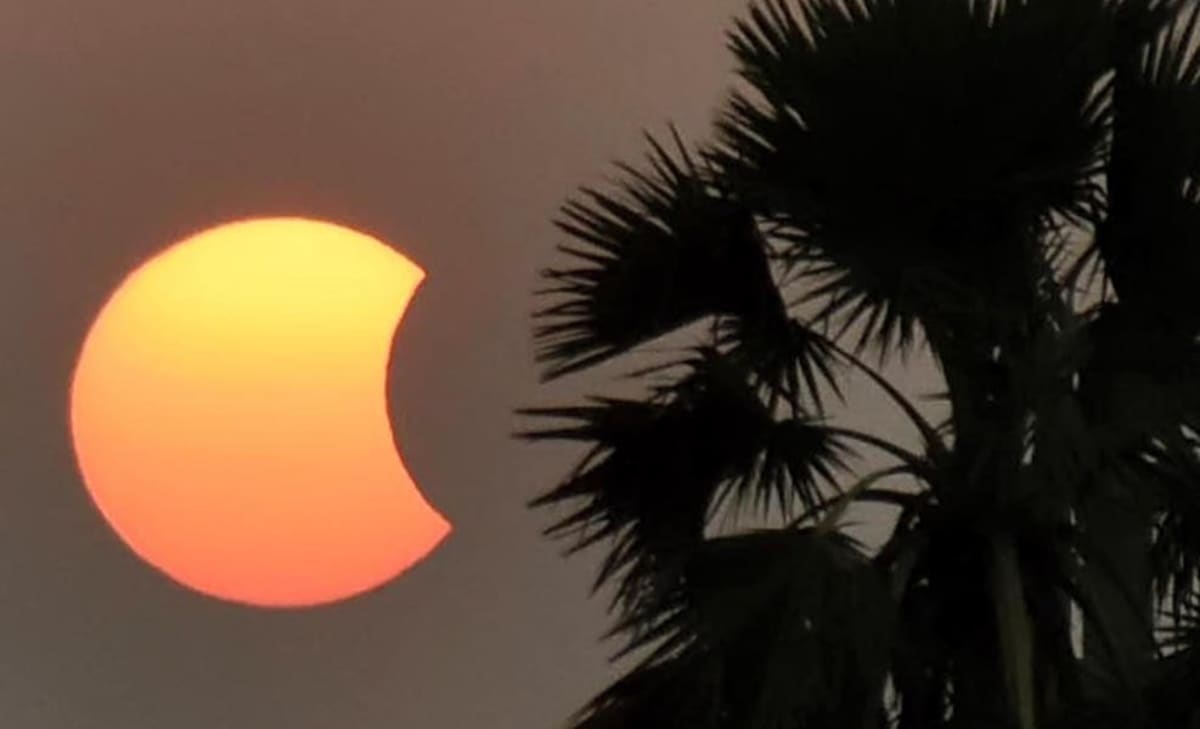
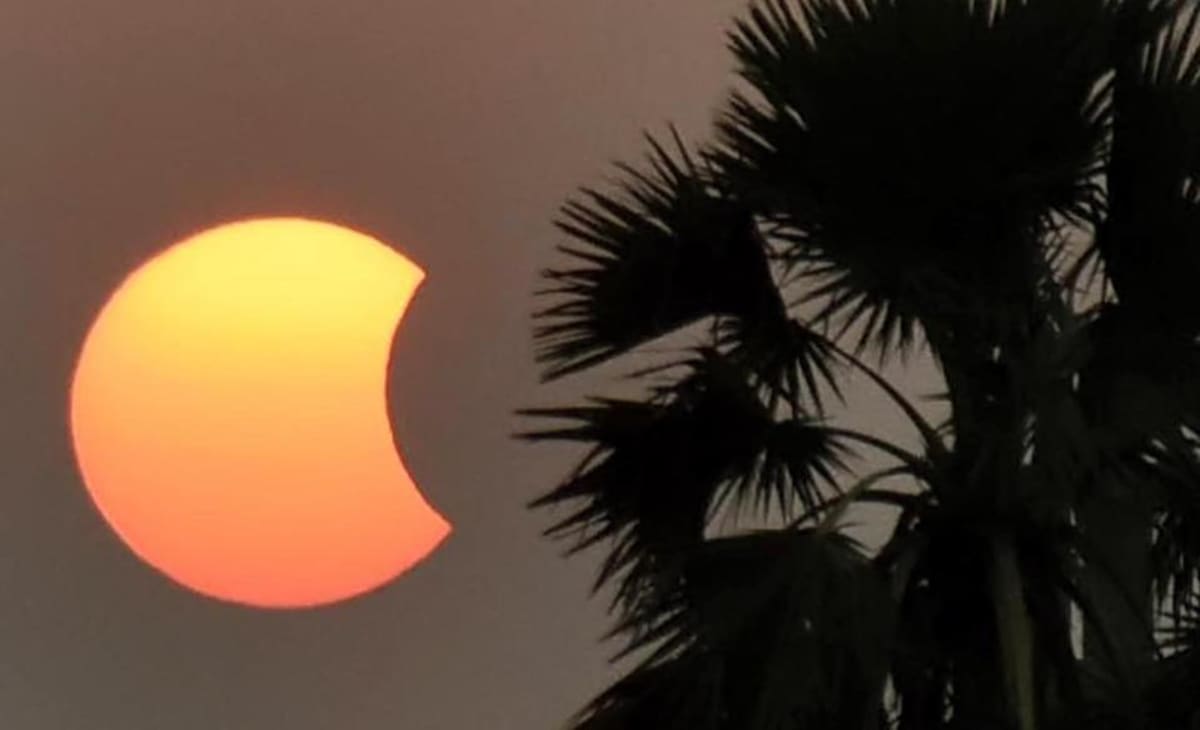
The cosmic double feature starts in daylight when the moon takes a bite out of the sun during a partial solar eclipse. Viewers across Alaska, eastern Canada, and 26 U.S. states will see the show, with Fairbanks getting the best view at 37% coverage around 8:27 a.m. East Coast cities like Boston and New York will see smaller but still noticeable eclipses in the early afternoon.
Europe gets an even better view. A narrow path through eastern Greenland, western Iceland, and northern Spain will experience total darkness for up to 2 minutes and 18 seconds. London and Paris will see over 90% of the sun covered.
Safety first: you need certified eclipse glasses that meet ISO 12312-2 standards for the entire partial eclipse. Your leftover glasses from the 2024 total eclipse work fine, just check them for scratches by shining a light through them.
Here's where it gets even better. Don't head inside when the eclipse ends because the real magic happens after dark.
The same new moon that created the eclipse leaves the night sky perfectly dark for the Perseid meteor shower's annual peak. Without moonlight washing out faint meteors, observers in dark rural areas could see 60 to 100 shooting stars per hour. Even suburban stargazers should catch a steady stream.
The best viewing time is after midnight when Earth turns directly into the debris stream left by Comet Swift-Tuttle. Meteors can appear anywhere in the sky, so just look up and let your eyes adjust for 20 minutes.
The Milky Way will arch beautifully across the southern sky from dark locations, and Venus will shine brilliantly as it swings closer to Earth. Through a small telescope, you'll see it half-illuminated like a tiny moon.
Why This Inspires
This celestial alignment reminds us that wonder is still free and available to everyone. You don't need expensive equipment or special access. Just step outside, look up, and share the same view humans have marveled at for thousands of years. In our busy, screen-filled lives, events like this give us permission to pause, gather with loved ones under the stars, and remember we're part of something much bigger.
Whether you catch the eclipse from a city sidewalk or spend the whole night meteor-watching from a national park, August 12 offers a chance to reconnect with the cosmos and each other.
More Images

Based on reporting by Google News - Science
This story was written by BrightWire based on verified news reports.
Spread the positivity!
Share this good news with someone who needs it
%2Fhttps%3A%2F%2Ftf-cmsv2-smithsonianmag-media.s3.amazonaws.com%2Ffiler_public%2Ff0%2Ffe%2Ff0fe19e4-e68b-474d-b0a4-19c5beb9d19d%2Fspeedy-star.webp)