Solar EV Charging Cuts Costs With Smart Power Timing
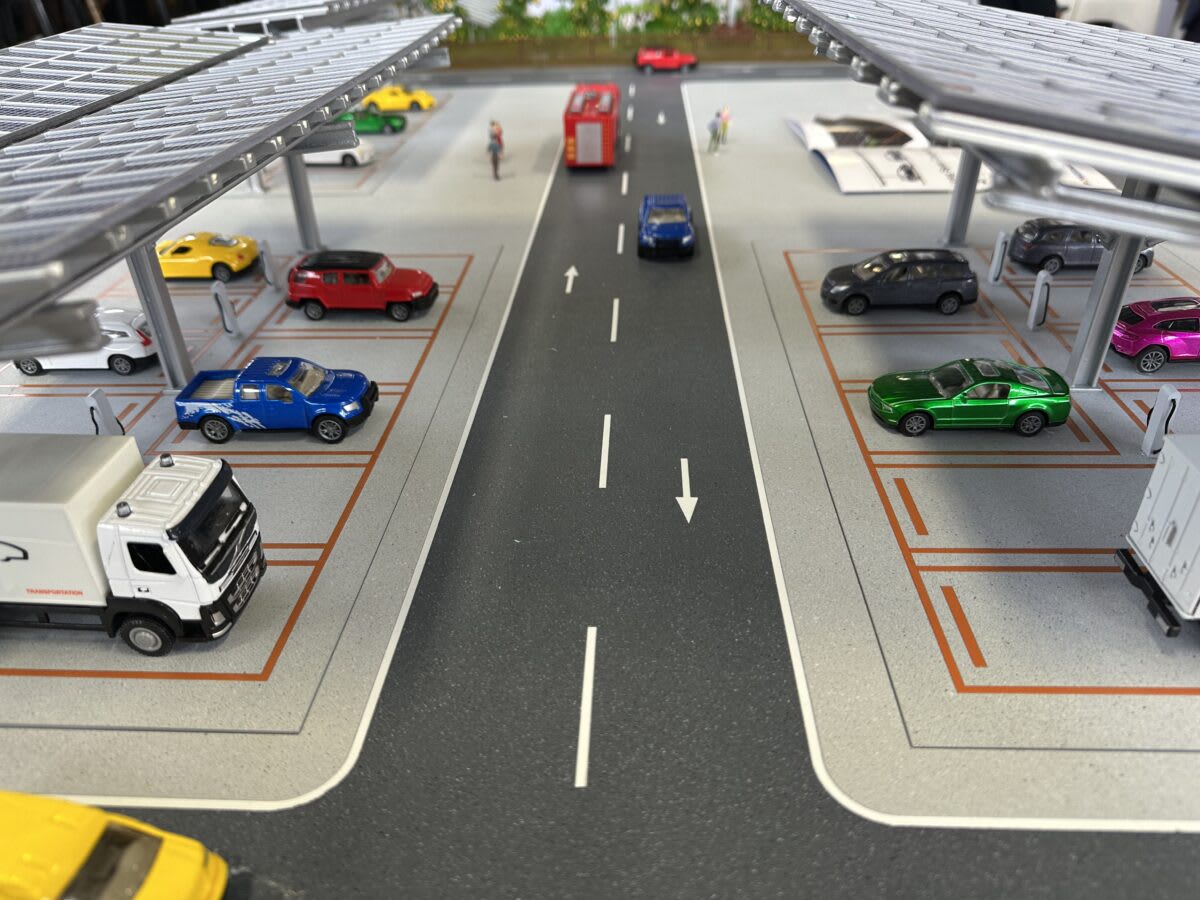
Six years of real-world data from France proves that matching electric vehicle charging with solar power production saves money and energy. The breakthrough findings show workplaces can dramatically cut costs by simply timing when cars charge.
Getting electric vehicles to charge when the sun is shining sounds simple, but researchers just proved it works better than anyone expected.
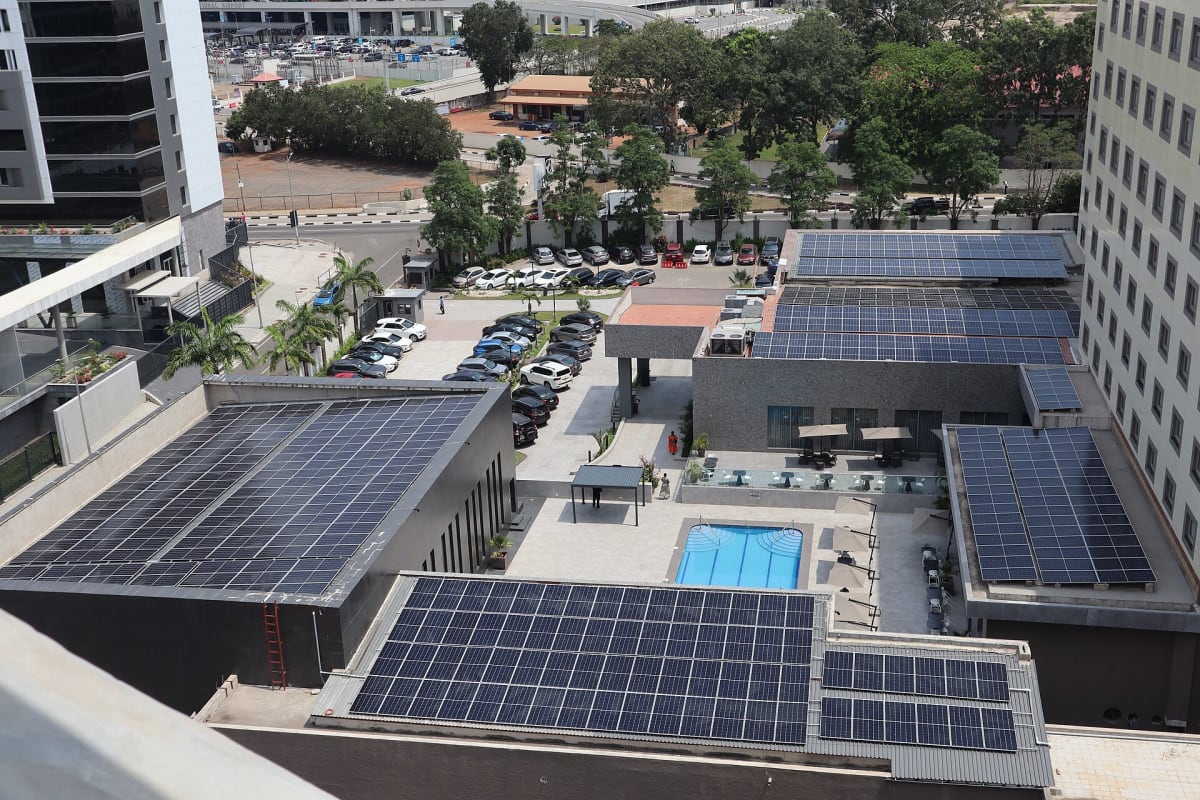
A groundbreaking study tracked more than 32,000 charging sessions across six years at a workplace in southern France. The results are clear: when charging times align with solar panel output, companies need fewer solar panels, use less grid electricity, and save significantly on costs.
The research analyzed data from over 350 electric vehicle users at roughly 80 charging stations. Smart charging systems that wait for sunny periods dramatically outperformed traditional plug-in-anytime approaches. Companies managing multiple charging sites can now replicate these strategies efficiently once they understand the relationship between solar production and charging demand.
The findings extend beyond workplaces. Cities with high sunshine naturally perform better, but the study revealed a surprising twist. Total annual sunlight matters less than seasonal timing. Dijon receives more sun than Poitiers overall, but Poitiers actually needs smaller, cheaper systems because its winter and fall sunshine better matches when people need to charge.
Grid-connected systems consistently beat off-grid setups over their 25-year lifespan, both in cost and carbon emissions. The sweet spot combines solar panels, battery storage, and smart grid connections that know when to draw power and when to store it.
The Ripple Effect
The implications reach far beyond individual charging stations. Electric buses in Compiègne, France, show how different charging strategies reshape entire city infrastructures. Charging only at depots requires massive 422 kWh batteries in each bus. Quick charging at terminals slashes battery size but demands enormous power spikes, up to 1,200 kilowatts when multiple buses plug in simultaneously.
Battery swapping stations offer another promising path forward. A modeled region of 200,000 people showed that swapping depleted batteries for charged ones increases solar integration because batteries can charge whenever the sun shines, not just when drivers arrive.
The research team emphasizes that hourly and seasonal data beats annual averages every time. Real-world charging patterns, weather variations, and user behavior all matter more than theoretical calculations suggested.
Implementation challenges remain, including battery wear from frequent charging cycles and the need for reliable communication systems. Yet the core conclusion stands firm: solar-powered EV charging works brilliantly when systems think ahead about timing.
As electric vehicles multiply worldwide, this data-driven approach offers cities and companies a proven roadmap for cleaner, cheaper transportation that runs on sunshine.
More Images

Based on reporting by PV Magazine
This story was written by BrightWire based on verified news reports.
Spread the positivity!
Share this good news with someone who needs it