Solar Farms Now Track Wildlife With Help From Beekeepers
A groundbreaking partnership is using beekeepers and honey analysis to monitor biodiversity at solar farms across America, turning clean energy sites into measurable wildlife havens. The innovative approach makes ecological tracking affordable and scalable for the first time.
Solar farms are becoming wildlife sanctuaries, and beekeepers are the surprising scientists making it happen.
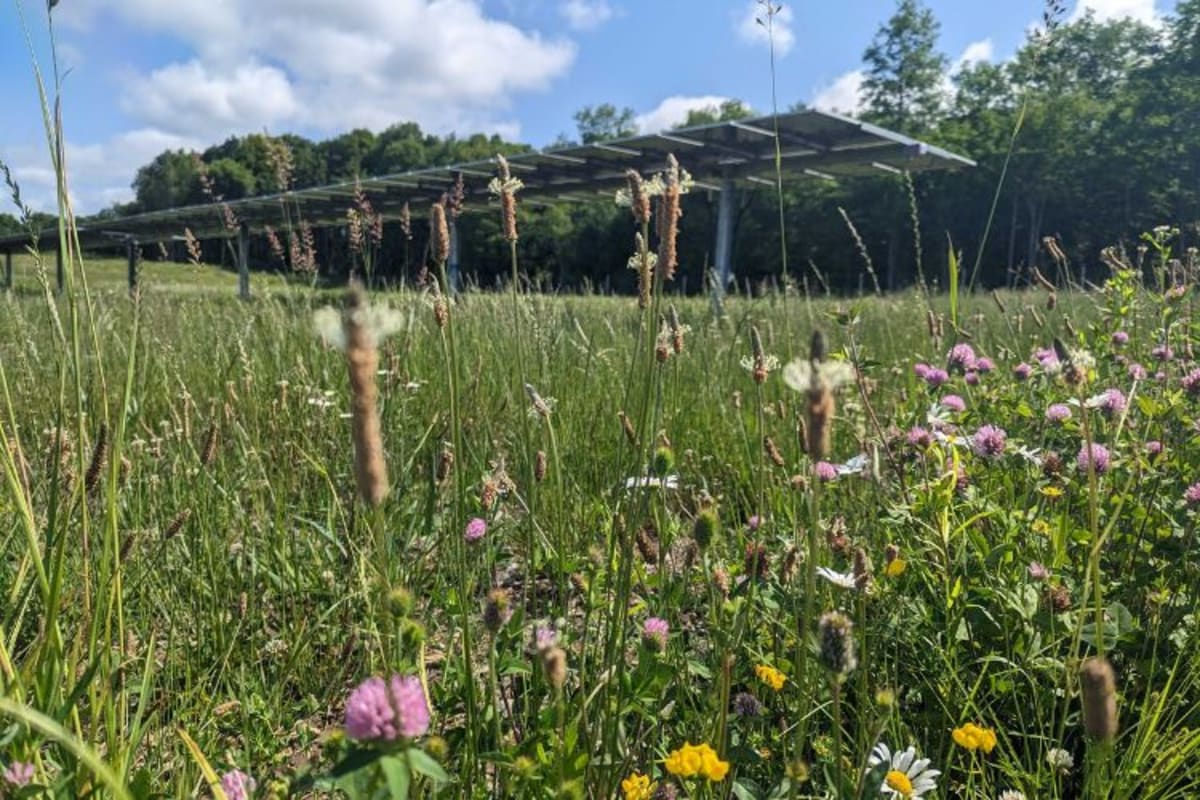
A new partnership between HiveTracks and Skyview Ventures is transforming how we understand the ecological impact of solar energy. By placing beehives at solar installations across the United States, trained beekeepers are collecting detailed data on plant diversity, pollinator activity, and habitat health without requiring expensive ecological consultants.
The approach addresses a major gap in renewable energy development. While solar projects must pass environmental reviews before construction, there's rarely any system for tracking whether wildlife and native plants actually thrive once panels are installed. Most sites stick to basic lawn maintenance that keeps grass short but does little to support local ecosystems.
Enter the bees. HiveTracks supplies a network of trained beekeepers who monitor conditions throughout the growing season while their hives produce honey. Laboratory analysis of that honey reveals which plants are blooming nearby, painting a detailed picture of biodiversity around the panels.
The setup creates multiple benefits from the same land. Solar panels generate clean electricity while their shade reduces ground temperatures by up to 4 degrees Celsius, creating microclimates where plants and pollinators can flourish. Beekeepers harvest honey as an additional income stream. Developers get reliable biodiversity data for reporting requirements.
Early results show the promise of pairing agriculture with solar energy. The shade from panels helps vegetation thrive in hot conditions, and those plants actually boost electricity production by cooling the panels themselves.
The Ripple Effect
This model turns environmental stewardship from a compliance burden into a trackable asset. Solar developers can now measure and report real ecological improvements over time without hiring full-time ecologists or adding significant costs. Local beekeepers gain new locations for their hives while contributing to scientific understanding of how renewable energy sites support native species.
As solar installations are projected to grow 57 percent by 2030, the potential scale of this ecological monitoring network is enormous. What works at a handful of sites today could soon provide biodiversity data across thousands of solar farms nationwide, helping communities see renewable energy as both climate solution and habitat restoration.
The innovation makes good news even better: clean energy sites aren't just carbon-neutral, they're becoming active contributors to local ecosystems.
Based on reporting by Renewable Energy World
This story was written by BrightWire based on verified news reports.
Spread the positivity!
Share this good news with someone who needs it