%2Ffile%2Fattachments%2Forphans%2FIman_hydroponics2_640677.jpg)
Solar Gardens Teach 100 Women Sustainable Farming in SA
Two South African schools are getting solar-powered vertical farms that grow food without soil and use 90% less water. The systems will train 100 women from surrounding communities in modern agriculture and entrepreneurship.
Fifty women in Cape Town and fifty in rural KwaZulu-Natal are about to learn farming skills that could transform their families and communities.
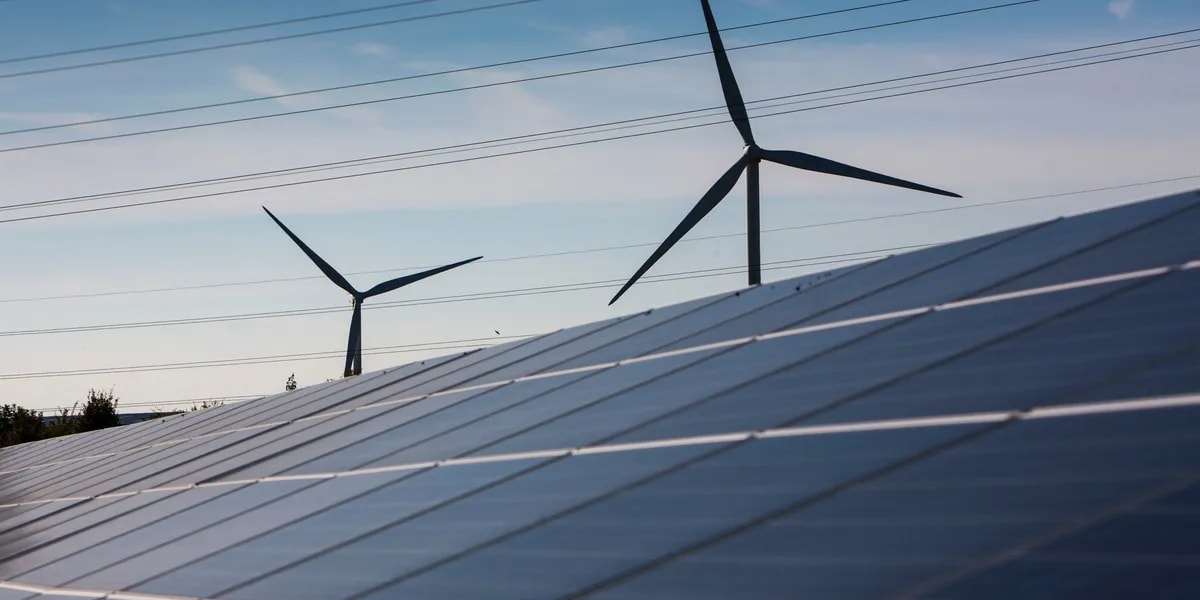
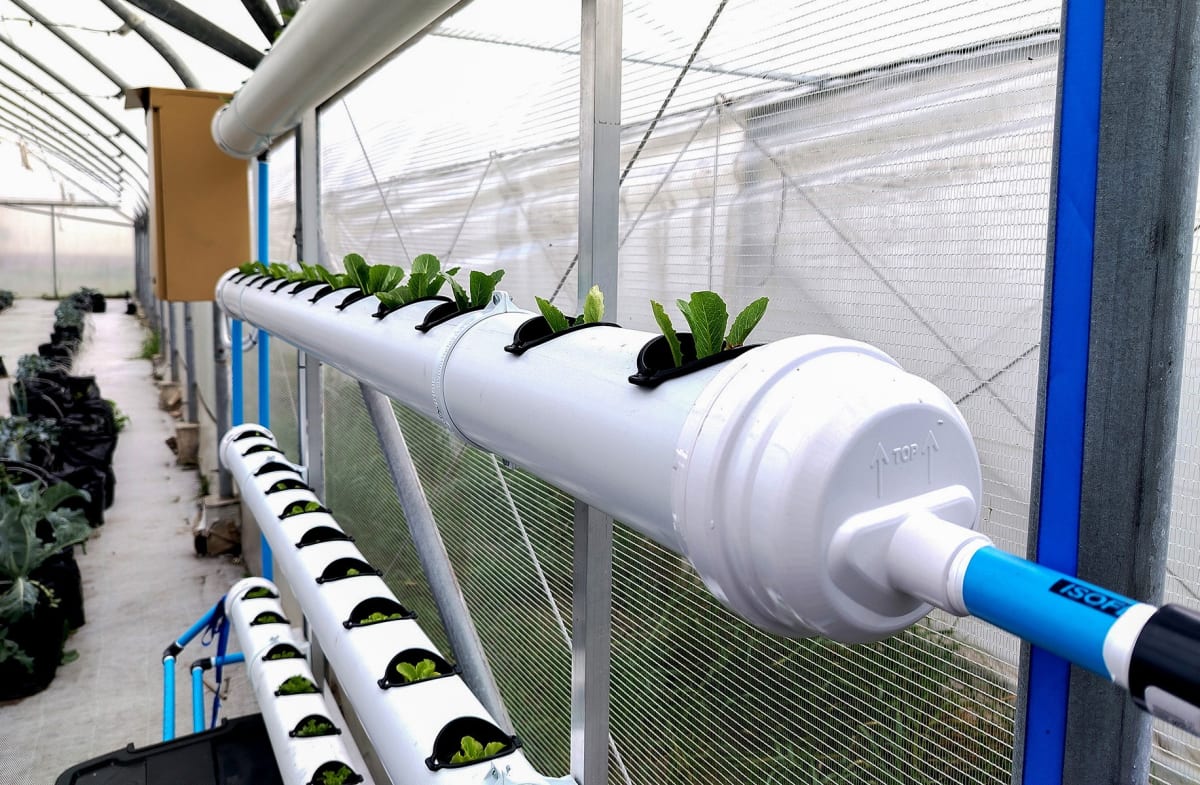
Islamic Relief South Africa is bringing cutting-edge vertical hydroponic systems to Pelican Park High School in Cape Town and James Nxumalo Agricultural High School in Ulundi. The solar-powered gardens grow vegetables without any soil, using just 10% of the water traditional farming requires.
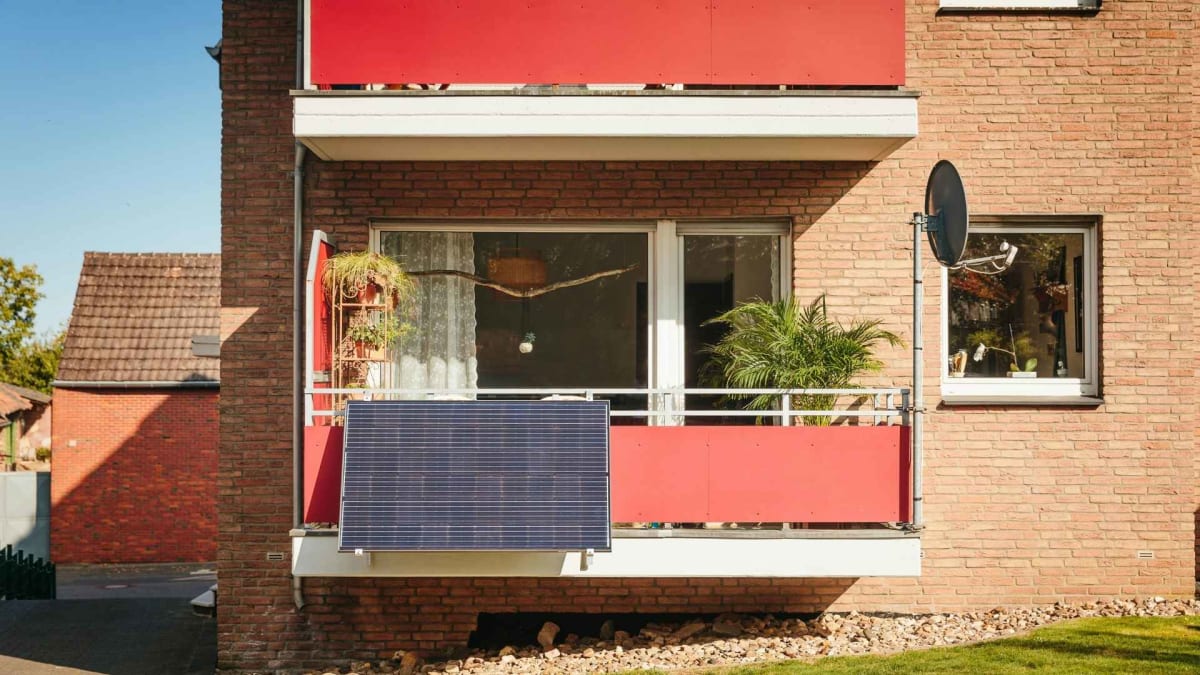
Ridaa Manuel, founder of Green New World, designed the systems specifically for women caring for orphans who needed both food and income. The vertical towers fit into small spaces like backyards, run entirely on solar power, and water themselves through an automated recycling system.
The technology grows leafy greens like spinach five times faster than conventional farming because plant roots get constant access to nutrients. A solar panel charges a battery that powers the pump circulating nutrient-rich water through the system in a continuous loop.
Pelican Park High School already has one system running, with eleven more arriving in August. The Ulundi school is receiving greenhouse tunnels first, followed by twelve hydroponic towers.
Students will learn to operate the systems in their agricultural classes, but the real game-changer is the community training program. One hundred women total, prioritizing parents and guardians from both school communities, will learn basic agricultural practices alongside the students.
After completing their training, participants receive certificates from the South African Institute of Entrepreneurship. Twelve women from each location will advance to specialized training in large-scale farming and business skills.
The Ripple Effect
The trained women can install similar systems at home and sell fresh produce to neighbors at prices lower than supermarkets. In communities where unemployment hits women hardest, these gardens offer both nutrition and income.
The systems address multiple challenges at once. They need almost no land, perfect for crowded townships. They're emission-free and require no electricity payments. They work despite water scarcity and degraded soil.
Deputy Principal Rodney Prince sees the greenhouse as an investment in both education and community resilience. Farm manager Clifford Caesar points out that the systems solve problems like land shortage that make traditional farming impossible for many families.
The program recognizes that food security and women's economic empowerment go hand in hand. These aren't just gardens but launching pads for micro-enterprises that can feed families and create jobs where few exist.
By August, 200 people will be growing the future in these solar-powered towers.
More Images
%2Ffile%2Fattachments%2Forphans%2FIman_hydroponics3_790770.jpg)
%2Ffile%2Fattachments%2Forphans%2FIman_hydroponics1_904342.jpg)
Based on reporting by Daily Maverick
This story was written by BrightWire based on verified news reports.
Spread the positivity!
Share this good news with someone who needs it