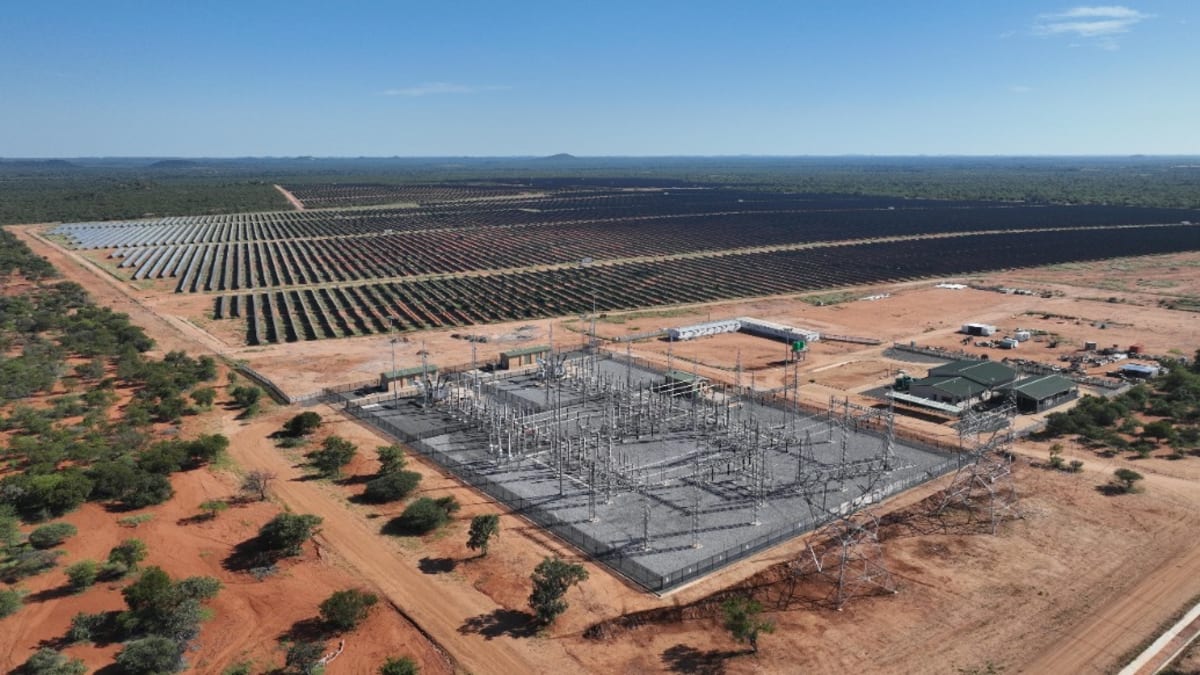
Solar Plus Batteries Now Power 25% of Evening Electricity
The sun is finally starting to work the night shift. New battery technology is storing enough solar power to light up homes long after sunset, bringing us closer to round-the-clock clean energy.
Solar panels just learned how to stay up past bedtime, and it's transforming how the world gets its electricity. In California, solar power combined with batteries now meets more than a quarter of electricity demand during evening hours, up from less than 7% just three years ago.
The numbers tell an incredible story of progress. Solar generated over 10% of the world's electricity in early 2026, nearly double its share from 2023. Even more impressive, solar power grew seven times faster than total electricity generation over the past three years.
But there was always a catch. Solar panels only work when the sun shines, leaving fossil fuels to take over every evening. Between 11 AM and 2 PM, solar met more than 25% of global electricity demand. By 8 PM, it dropped to nearly zero.
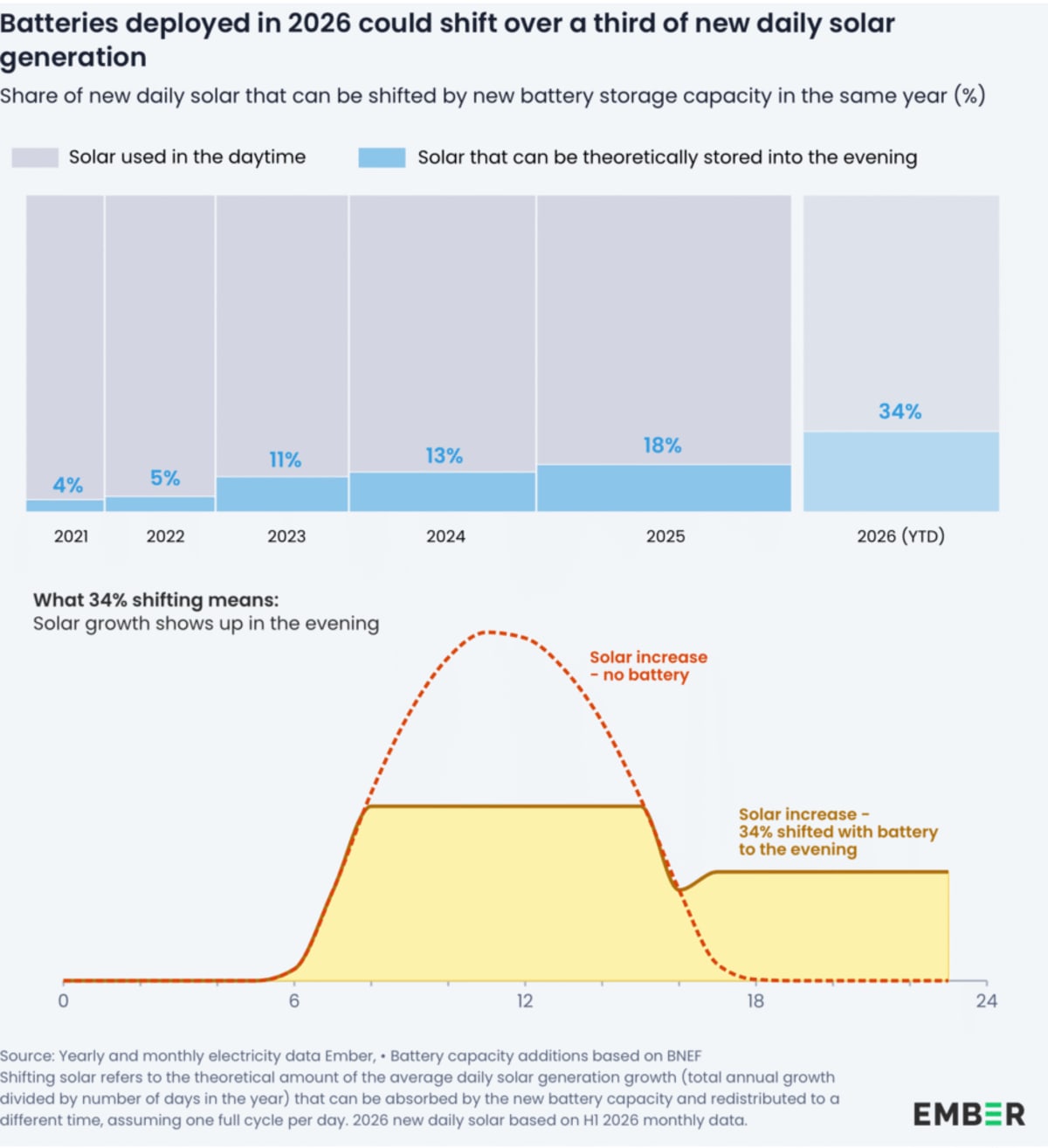
That's where batteries are changing everything. New battery installations in 2026 reached 459 gigawatt-hours, a 50% jump from 2025. These batteries can now shift 34% of daily solar generation to nighttime hours, compared to just 18% last year and only 4% five years ago.
The secret? Battery costs have plummeted 95% since 2010, from $2,634 per kilowatt-hour to just $140. This price drop made it affordable to pair solar farms with massive battery banks that soak up sunshine during the day and release it when families come home for dinner.
Some countries are racing ahead. Bulgaria installed enough storage to shift 77% of its new solar generation to non-solar hours. Chile hit 76%, while Australia reached 60%. Bulgaria went from virtually no battery storage in 2023 to over 8.6 gigawatt-hours by May 2026.
The results are already visible in evening power grids. In Chile, batteries helped solar meet more than 10% of evening electricity demand in early 2026. In Bulgaria, solar and storage together covered nearly a quarter of demand between 7 PM and 9 PM.
The Ripple Effect
This shift means cleaner air for millions of families. Between 2023 and 2026, fossil fuel generation during midday hours dropped from 86 gigawatts to 69 gigawatts globally. Evening fossil fuel use is finally starting to decline too, falling from 106 gigawatts to 101 gigawatts during peak hours.
The United States added 58 gigawatt-hours of storage in 2025 alone, enough to shift about a quarter of new daily solar generation into evening hours. Even as electricity markets adjust to make batteries more effective, the trend is clear: sunset no longer means the end of solar power.
Experts note batteries work best alongside wind, hydropower, and other clean sources for truly reliable power. But for the first time, the dream of affordable, round-the-clock solar energy is moving from science fiction to daily reality.
More Images



Based on reporting by PV Magazine
This story was written by BrightWire based on verified news reports.
Spread the positivity!
Share this good news with someone who needs it