Solar Power Set to Become World's Dominant Energy Source
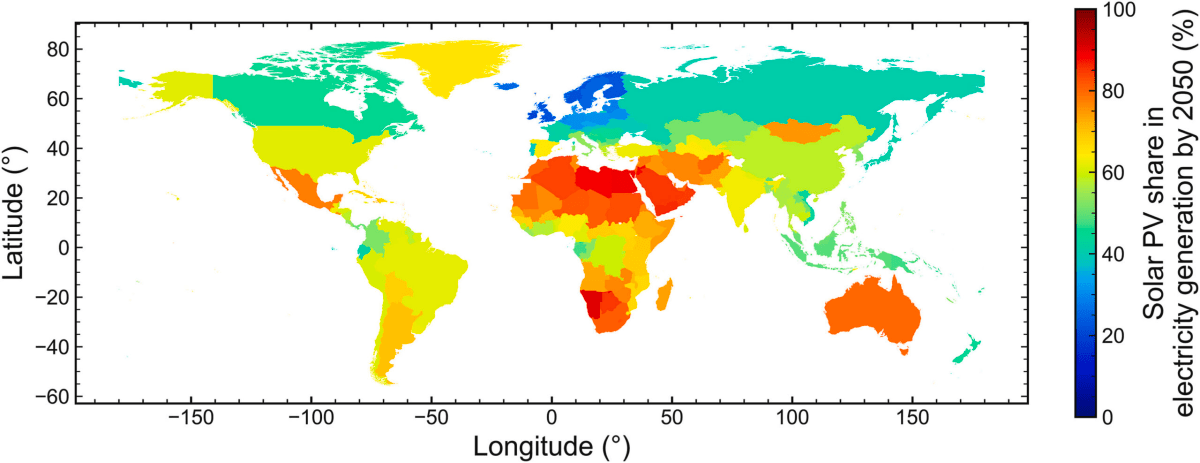
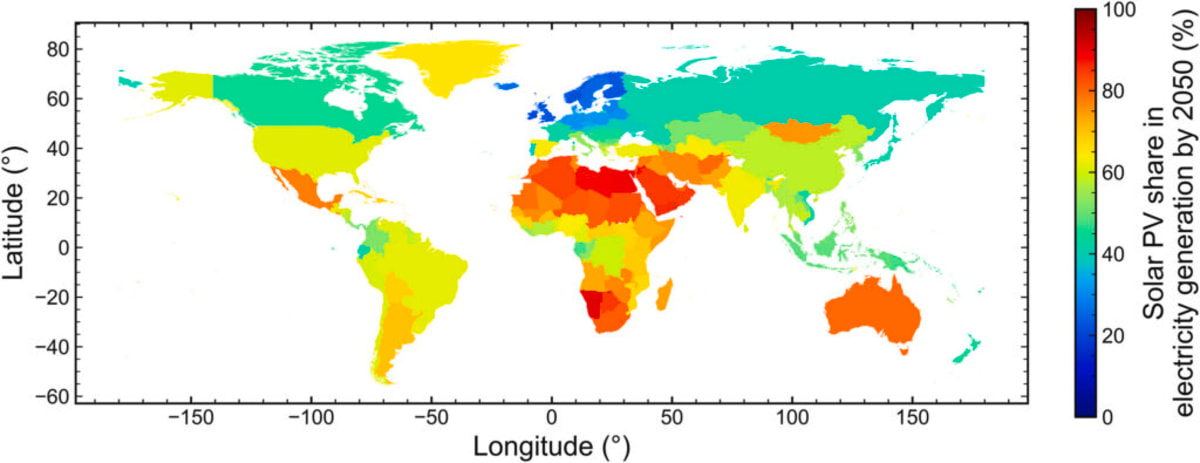
After 50 years of research and innovation, solar power is poised to supply 61% of the world's electricity by 2050, transforming how we power our lives. The shift is already underway, with solar making up 70% of all new power capacity added globally in 2025.
The clean energy revolution just hit a tipping point that researchers have spent five decades working toward.
Two groundbreaking studies from leading universities across Europe reveal that solar power is rapidly becoming humanity's dominant energy source, powered by costs that have fallen faster than almost anyone predicted. What started as a niche technology is now the fastest-growing electricity source in human history.
The research analyzed 60 peer-reviewed studies on renewable energy transitions and found remarkable agreement. Most studies show solar and wind power will provide between 80% and 99% of electricity generation by 2050. Solar alone is expected to supply roughly 61% of the world's electricity within 25 years.
The speed of this transformation catches many by surprise. In 2025 alone, nearly 700 gigawatts of solar capacity were added worldwide, bringing total installations to about 3 terawatts. That's enough to power billions of homes with clean energy.
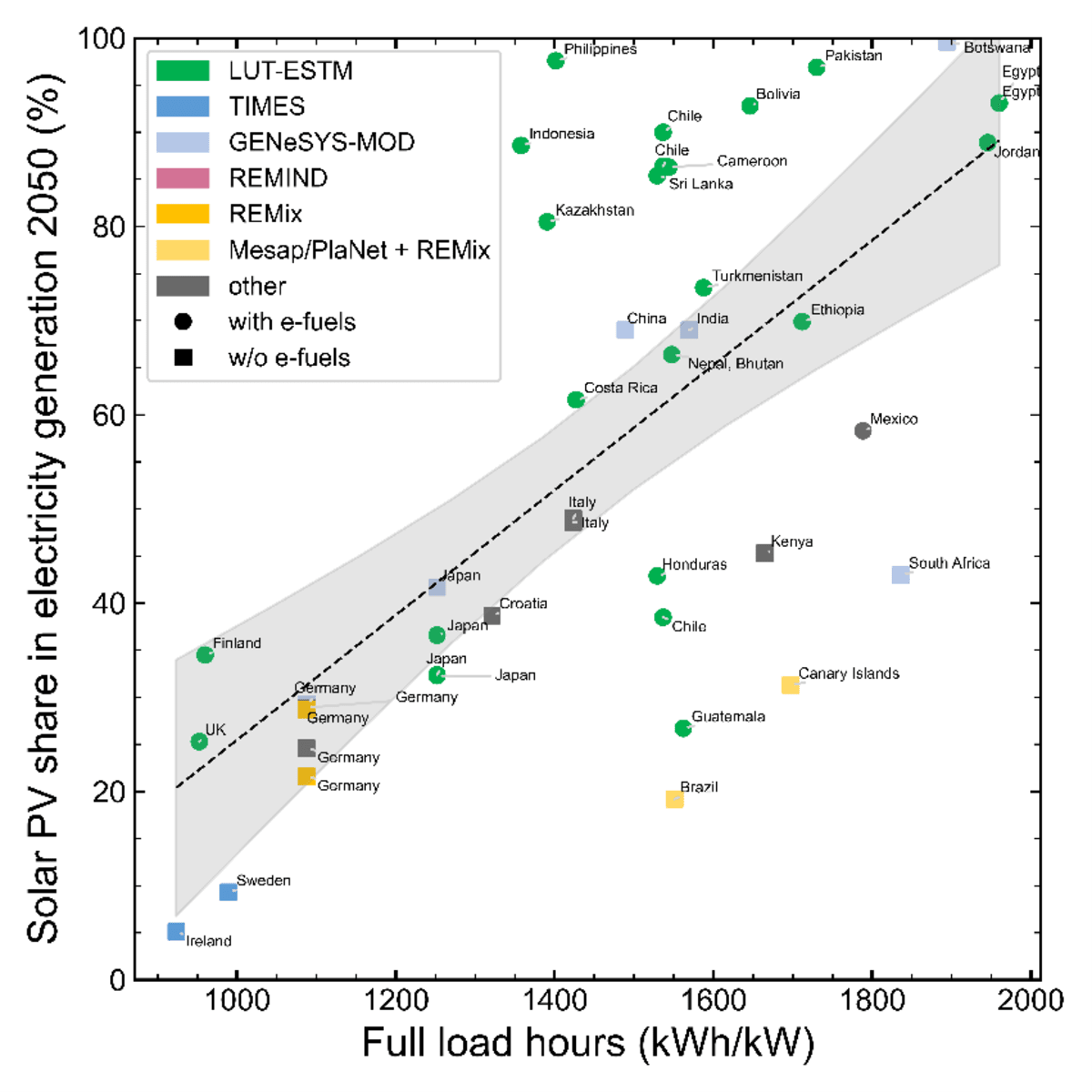
What changed? The cost of solar panels crashed dramatically. Many older studies assumed solar would still cost over $500 per kilowatt in 2050, but real-world installations have already dropped below that level today. When researchers update their models with accurate costs, solar's future role expands significantly.
The technology itself has evolved beyond simple rooftop panels. Today's solar toolkit includes floating panels on reservoirs, agricultural land that grows both crops and energy, tracking systems that follow the sun, and panels that capture light from both sides. Models that account for this diversity consistently predict higher solar adoption.
Solar's reach extends beyond the power grid too. Cheap solar electricity converts into hydrogen fuel, sustainable chemicals, clean water, and even carbon removal technologies that can help restore the climate. Countries with strong sunlight and diverse applications see solar providing up to 98% of their energy needs.
The Ripple Effect
This solar surge creates opportunities far beyond clean electricity. As solar becomes the cheapest power source globally, it unlocks solutions for transportation, industry, and sectors previously thought impossible to decarbonize. Communities worldwide gain access to affordable, locally produced energy instead of depending on fossil fuel imports.
The transition empowers millions of households to become energy producers, not just consumers. Countries with abundant sunshine can export clean fuels and materials, reshaping global trade. Rural areas gain economic opportunities through solar farms and innovation.
Perhaps most inspiring is how this shift arrived through steady innovation and determination. Researchers, engineers, and advocates spent 50 years improving the technology and bringing costs down, proving that patient effort can solve even planetary challenges.
The dawn of the solar age isn't coming anymore—it's already here.
More Images
Based on reporting by PV Magazine
This story was written by BrightWire based on verified news reports.
Spread the positivity!
Share this good news with someone who needs it