Solar Powers Through Bangladesh's Energy Crisis
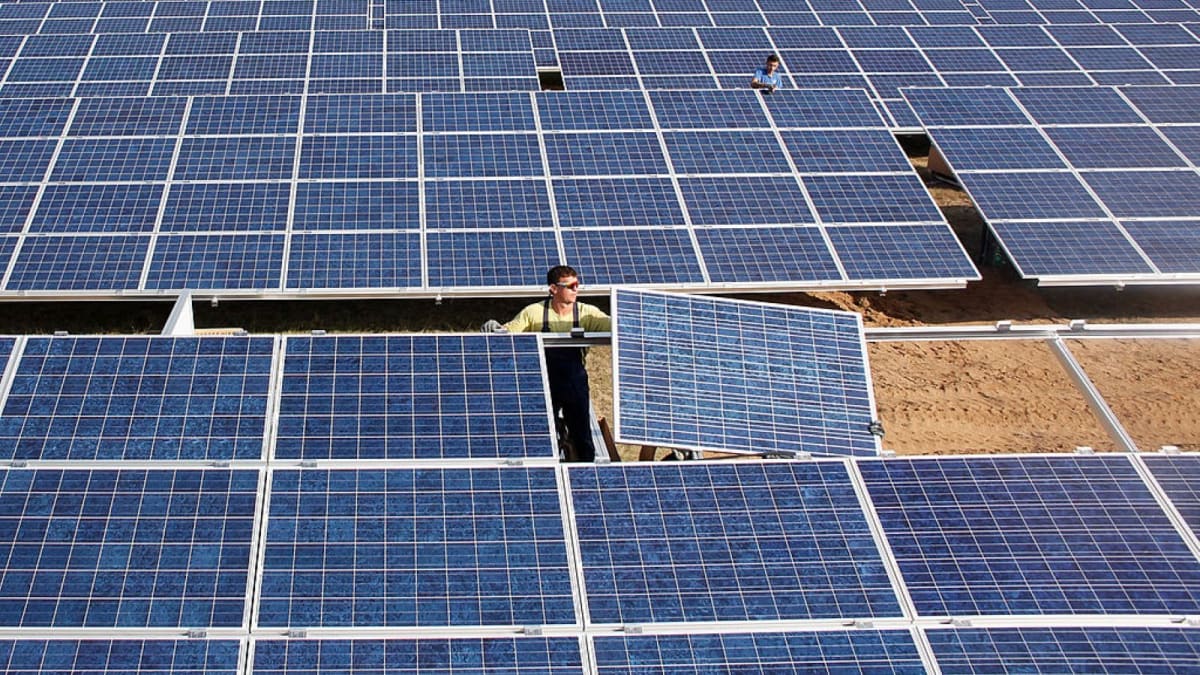
While fuel shortages have shut down 52 power plants across Bangladesh, solar facilities keep generating electricity and stabilizing the grid. In the country's poorest northern region, solar now provides 84% of daytime power. #
While fuel shortages force blackouts across Bangladesh, solar panels keep spinning the lights on.
At least 52 of the country's 136 power plants sit idle due to gas and coal shortages. Even the massive 1,200-megawatt Ghorashal plant near Dhaka, one of the nation's largest facilities, has been completely shut down since February. Meanwhile, solar facilities continue generating power every single day without needing a drop of imported fuel.
The contrast is striking. On May 9, Bangladesh's solar plants hummed along producing electricity while fossil fuel plants struggled with supply constraints and maintenance shutdowns. Although solar still represents just 2.7% of the country's total capacity, that contribution becomes crucial when gas shortages leave thousands of megawatts offline.
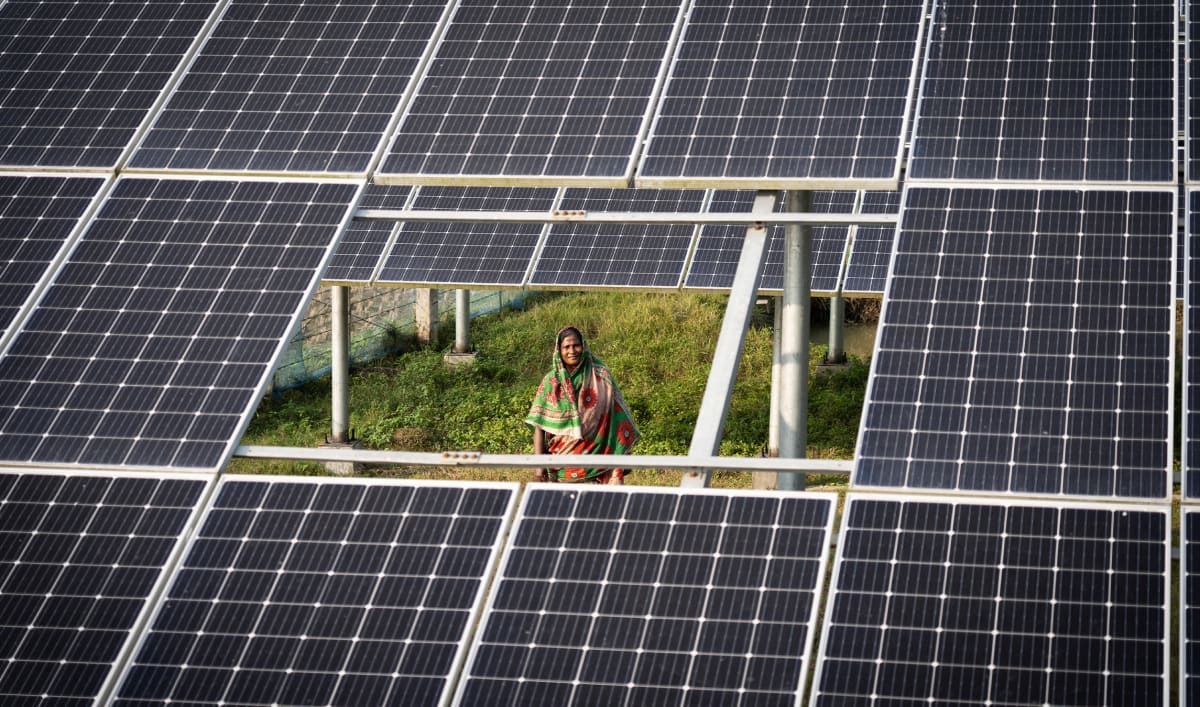
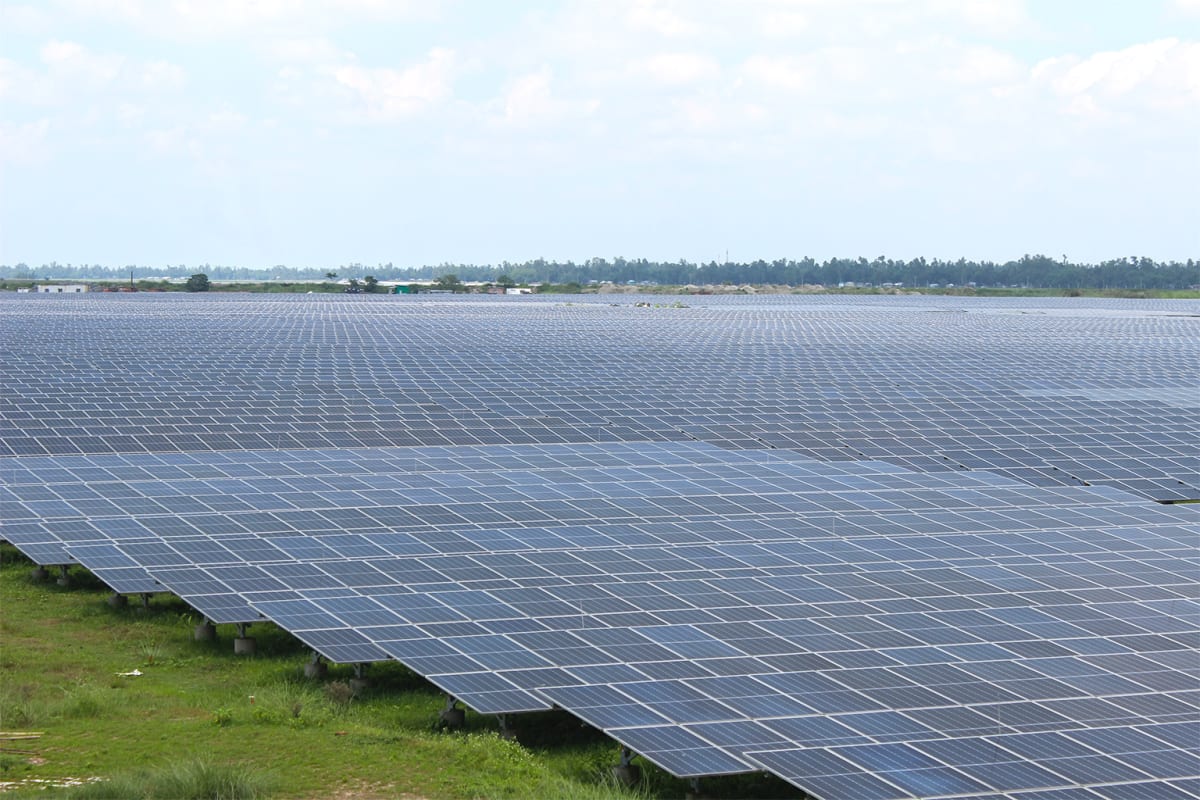
Northern Bangladesh's Rangpur region tells an even more remarkable story. This area, one of the country's poorest, now relies on solar for 84% of its daytime electricity. The region hosts several major solar facilities, including the 200-megawatt Teesta Solar plant in Gaibandha, which generates enough power daily to serve hundreds of thousands of homes.
"During the summer season, these solar plants achieve their highest output," said Md. Sazid Zakir, senior manager at Teesta Solar. The facility produces 1,000 to 1,200 megawatt-hours daily without any fuel input, selling electricity to the grid at about 10 cents per kilowatt-hour.
Back at the shuttered Ghorashal plant, 1,200 employees wait for gas supplies that haven't arrived in months. Manager Mohammad Abul Kalam explained that if gas returned today, the plant could immediately generate 615 megawatts. Instead, the facility sits idle while technical risks mount.
The Bright Side
Bangladesh is learning a powerful lesson about energy independence. Every solar panel installed reduces the country's exposure to volatile global fuel markets that can shut down power plants without warning.
Experts note that expanding solar infrastructure could help Bangladesh stabilize its electricity supply during future fuel crises. The technology works particularly well in a country with abundant sunshine, and costs continue dropping as the industry matures.
The path forward requires addressing real challenges around land availability and policy support. But northern Bangladesh's success shows what's possible when solar gets the chance to shine.
While renewables still account for just 2.3% of Bangladesh's energy mix compared to the global average of 33.8%, every crisis reveals their value a little more clearly.
#
More Images


Based on reporting by Mongabay
This story was written by BrightWire based on verified news reports.
Spread the positivity!
Share this good news with someone who needs it