Solid-State EV Batteries Move Closer to Mass Production
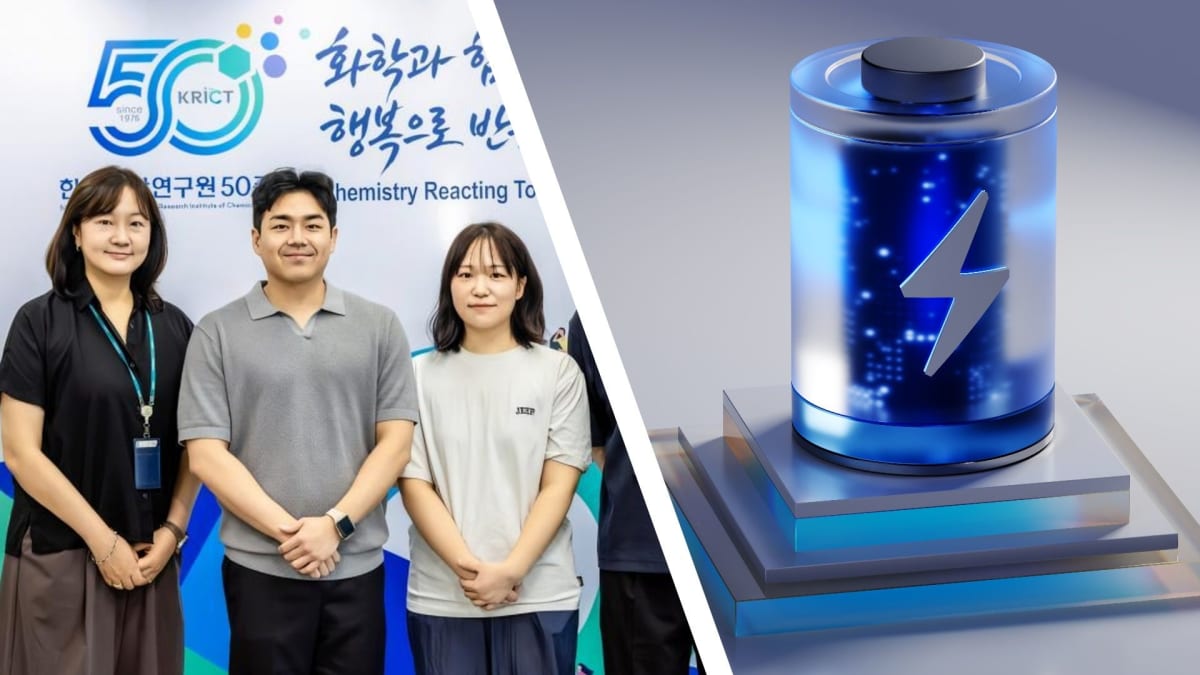
Two battery industry leaders just joined forces to make next-generation electric vehicle batteries a reality for everyday drivers. The breakthrough technology promises longer range, faster charging, and better performance than today's EVs.
South Korea's SK On and US-based Factorial Energy announced a partnership this week that could transform electric vehicles as we know them. Their goal is ambitious but clear: bring solid-state batteries from the lab to the streets.
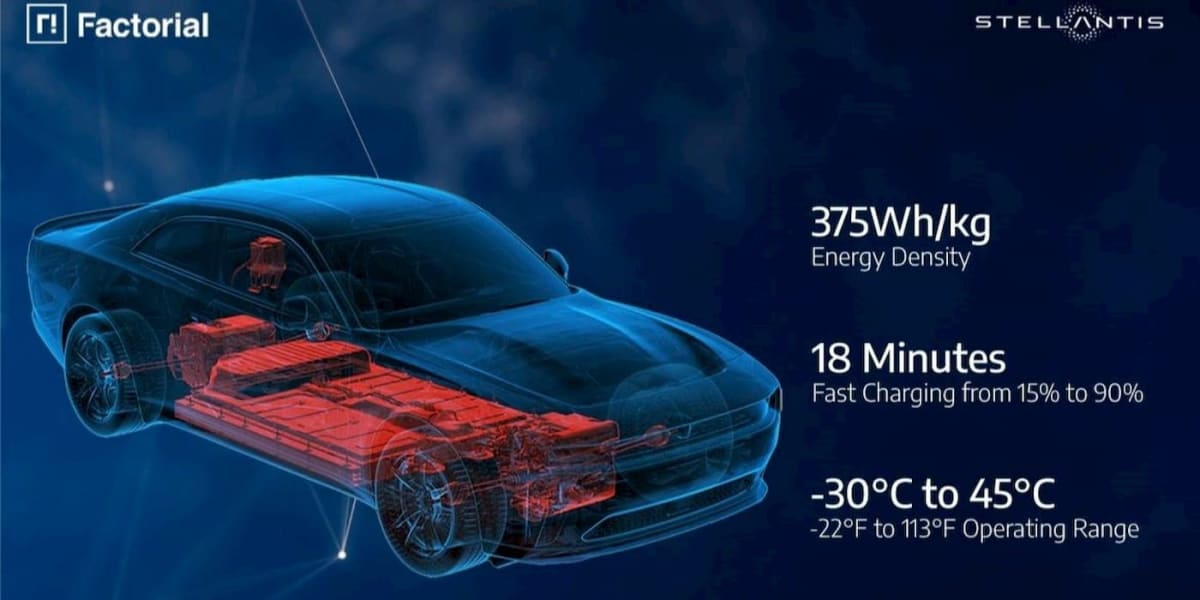
Solid-state batteries represent a massive leap forward from current lithium-ion technology. They pack more energy into smaller spaces, charge faster, and work better in extreme temperatures from negative 22°F to 113°F.
The challenge until now has been making them affordable and scalable. Finding solid materials that conduct electricity without cracking during manufacturing has stumped even the brightest engineers, and production costs have stayed stubbornly high.
Under their new agreement, Factorial will contribute its FEST solid-state technology while SK On brings manufacturing muscle. SK On operates battery plants with over 200 gigawatt hours of annual capacity globally, including 100 GWh in the United States alone.
"A battery breakthrough only matters if it can be manufactured at scale," said Factorial CEO Siyu Huang. The partnership will assess whether SK On's existing facilities can support solid-state production.
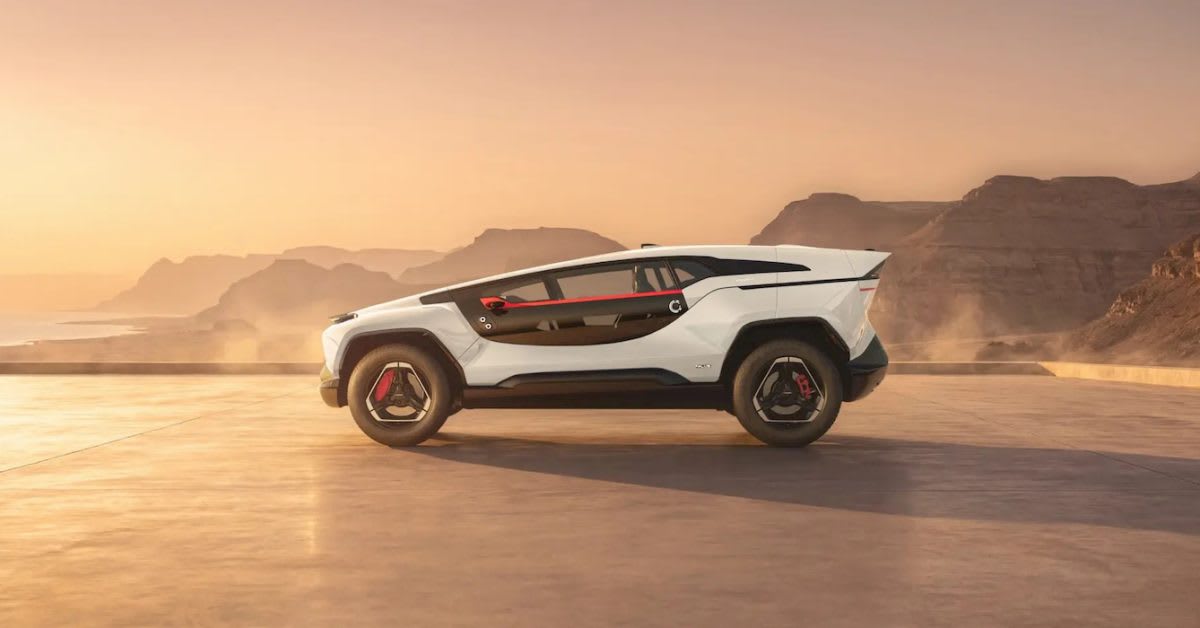
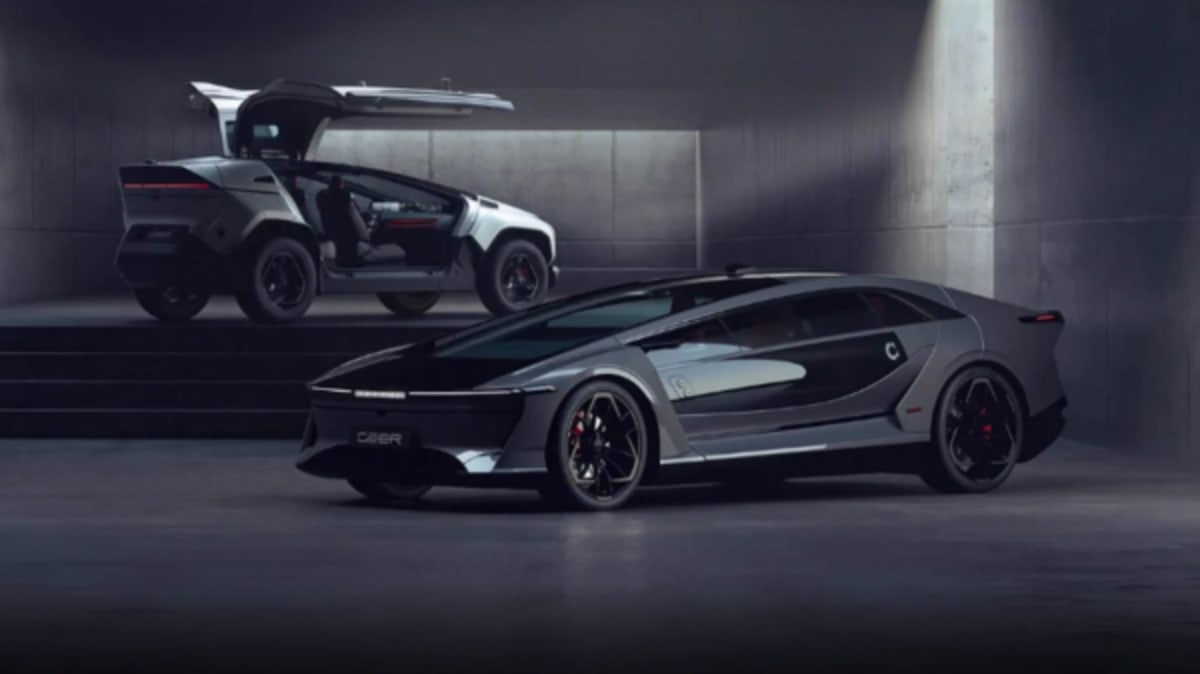
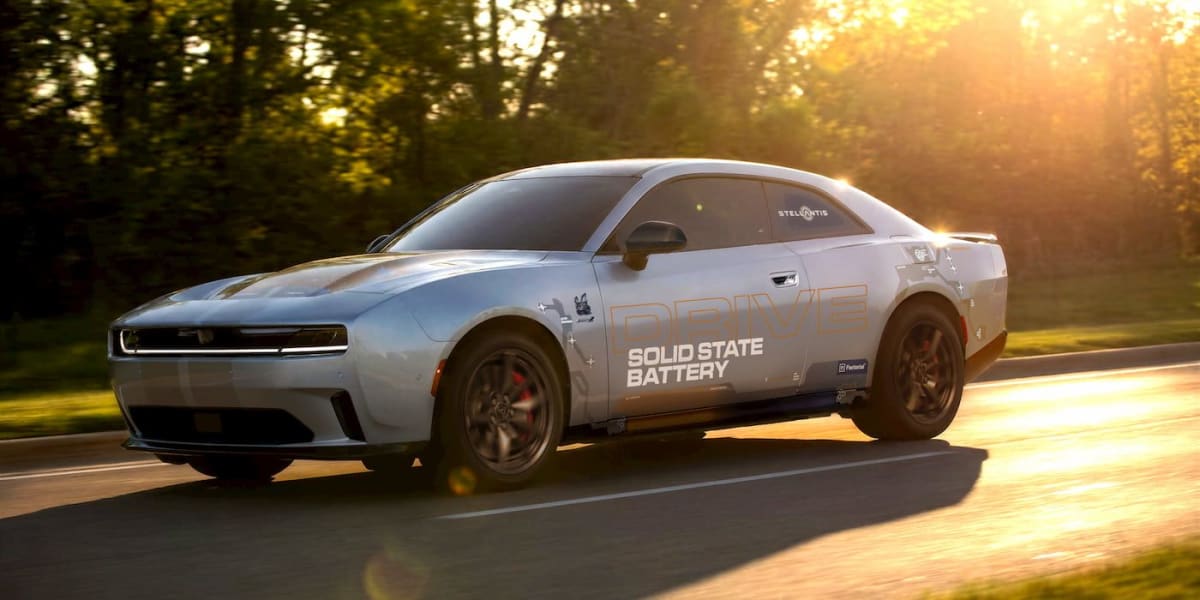
The results so far look promising. Last month, Factorial and Stellantis began road testing these batteries in a Dodge Charger Daytona prototype in North America.
Those test cells delivered stunning performance: ultra-fast charging from 15% to 90% in just 18 minutes. They also achieved an energy density of 375 watt-hours per kilogram while lasting over 600 charging cycles.
The Ripple Effect
This partnership doesn't exist in isolation. Factorial is already working with Mercedes-Benz, Hyundai, Kia, and Stellantis to commercialize the technology.
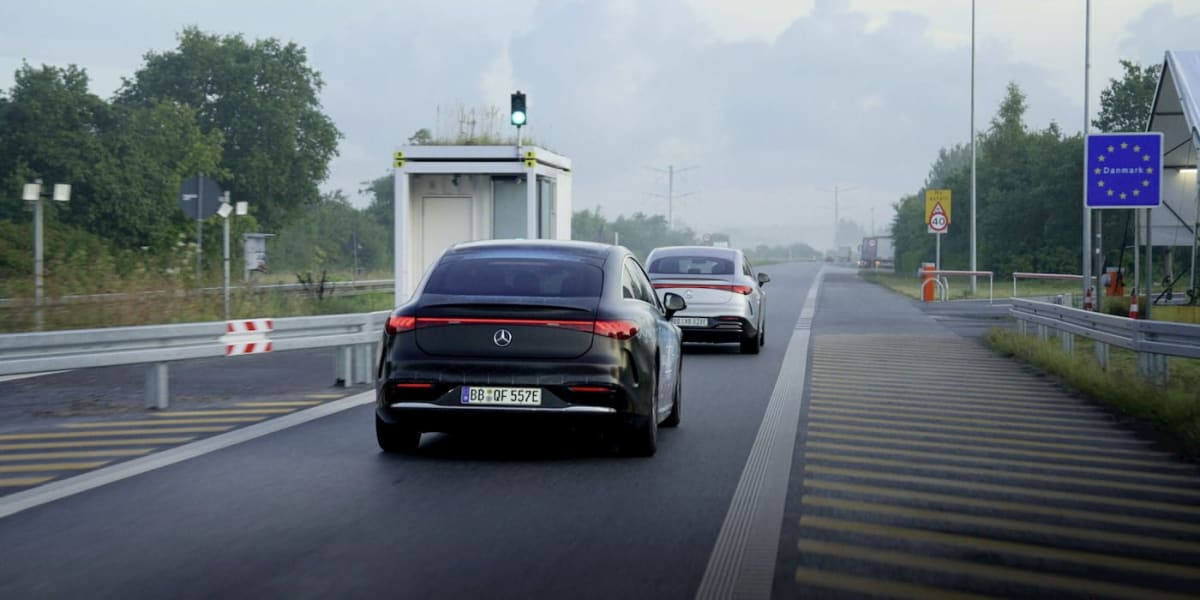
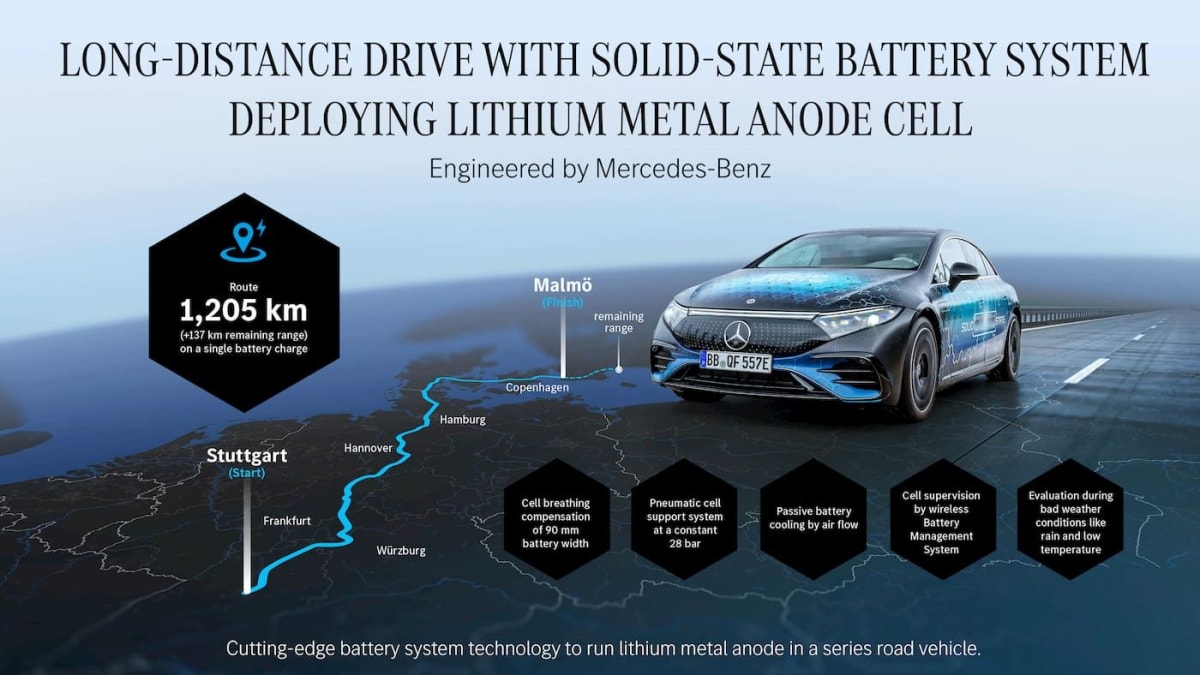
Last fall, Mercedes drove a modified EQS sedan over 745 miles on a single charge using Factorial's solid-state cells. Mercedes' technology chief Markus Schäfer called the battery tech a potential "gamechanger" for electric vehicles.
Meanwhile, SK On supplies batteries to major automakers including Hyundai, Ford, and Volkswagen. Their global manufacturing network means any breakthroughs could quickly reach millions of drivers.
The partnership builds on Factorial's December alliance with South Korea's POSCO FUTURE M to develop solid-state battery materials. Together, these collaborations create an ecosystem spanning materials science, battery manufacturing, and vehicle production.
For drivers, the implications are clear: future EVs could travel farther, charge faster, and perform better in cold winters and hot summers than current models.
The two companies will now work to determine feasibility and integration pathways for mass production, turning laboratory success into showroom reality.
More Images
Based on reporting by Google News - Tech Breakthrough
This story was written by BrightWire based on verified news reports.
Spread the positivity!
Share this good news with someone who needs it