Sound Waves Fixed Woman's Addiction Without Surgery
A mother watched her daughter struggle with methamphetamine addiction for years until a TV segment revealed a breakthrough treatment that uses ultrasound to heal the brain without cutting into the skull. This new procedure could transform how we treat addiction for millions of Americans.
Linda McNulty had nearly given up hope when she turned on her TV one evening in early 2024. Her daughter Erin had been missing for weeks, lost to methamphetamine addiction after years of battling substance use that started in high school.
Then a 60 Minutes segment changed everything. Linda watched, stunned, as doctors at West Virginia University described a procedure that could treat addiction using focused ultrasound beams instead of scalpels.
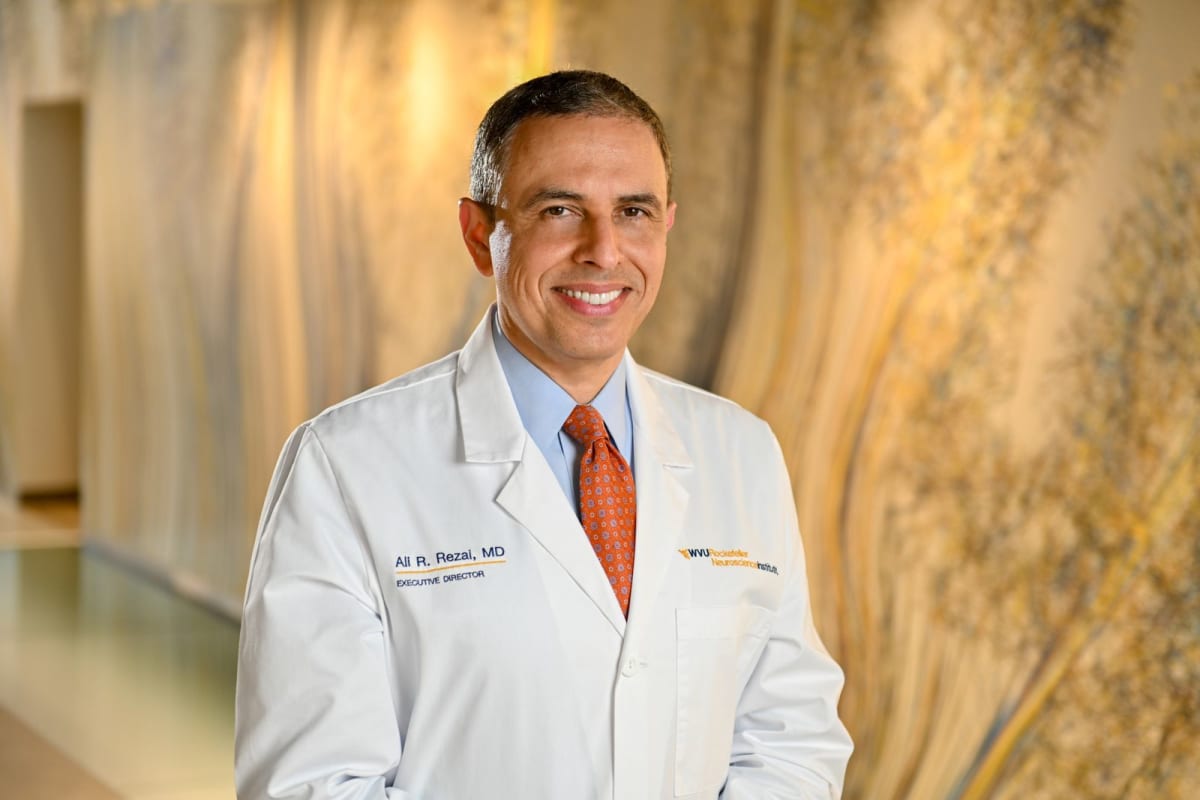
The breakthrough comes from neurosurgeon Ali Rezai, who spent 30 years performing over 3,000 brain surgeries to treat conditions like Parkinson's and addiction. He pioneered deep brain stimulation, which requires cutting into the skull to implant electrodes that reach deep brain structures.
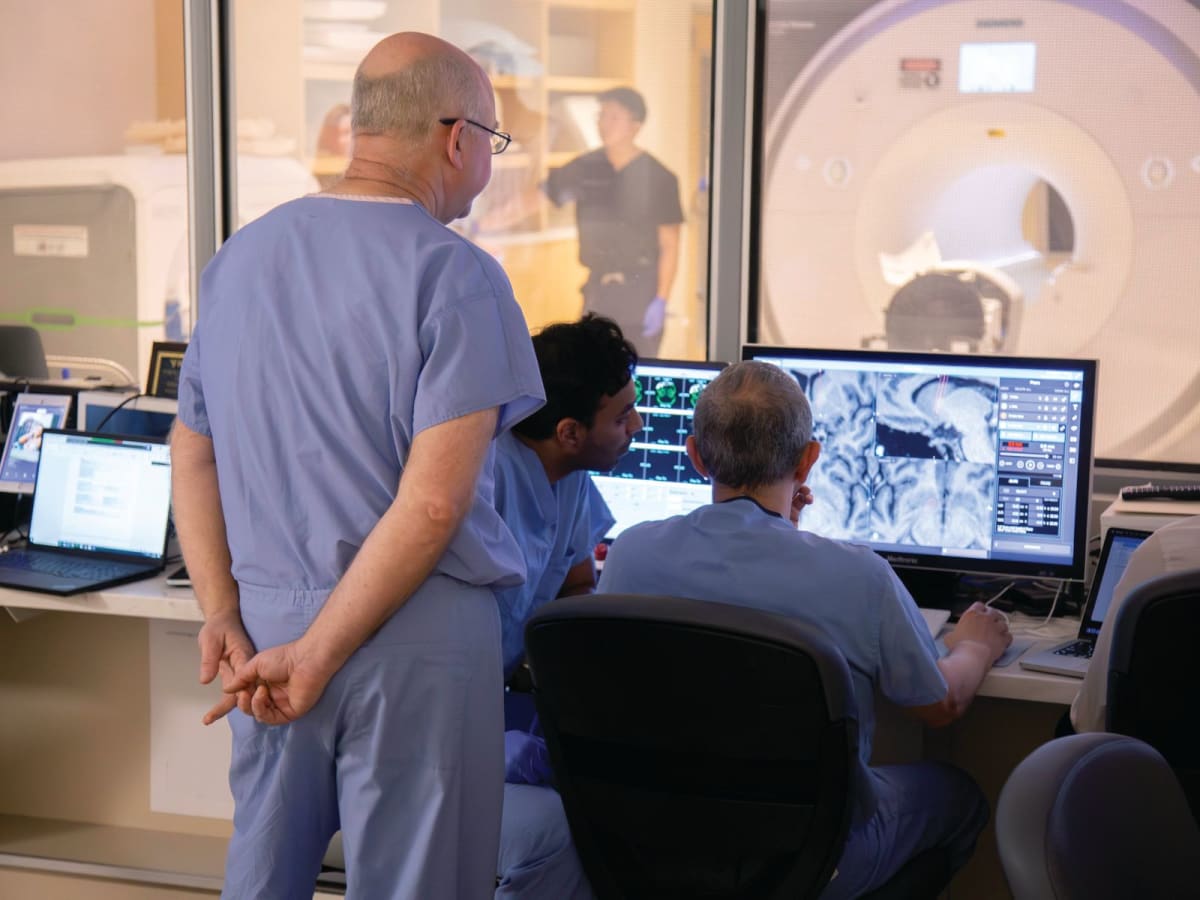
But ultrasound offered something revolutionary. The same brain regions could be treated without breaking the skin, drilling the skull, or touching delicate brain tissue. Patients could receive the 20-minute treatment and go home the same day.
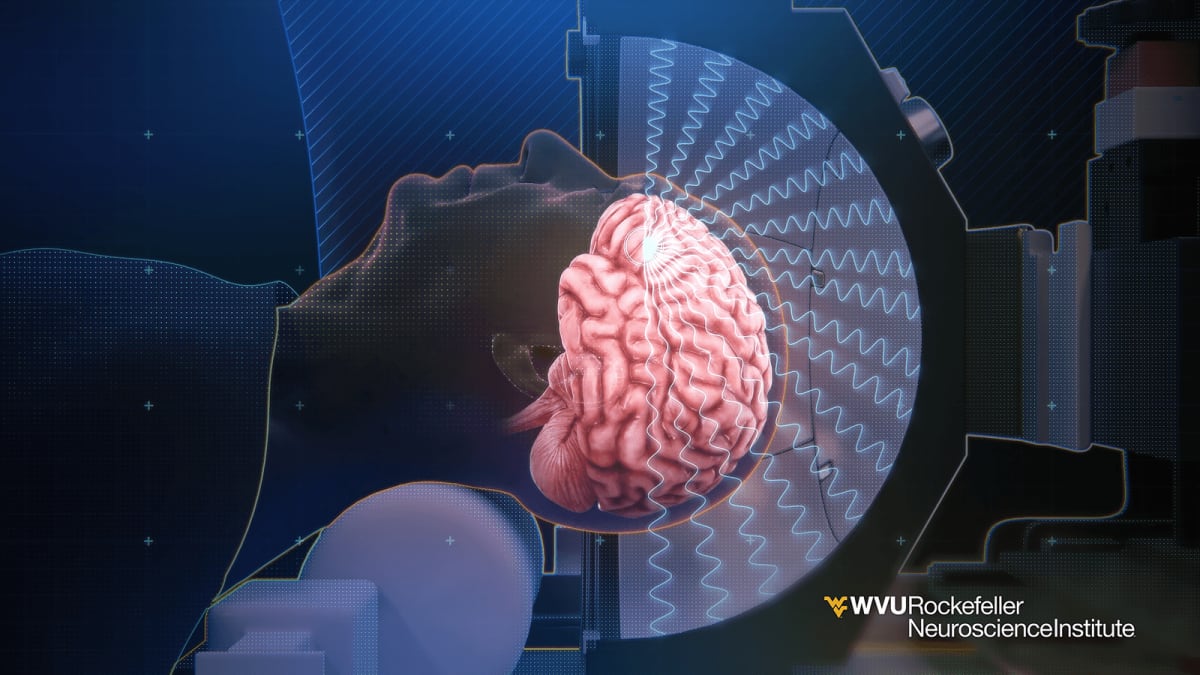
The technology works like a magnifying glass focusing sunlight. Modern focused ultrasound machines emit dozens of sound wave beams from different angles through the intact skull. Each individual beam is harmless as it passes through bone and tissue.
When the beams converge at a precise point deep in the brain, they reach maximum intensity with millimeter precision. At low intensity, these focused waves can modulate the brain's reward circuitry, the regions involved in addiction.
The Ripple Effect
This couldn't come at a more crucial time. Nearly 45 million Americans meet the criteria for substance use disorder. Though overdose deaths have declined for three years, nearly 70,000 Americans died from overdoses in 2025.
West Virginia, where Rezai chose to work despite colleagues warning him against it, has the highest overdose death rate in the country. He saw an opportunity to develop new treatments at the epicenter of the crisis.
The technology builds on decades of research. In the 1950s, brothers William and Francis Fry built the first focused ultrasound system that took up two entire rooms. They successfully treated Parkinson's tremors by destroying tiny portions of brain tissue, but the procedure required removing part of the skull and never gained widespread adoption.
Today's version is noninvasive, precise, and fast. Linda immediately knew she had to get Erin to West Virginia. She yelled for her teenage granddaughter to come watch the TV segment.
"Look at this doctor," she told Erin's daughter. "They're fixing people!" Linda's next challenge was finding Erin and convincing her to try the treatment, but for the first time in years, she had real hope.
More Images

Based on reporting by Wired
This story was written by BrightWire based on verified news reports.
Spread the positivity!
Share this good news with someone who needs it