South Africa and Japan Partner on Clean Energy Future
South Africa and Japan are joining forces to build hydrogen and ammonia technology that could help both nations move toward cleaner energy. The partnership includes training programs to prepare workers for green energy jobs.
Two nations separated by oceans are uniting around a shared vision for clean energy that could transform how millions of people power their lives.
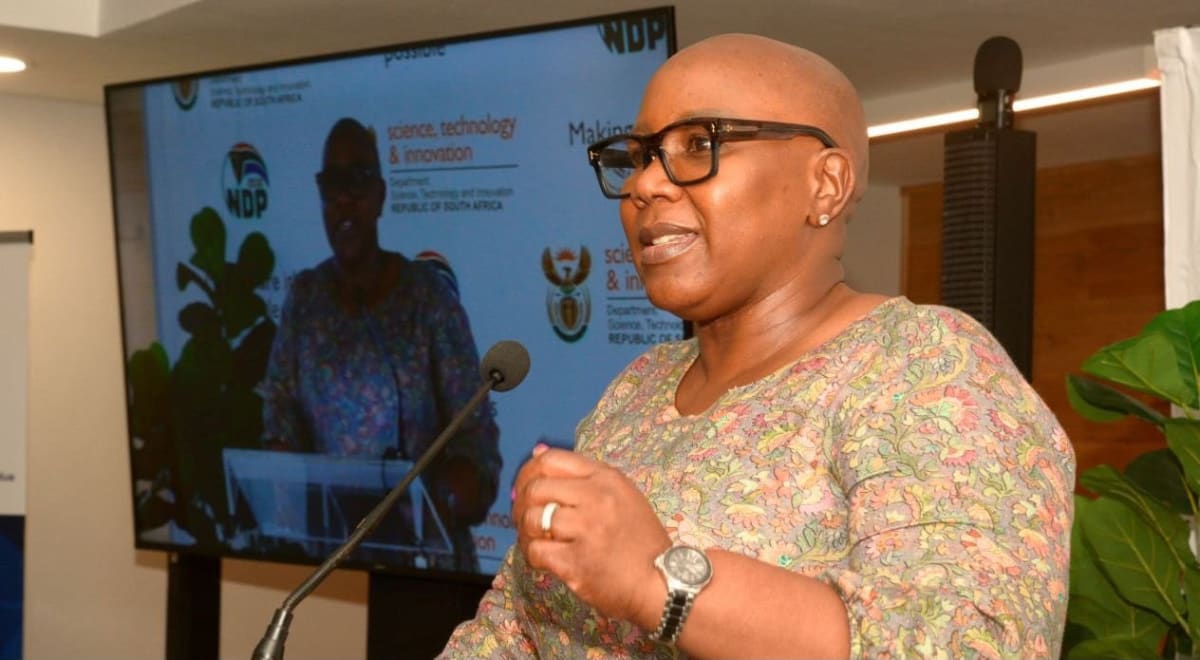
South Africa and Japan recently strengthened their partnership on hydrogen and ammonia technology, focusing on renewable energy solutions that reduce carbon emissions. The agreement emerged from a meeting between South Africa's Deputy Minister of Science, Technology and Innovation, Dr. Nomalungelo Gina, and Japan's Minister of Economy, Trade and Industry, Mr. Komori Takuo.
The collaboration goes beyond building infrastructure. Both countries committed to developing human talent through vocational colleges, universities, and programs specifically designed for previously disadvantaged communities in South Africa.
Hydrogen and ammonia represent promising alternatives to fossil fuels because they can store and transport clean energy efficiently. When produced using renewable sources like solar or wind power, they create virtually no carbon emissions.
The Ripple Effect
This partnership could spark change far beyond laboratory walls. Training programs at technical colleges will equip workers with skills for emerging green industries, creating new career paths in communities that need them most.
The collaboration also encourages both public and private sectors to invest in hydrogen and ammonia projects together. This shared responsibility model helps spread both the costs and benefits of transitioning to cleaner energy.
Dr. Gina emphasized that cooperation in research, innovation, and technology development allows both nations to contribute to sustainable energy transitions that include everyone. South Africa brings abundant renewable energy potential from its sunny climate, while Japan offers advanced technological expertise and industrial experience.
The partnership with the Institute of Energy Economics Japan signals ongoing dialogue and concrete action steps ahead. Both countries are moving from general commitments to specific projects that will develop real infrastructure and train actual workers.
As climate concerns grow worldwide, collaborations like this demonstrate that nations can work together on solutions rather than compete for limited resources. The future looks brighter when countries share knowledge and build capacity together.
Based on reporting by Regional: japan innovation technology (JP)
This story was written by BrightWire based on verified news reports.
Spread the positivity!
Share this good news with someone who needs it