%2Ffile%2Fattachments%2Forphans%2FGettyImages-2263201377_618550.jpg)
South Africa Chooses Digital Literacy Over Social Media Bans
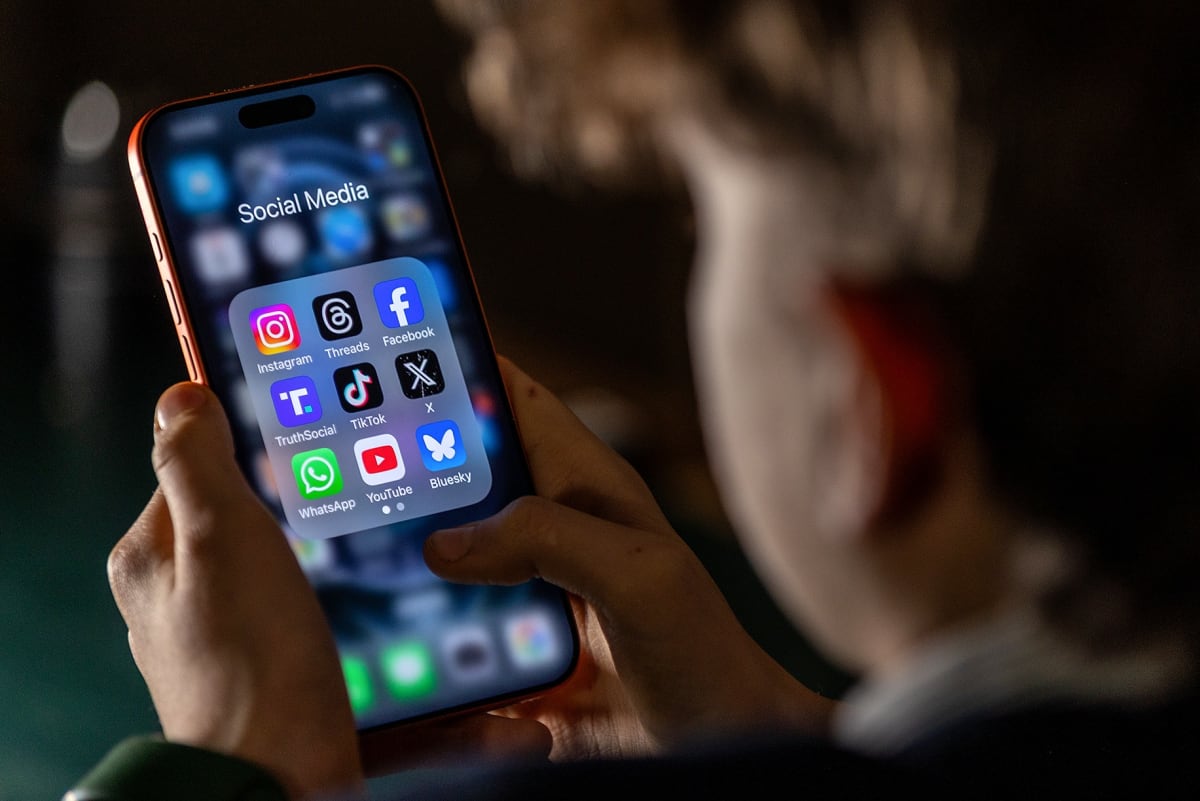
While other countries ban kids from social media, South Africa's Communications Minister is betting on education instead. Minister Solly Malatsi says teaching parents and children digital skills will protect kids better than age restrictions that don't work.
South Africa is charting its own path to protect children online, and it starts with empowering families rather than blocking apps.
Minister of Communications and Digital Technologies Solly Malatsi announced that South Africa won't follow countries like Australia and the UK in banning children under 16 from social media platforms. Instead, the country is doubling down on digital literacy programs for parents, teachers, and kids themselves.
"Platforms can't just be content with the level of traffic when that traffic may be leading to harm for the most vulnerable population on Earth, which is children," Malatsi told Daily Maverick. His concern isn't just philosophical. In the 2025/26 financial year alone, South Africa's Film and Publication Board analyzed over one million pieces of content and confirmed 9,250 instances of child sexual abuse material.
The minister's skepticism about age bans comes from watching them fail elsewhere. In Australia, kids are already bypassing restrictions by lying about their ages. Malatsi worries that imposing similar rules would create the illusion of protection without actually keeping children safe.
South Africa already has strong legal protections in place. The Cybercrimes Act penalizes sharing intimate images without consent and strictly punishes child exploitation. The Protection of Personal Information Act requires parental consent before platforms can collect children's data. The Film and Publications Amendment Act allows authorities to issue takedown notices for harmful content.
The challenge isn't missing laws. It's enforcement. Those 9,250 confirmed cases of child abuse material resulted in only 16 criminal prosecutions. Malatsi acknowledges this gap needs urgent attention alongside better platform accountability.
The Bright Side
South Africa's approach recognizes something important: technology isn't going anywhere, so families need tools to navigate it safely. By investing in digital literacy rather than blanket bans, the country is treating parents and educators as partners in protection rather than gatekeepers who need technology to do their job for them.
The minister's vision combines practical age verification linked to devices with widespread education programs that teach families how to spot dangers, report abuse through the Film and Publication Board's hotline (0800 148 148), and have honest conversations about online safety. It's about building long-term resilience rather than short-term fixes that kids can work around.
Teaching digital citizenship creates skills that last a lifetime, preparing young people to make smart choices online long after they turn 16.
More Images
%2Ffile%2Fdailymaverick%2Fwp-content%2Fuploads%2F2025%2F04%2FED_515156-1.jpg)
%2Ffile%2Fattachments%2Forphans%2FCC-DM-interview-3_965204.jpg)
Based on reporting by Daily Maverick
This story was written by BrightWire based on verified news reports.
Spread the positivity!
Share this good news with someone who needs it
%2Ffile%2Fattachments%2Forphans%2FPrincipals-burnoutappeal_881086.jpg)
%2Ffile%2Fdailymaverick%2Fwp-content%2Fuploads%2FDavid-Harrison1-1.jpg)