South Africa Homes Could Power Grid With Solar and EVs
South African households with rooftop solar and electric vehicles could sell excess clean energy back to the national grid, cutting costs while helping the country reach its 2050 carbon-neutral goal. The solution uses bidirectional meters and vehicle-to-grid devices already working in China, Japan, and Germany.
Imagine if your home's solar panels and electric car could do more than just power your life. They could help power an entire nation's shift away from coal.
South Africa faces a massive challenge. As the world's 15th largest carbon polluter, the country burns coal for most of its electricity and relies completely on oil for transportation. But researchers have found a surprisingly simple solution hiding in plain sight.
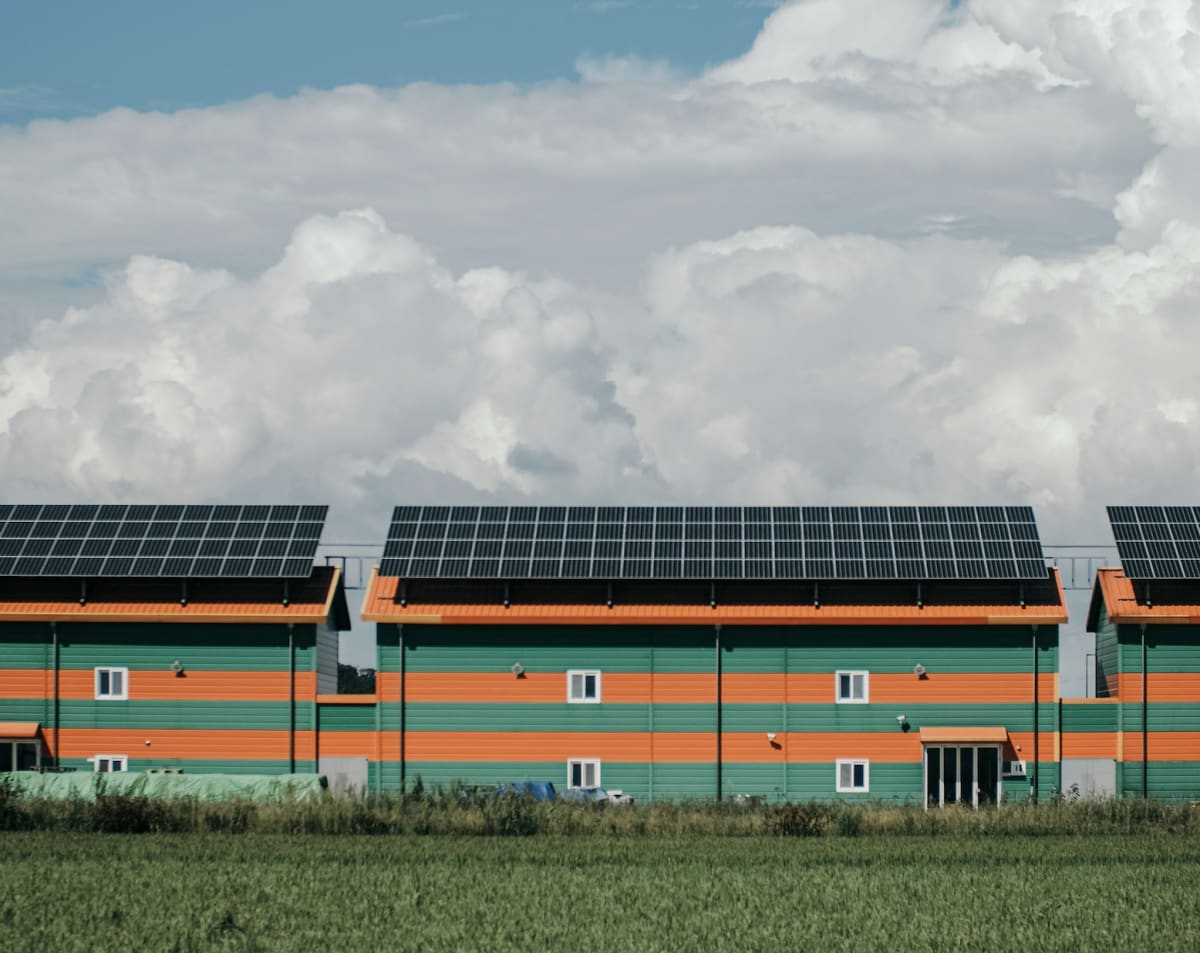
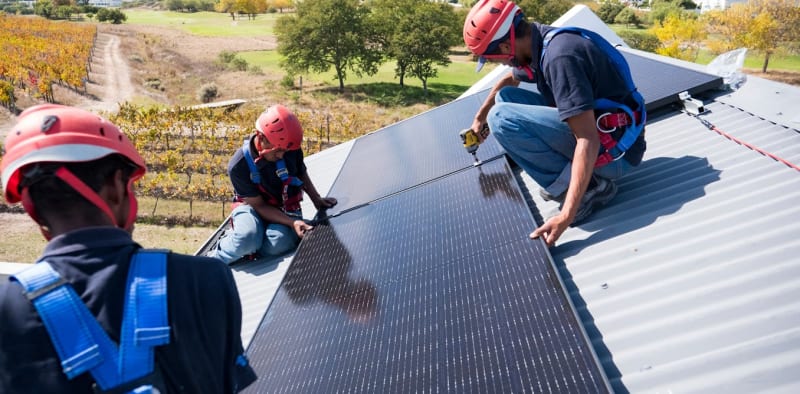
Rooftop solar systems on South African homes already generate 40% more energy than those households actually use. Right now, that excess clean energy just goes to waste. It's like having a rainwater tank that constantly overflows while your neighbors stay thirsty.
Engineer and technology specialist research shows two existing technologies could capture every drop of that wasted sunshine. First, bidirectional meters would let homeowners sell their extra solar power back to the grid. Second, vehicle-to-grid devices would turn electric car batteries into mobile power banks that store solar energy and feed it back when needed.
The math is compelling. Cape Town alone could generate $8.8 million yearly by buying excess solar from homes and reselling it to the grid. That's a 3% profit boost while supporting cleaner energy for everyone.
For electric vehicle owners, the benefits get even better. They could charge their cars during peak sunshine hours between 10am and 4pm using free excess solar energy. Then during evening peak demand, they could power their homes or sell energy back to the grid while keeping enough charge for their morning commute.
This isn't science fiction. Commercial projects using these exact systems already operate successfully in China, Japan, and Germany.
The Ripple Effect
The beauty of this approach is how it transforms obstacles into opportunities. Yes, solar panels and electric vehicles remain too expensive for most South African households right now. But by making these technologies financially rewarding instead of just environmentally friendly, adoption becomes more attractive.
Homeowners who manage their energy well could essentially eliminate their electricity bills. Workplace charging stations could make the system work for commuters too. Meanwhile, every participating household reduces the greenhouse gases driving climate change while strengthening an electricity grid that has struggled with reliability.
The country's household energy use currently contributes up to 40% of total emissions. This two-technology solution tackles that massive problem while creating income opportunities for homeowners and municipalities alike. It turns scattered individual efforts into a synchronized national movement toward South Africa's 2050 net-zero commitment.
South Africa has the sunshine and the path forward to transform homes from energy consumers into clean power producers for an entire nation.
Based on reporting by Google News - Clean Energy
This story was written by BrightWire based on verified news reports.
Spread the positivity!
Share this good news with someone who needs it