South Africa Invests $74M to Turn Research Into Real Jobs
South Africa just launched a bold new plan to rescue billions in research from dying in labs and transform it into thriving businesses and jobs. The country's innovation agency is betting big on AI, electric vehicles, and women-led funds to spark an economic transformation.
Every year, South Africa invests $1.8 billion in groundbreaking research that never makes it out of the lab. Now the government is launching an ambitious rescue mission to turn that lost potential into real companies, jobs, and industries.
The Technology Innovation Agency unveiled TIA 2.0 this week, a complete overhaul designed to bridge what innovators call the "Valley of Death." That's the frustrating gap where promising discoveries fail to reach the market and create impact.
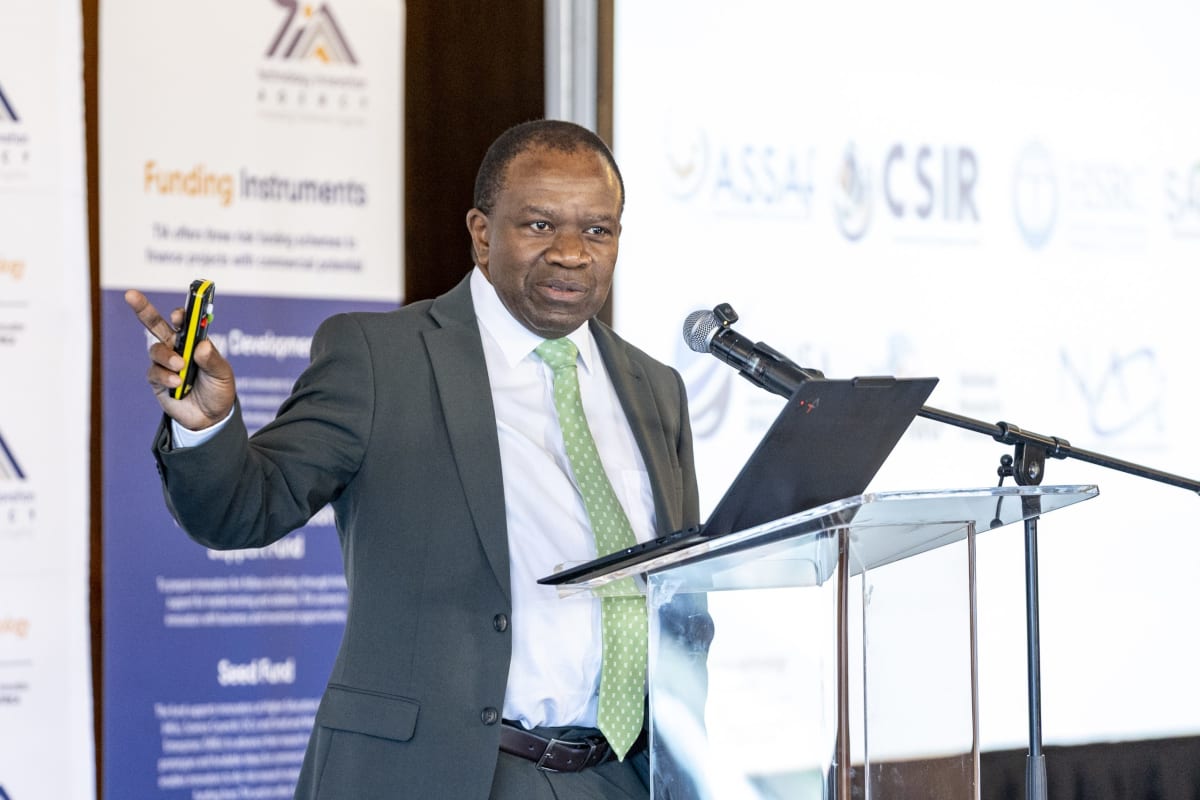
"South Africa is spending about $1.8 billion on research and development every year," said TIA chief executive Titus Mathe. "Unfortunately, much of this investment goes into what is called the Valley of Death."
The transformation comes with serious financial backing. TIA just received a windfall of $73 million from a biotech investment it made two decades ago, when it put $1.4 million into Kapa Biosystems. That success story is now funding the next generation of innovation.
The agency is shifting from funding scattered individual projects to backing large-scale programs in strategic sectors. AI, electric vehicles, climate technology, and critical minerals are all getting major support.
A key focus is empowering underrepresented investors who understand underserved entrepreneurs. TIA earmarked $27.8 million specifically for black-owned and women-led venture capital funds that struggle to access traditional institutional money.
Mamor Capital, a women-led investment firm, received $2.3 million after a grueling three-year fundraising journey. Founder Mamokete Ramathe said the backing helped them reach a critical milestone to support entrepreneurs tackling digital exclusion.
"We believe technology-enabled businesses have the potential not only to create commercial value, but also opportunities for millions of South Africans that continue to be left outside of the digital economy," she said.
The program is also investing $3.6 million into sovereign AI initiatives. That includes Mzansi Mindz, a locally developed large language model designed to reduce South Africa's dependence on foreign AI platforms.
"AI is here to stay," Mathe said. "We have to embrace it, but we cannot be left behind."
The Ripple Effect
This isn't just about saving research dollars. By deliberately funding women and black investors, TIA is reshaping who gets to decide which innovations succeed. These fund managers often work closest to entrepreneurs in overlooked communities, meaning breakthrough technologies could come from unexpected places.
The approach recognizes that innovation doesn't just need money. It needs champions who understand different markets and can spot potential where traditional investors see risk.
When research escapes the Valley of Death, it creates manufacturing jobs, attracts global investment, and builds industries that didn't exist before. One successful biotech company already turned a $1.4 million bet into $73 million, proving the model works when given time and support.
South Africa is betting that its next wave of economic growth won't come from mining or agriculture alone, but from the lab discoveries currently gathering dust on university shelves.
Based on reporting by TechCabal
This story was written by BrightWire based on verified news reports.
Spread the positivity!
Share this good news with someone who needs it

%2Ffile%2Fattachments%2Forphans%2FMLJoburg-91_220988.jpg)
%2Ffile%2Fattachments%2Forphans%2FIMG_20260823_131033_256493.jpg)