South African Mom Puts Two Daughters Through College With Conservation Work
Dudu Ngcobo is sending both her daughters to university by helping restore wildlife habitat in South Africa. Her story shows how conservation can create real opportunities for families when communities are included from the start.
A mother in rural South Africa is putting two daughters through college by clearing invasive plants from a wildlife reserve, proving that conservation can transform lives when local communities are part of the solution.
Dudu Ngcobo works as an herbicide controller for The Babanango Foundation, removing invasive plants that threaten the landscape around Babanango Game Reserve. The steady income has allowed her to support both daughters through higher education. Noncebo is studying Tourism at the University of South Africa, while Phindile is in her third year of Accounting at the University of Johannesburg.
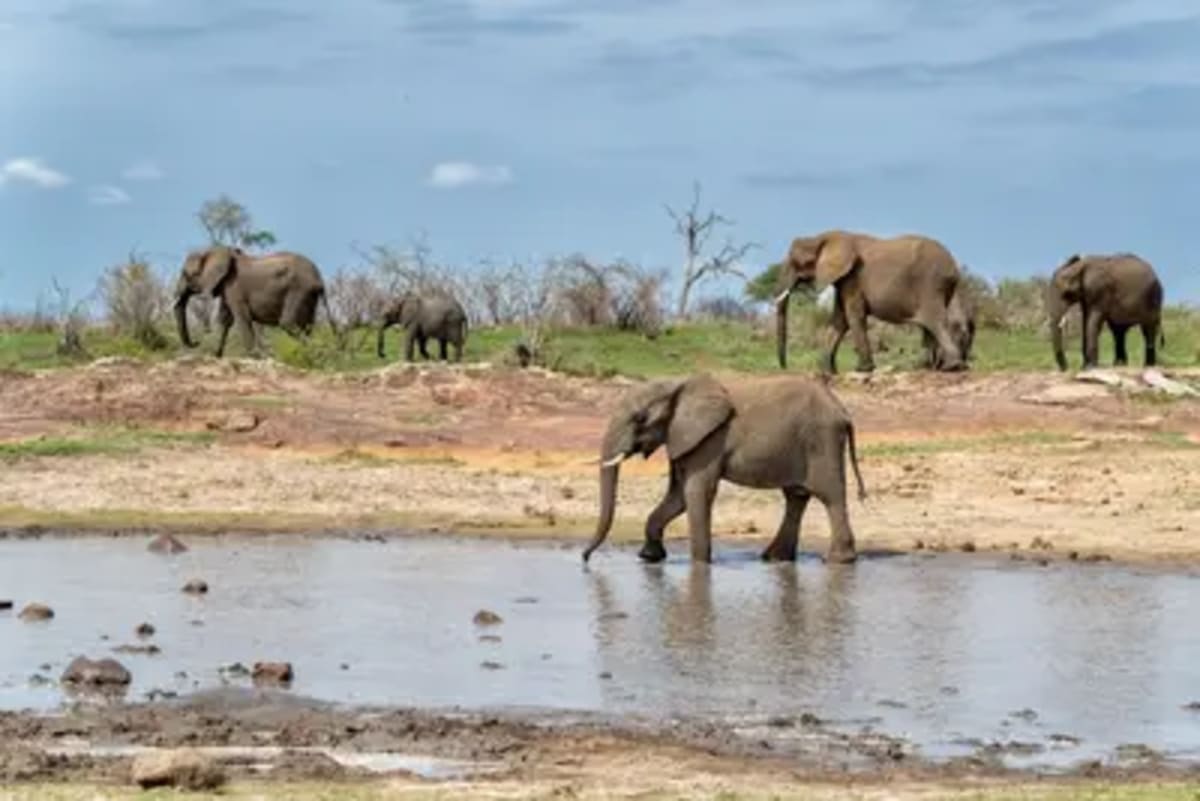
The 21,000-hectare Babanango Game Reserve sits on mostly communally owned land. Over eight years, more than 4,000 animals including black rhinos and elephants have returned to land that had lost its wildlife to overgrazing.
But the project's founders decided wildlife numbers alone wouldn't define success. They created The Babanango Foundation to work alongside the reserve, focusing on jobs, skills, and services for the three communities who own the land.
The results speak for themselves. The reserve has created 200 direct jobs, while the Foundation employs 23 people like Dudu for habitat restoration work. Beyond employment, 17 new solar-powered water systems now serve more than 5,000 households.
The Ripple Effect
When Dudu earns income from conservation work, that money flows into her household and her daughters' education. When those daughters graduate, they'll bring new skills back to their community. When neighbors see this pathway to opportunity, conservation stops feeling like something imposed from outside and starts becoming part of their own future.
Foundation leaders Thina Nyathi and Dr. Jorg Walter say the model isn't about making conservation transactional. It's about recognizing that people are part of landscapes, especially in rural South Africa where communities live alongside natural treasures while facing limited economic opportunity.
The approach challenges how conservation projects measure success. Hectares protected and animals reintroduced still matter. But so do questions like whether young people are gaining opportunities, whether families can access essential services, and whether communities see these landscapes as part of their future.
Dudu's work clearing invasive plants helps elephants and rhinos thrive in restored habitat, but it also helps her daughters build careers that seemed out of reach just years ago.
Based on reporting by Google News - Conservation Success
This story was written by BrightWire based on verified news reports.
Spread the positivity!
Share this good news with someone who needs it