South African Pepper Bark Tree Recovers from Near-Extinction
A medicinal tree once stripped to near-extinction has bounced back from Endangered to Vulnerable status in South Africa. The recovery proves targeted conservation that works with communities can reverse species decline.
After years of relentless harvesting pushed it to the edge of disappearance, South Africa's pepper bark tree is making a remarkable comeback that offers hope for hundreds of other threatened plants.
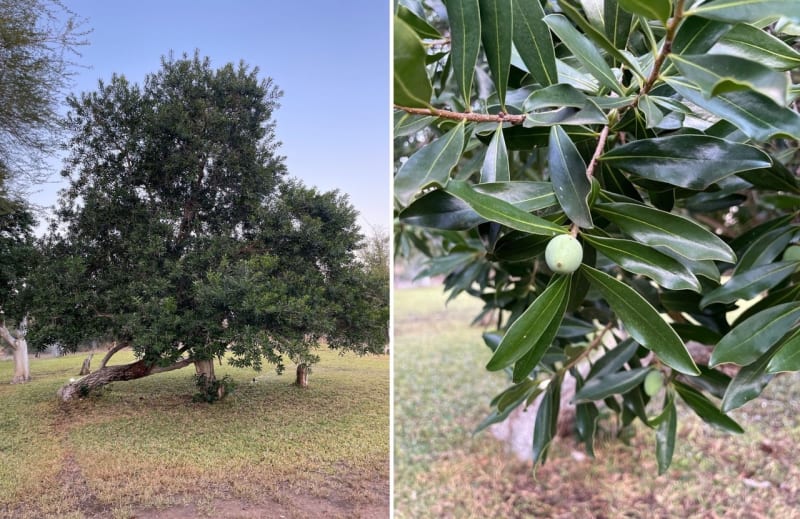
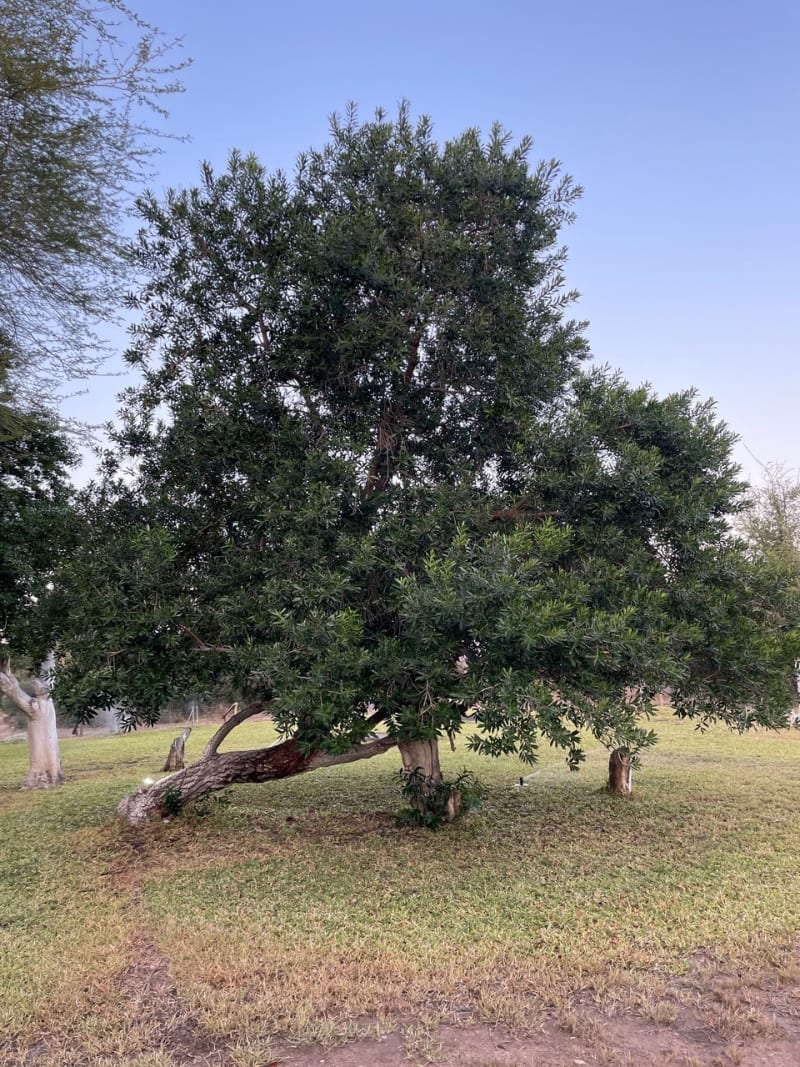
The pepper bark tree, known scientifically as Warburgia salutaris, had been stripped from wild areas so heavily for traditional medicine that entire populations collapsed. By the time conservationists intervened, the species had earned an Endangered listing on South Africa's Red List.
Today, the South African National Biodiversity Institute (SANBI) announced the tree's status has improved to Vulnerable. The upgrade represents years of coordinated effort released as part of the country's 2025 National Biodiversity Assessment ahead of Reverse the Red Day on February 7.
The recovery strategy focused on solving the root problem rather than simply blocking access to remaining trees. Conservationists from the Endangered Wildlife Trust partnered with forestry company Sappi, provincial authorities, and botanical institutions to supply cultivated pepper bark plants directly to traditional healers and growers.
This approach reduced pressure on wild populations while respecting the cultural importance of the species. Communities who depended on the tree became part of the solution instead of being treated as the problem.
South Africa hosts extraordinary botanical diversity, with two-thirds of its plant species found nowhere else on Earth. That uniqueness comes with sobering responsibility: roughly 17% of local plant species currently face extinction risk, with more than 3,000 plants considered threatened.
The Ripple Effect
The pepper bark recovery demonstrates what's possible when conservation works with people instead of against them. Nearly 300 Critically Endangered and Endangered plant species in South Africa still need similar urgent intervention.
The lessons from this success story apply broadly: habitat restoration, invasive species management, and reducing unsustainable harvesting can all help reverse decline. Different species need different approaches, but action consistently beats inaction.
Healthy plant populations create cascading benefits that extend far beyond individual species. They support pollinators, stabilize soil, regulate water flows, and strengthen entire ecosystems that other wildlife depends on.
For many South African communities, threatened plants also support traditional practices and livelihoods. Protecting these species means protecting cultural heritage and economic sustainability simultaneously.
The pepper bark's journey from near-disappearance to recovery carries a powerful message: decline doesn't have to mean forever.
More Images

Based on reporting by Google News - Endangered Species Recovery
This story was written by BrightWire based on verified news reports.
Spread the positivity!
Share this good news with someone who needs it